





More Than Just the Music
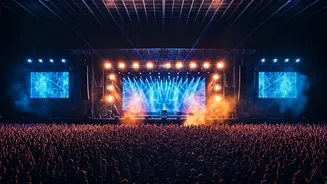
Across the United States, traveling for a concert is a familiar ritual—think of the Beyhive descending on a city or Deadheads following their favorite band for decades. Now, a similar phenomenon is exploding in India, but with its own distinct cultural
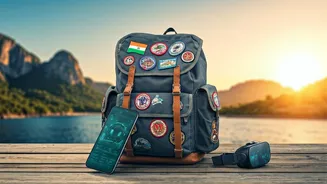
flavor. For India's massive youth population, a generation raised on global streaming services and social media, 'gig-tripping' has become a defining cultural activity. It’s less about just seeing a favorite artist and more about the entire experience: the journey with friends, the freedom from parental oversight, and the creation of a shared identity. It represents a powerful form of self-expression and independence, a weekend-long escape that is meticulously documented and shared online, becoming a status symbol in its own right.
The Post-Pandemic Perfect Storm
So, why now? The trend is being fueled by a perfect storm of economic and social factors. First, India boasts one of the world's youngest populations, with over 65% of its people under 35. This demographic dividend comes with a growing middle class with more disposable income than ever before. After two years of pandemic-induced lockdowns, there's a palpable, pent-up demand for live, communal experiences. This 'revenge spending' isn't just on material goods but on memories and social connection. Furthermore, improved infrastructure, including better flight connectivity and a proliferation of budget-friendly hotels and hostels, has made cross-country travel more accessible for young people on a budget. Booking a trip from Delhi to a festival in Goa is no longer a logistical nightmare but a few clicks on an app.
From Global Brands to Local Heroes
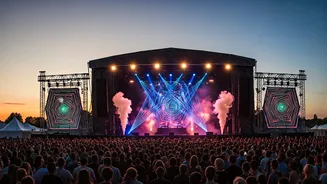
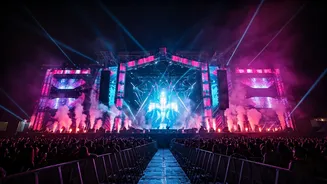
The arrival of global music festival brands has acted as a massive catalyst. The launch of Lollapalooza in Mumbai in 2023 was a watershed moment, signaling India's arrival as a major stop on the international touring circuit. It joined established homegrown giants like the multi-city NH7 Weekender (often called India's 'happiest music festival') and the massive electronic dance music festival Sunburn in Goa. These events attract major international headliners like The Strokes, Bon Iver, and Ed Sheeran, who are guaranteed to draw crowds from every corner of the country. But it's not just about foreign acts. The festivals also serve as a crucial platform for a burgeoning Indian independent music scene, giving local artists a massive stage and helping fans discover new sounds from their own backyard.
An Engine for Local Economies
The economic ripple effect of this trend is significant. It's not just ticket sellers and airlines who benefit. Local economies in host cities and even smaller towns experience a massive influx of cash. Hotels are booked solid, local restaurants and bars are packed, and transportation services see a huge surge in demand. Travel companies are taking note, offering curated 'festival tourism' packages that bundle tickets, transport, and accommodation. This creates a symbiotic relationship: the festivals draw the tourists, and the tourism infrastructure makes it easier for people to attend, creating a self-sustaining cycle of growth. For cities looking to boost their profile and their bottom line, hosting a major music festival has become a new, powerful tool for economic development.