




Moving Beyond the Six-Pack
The annual ritual of getting 'summer ready' used to be a purely physical pursuit. It was about fitting into last year’s shorts, achieving a certain look, and posting the evidence online. While physical health remains important, the collective conversation
around wellness is maturing. We’re finally acknowledging that looking good and feeling good are not always the same thing. After years of relentless pressure, burnout, and global uncertainty, many are realizing that the strength they truly need can’t be measured in biceps or a flat stomach. It’s the strength to navigate stress, adapt to change, and bounce back from setbacks—in other words, resilience.
What Is Resilience, Really?
Resilience isn't about being an unfeeling rock or suppressing your emotions. It’s not about avoiding hardship, but moving through it without losing your sense of self. The American Psychological Association defines it as the process and outcome of successfully adapting to difficult or challenging life experiences. Think of it like a tree that bends in a storm but doesn’t break. A resilient person acknowledges stress, feels the disappointment or frustration, and then finds a way to recalibrate and move forward. It’s an active, dynamic process of self-regulation, problem-solving, and drawing on internal and external resources to stay afloat when life gets choppy.
Why This Goal, and Why Now?
The pivot toward resilience is a direct response to our times. The lingering effects of the pandemic, coupled with economic anxiety and an always-on work culture, have left many people feeling depleted. The old wellness playbook—a green juice, a spin class—can feel like putting a small bandage on a gaping wound. We’re collectively experiencing a form of 'post-adversity growth,' seeking tools that offer genuine, sustainable support for our mental and emotional well-being. The focus on resilience is a cultural admission that life is hard, and that the ultimate wellness goal isn’t to create a perfect, stress-free existence, but to build the fortitude to handle the one we have.
Practice Meaningful Self-Compassion
The first step toward building resilience isn't discipline; it's compassion. For too long, we’ve been told to 'push through' and 'be tough.' Resilience culture flips that script. It starts with treating yourself with the same kindness you’d offer a friend who is struggling. When you make a mistake or face a setback, try acknowledging the feeling without judgment. Instead of saying, 'I’m such a failure,' try, 'That was a difficult situation, and I did the best I could.' This simple shift from self-criticism to self-support is the foundation upon which emotional strength is built. It refuels you rather than depletes you, making it easier to get back up.
Strengthen Your Social Fabric
Resilience is not a solo sport. One of the most significant predictors of our ability to cope with stress is the strength of our social connections. This summer, make a conscious effort to invest in your community. That doesn’t have to mean attending big parties. It can be as simple as scheduling a weekly phone call with a friend, joining a local walking group, or having a meaningful conversation with a neighbor. These connections create a crucial support system, reminding us that we are not alone in our struggles. They provide perspective, encouragement, and a safety net that makes taking risks and facing challenges feel less daunting.
Find Joy in 'Good Enough' Movement
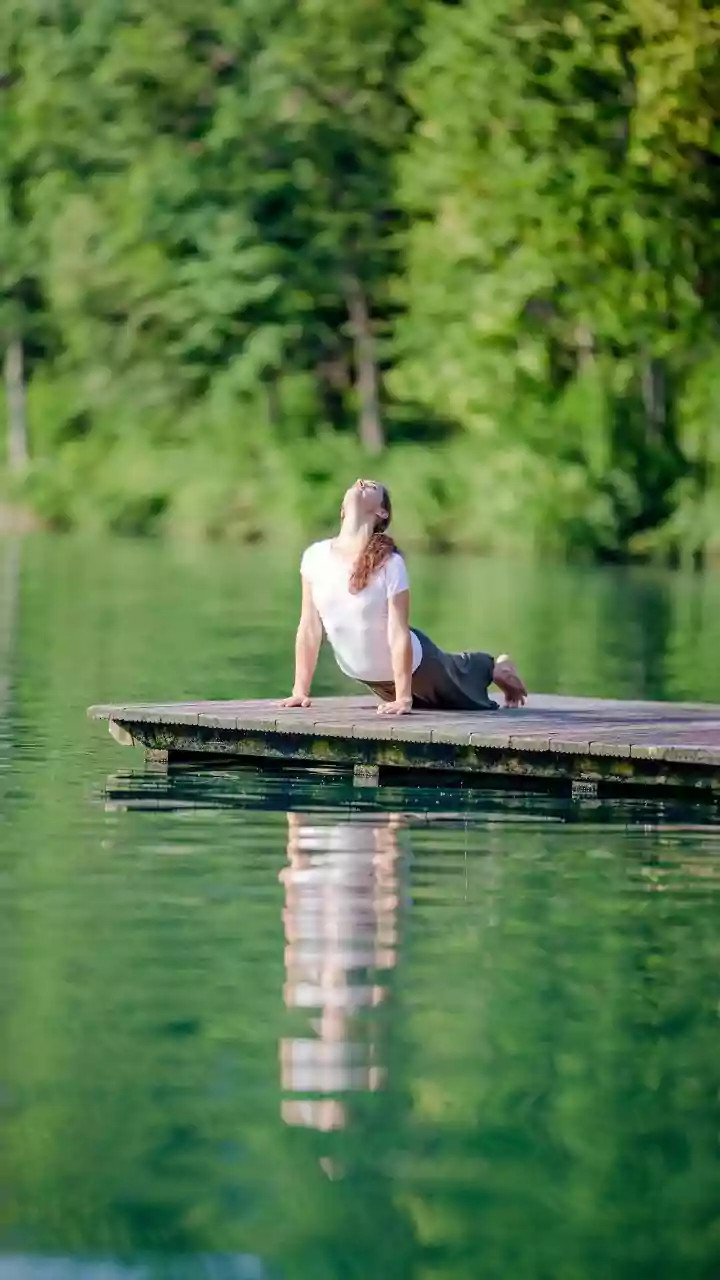
Exercise is a powerful tool for resilience, but not when it’s framed as punishment. Let go of the 'no pain, no gain' mentality. Instead of forcing yourself into grueling workouts you dread, explore movement that actually feels good. It could be a gentle swim, a hike with a great view, dancing in your living room, or a walk in the park while listening to a podcast. The goal is consistency and mental benefit, not peak performance. When you decouple exercise from aesthetics and reconnect it with stress relief and joy, it becomes a sustainable practice that builds both physical and mental resilience for the long haul.