




Pets as People: The 'Humanization' Trend
For previous generations, a dog was a dog. For a significant portion of Gen Z, a dog is a 'fur baby,' a child, or a non-human person who deserves the best. This psychological shift, known as 'pet humanization,' is the single biggest driver behind the premiumization
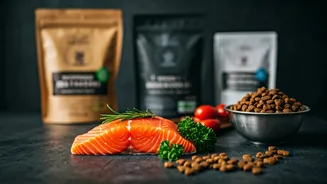
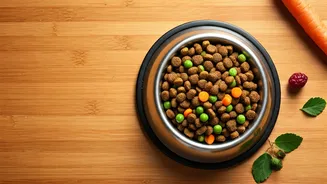
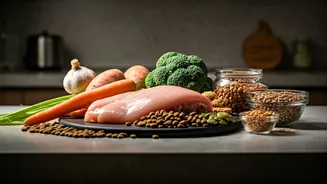
of the pet market. When you view your pet as a member of the family, their needs are elevated. You don't just feed them; you nourish them. This mindset pushes owners to scrutinize ingredient labels on pet food with the same intensity they apply to their own groceries. The question is no longer 'Is it edible?' but 'Is it optimal?' This explains the move away from generic kibble and towards formulas with recognizable, whole-food ingredients, mirroring the 'clean eating' trends in human nutrition.
Wellness Culture Extends to All Species
Gen Z grew up in the age of wellness. They are digitally native to concepts like gut health, anti-inflammatory diets, and sourcing non-GMO or organic foods for themselves. It’s only natural that they would extend this value system to their pets. If they believe processed foods are detrimental to their own long-term health, they logically conclude the same for their four-legged companions. This creates a direct pathway to seeking out pet foods that advertise 'human-grade' ingredients, limited-ingredient diets for sensitive stomachs, and a lack of fillers like corn, wheat, and soy. The investment in organic farming isn't just about farming; it's about a belief that a less-processed, pesticide-free diet leads to a longer, healthier, and happier life for their pet.
A Demand for Transparency and Ethics
More than any generation before them, Gen Z demands transparency and ethical behavior from the brands they support. This is not limited to fashion or technology; it's a core consumer principle that applies everywhere, including the pet aisle. They want to know where the chicken in their dog's food came from. Was it raised humanely? Is the company's packaging sustainable? Are their supply chains ethical? 'Organic' is often a shorthand for a basket of these values. While not a perfect system, an organic certification from the USDA implies a set of standards for animal welfare, land management, and the absence of synthetic pesticides and fertilizers. For a Gen Z consumer weighing two options, a brand that can tell a clear, ethical story about its sourcing—often involving organic farms—has a powerful advantage.
The Influence of the Digital Pet Aisle
Social media has created a new standard for pet care. Instagram and TikTok are filled with 'petfluencers' showcasing a highly curated version of pet ownership. This digital landscape is saturated with aesthetically pleasing images of beautifully packaged, artisan-style pet foods, fresh-cooked meals, and supplements that promise a glossier coat or better digestion. While not every Gen Z owner is cooking bespoke meals for their corgi, this content normalizes a much higher level of investment and care. It creates social proof that spending more on high-quality, organic-adjacent products is what a 'good' pet parent does. This digital exposure acts as both an educational tool and a subtle form of peer pressure, steering purchasing decisions towards the premium end of the market.