





The Search for the Unspoiled Trail
For decades, the word “Himalayas” conjured images of Mount Everest or the well-trodden circuits around Annapurna. These are epic, life-changing journeys, but they have also become victims of their own success, complete with traffic jams of trekkers and
a commercial infrastructure that can sometimes overshadow the wilderness. This has sent a certain kind of traveler—the one who seeks quiet forests, authentic cultural encounters, and the simple sound of their boots on a dirt path—in search of an alternative. They're finding it in Tirthan Valley, a secluded corner of India’s Himachal Pradesh state that offers all the Himalayan grandeur with none of the overwhelming crowds.
Gateway to a UNESCO Kingdom
Tirthan Valley isn’t just another pretty mountain pass; it's the designated eco-zone and primary gateway to the Great Himalayan National Park (GHNP), a UNESCO World Heritage Site. This designation is key to its magic. While the core of the park is a protected wilderness requiring special permits, the valley itself is an accessible buffer zone where nature and humanity coexist harmoniously. The crystal-clear Tirthan River, teeming with trout, carves its way through the landscape, flanked by traditional villages and terraced fields that climb the hillsides. Being tied to a UNESCO site ensures the region is managed with a deep respect for conservation, making it a model for sustainable tourism. It feels less like a tourist destination and more like a living, breathing ecosystem you’re privileged to visit.
A Forest Hiker’s Paradise
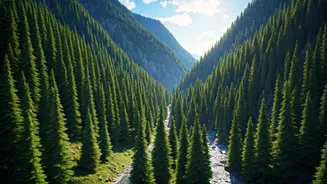
The headline gets it right: this is a place for *forest* hikers. While snow-capped peaks loom in the distance, the immediate experience is one of deep immersion in magnificent woodlands. Trails wind through dense groves of deodar cedar, blue pine, and oak, with the forest floor carpeted in ferns and wildflowers. The air is heavy with the scent of pine and damp earth. Treks range from gentle day hikes between picturesque villages like Gushaini, Nagini, and Banjar, to more challenging multi-day expeditions that lead to high-altitude meadows and glacial lakes deep within the park’s borders. Popular routes like the trek to Serloskar Lake or the Jalori Pass crossing offer a perfect blend of forest paths, alpine views, and a rewarding sense of accomplishment without the extreme altitudes that demand months of acclimatization.
More Than Just a Walk in the Woods
What truly sets Tirthan Valley apart is that the experience doesn't end when the hike is over. This isn't a place of large, impersonal hotels. The local community is the heart of the valley's tourism. Accommodation is primarily in charming, family-run homestays, many built in the traditional Kath-Kuni style of stacked stone and timber. Staying in one of these homes means sharing meals cooked with locally grown ingredients, listening to stories from your hosts, and gaining a genuine insight into the rhythms of mountain life. Beyond hiking, the valley offers world-class trout fishing (introduced by the British in the early 20th century), birdwatching (the GHNP is home to over 200 species), and the simple pleasure of finding a smooth boulder by the river and doing absolutely nothing at all.