




Welcome to the Real Tiger King
Forget the sensationalism of a Netflix docuseries. In the sprawling, sun-drenched landscapes of Rajasthan’s Ranthambhore National Park, a real-life, unscripted drama unfolds every single day. This isn’t just wildlife viewing; for a growing number of international
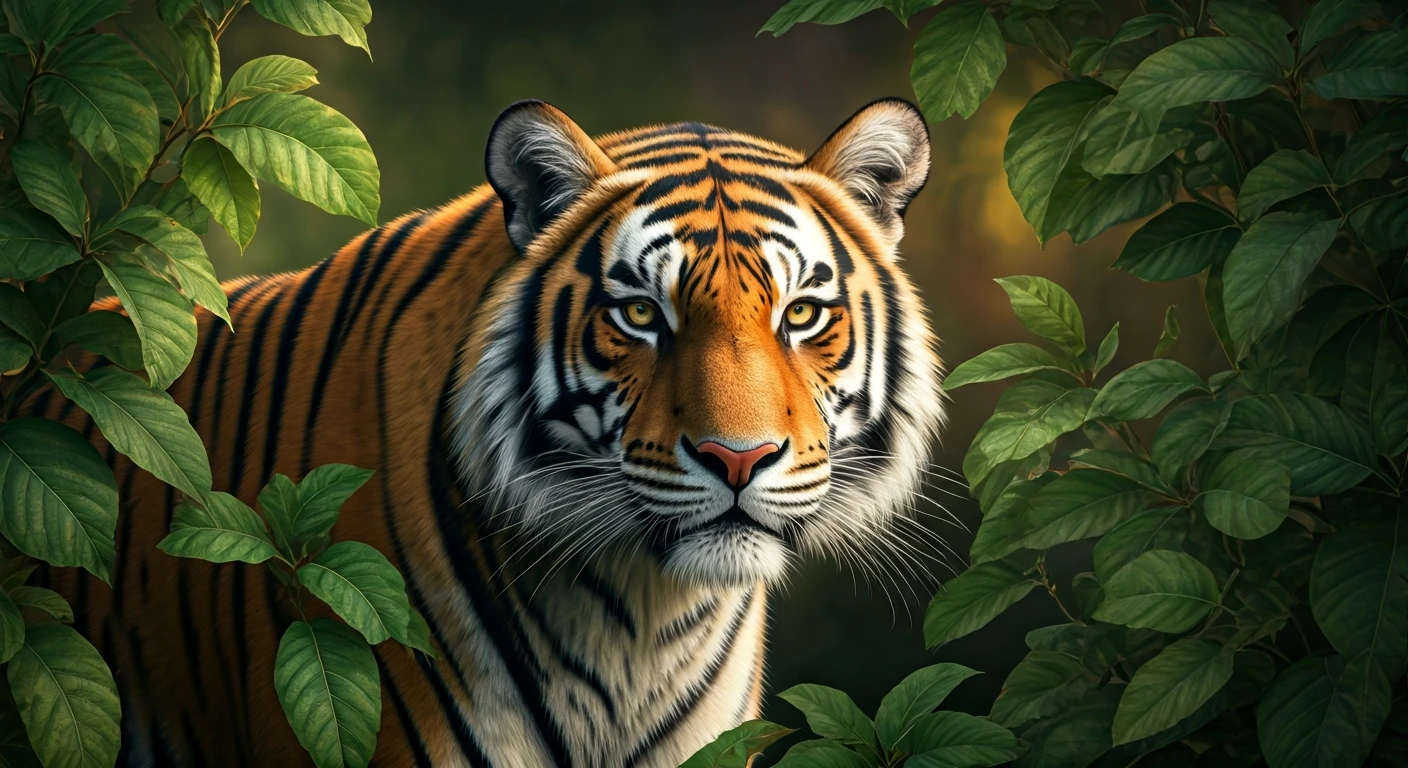
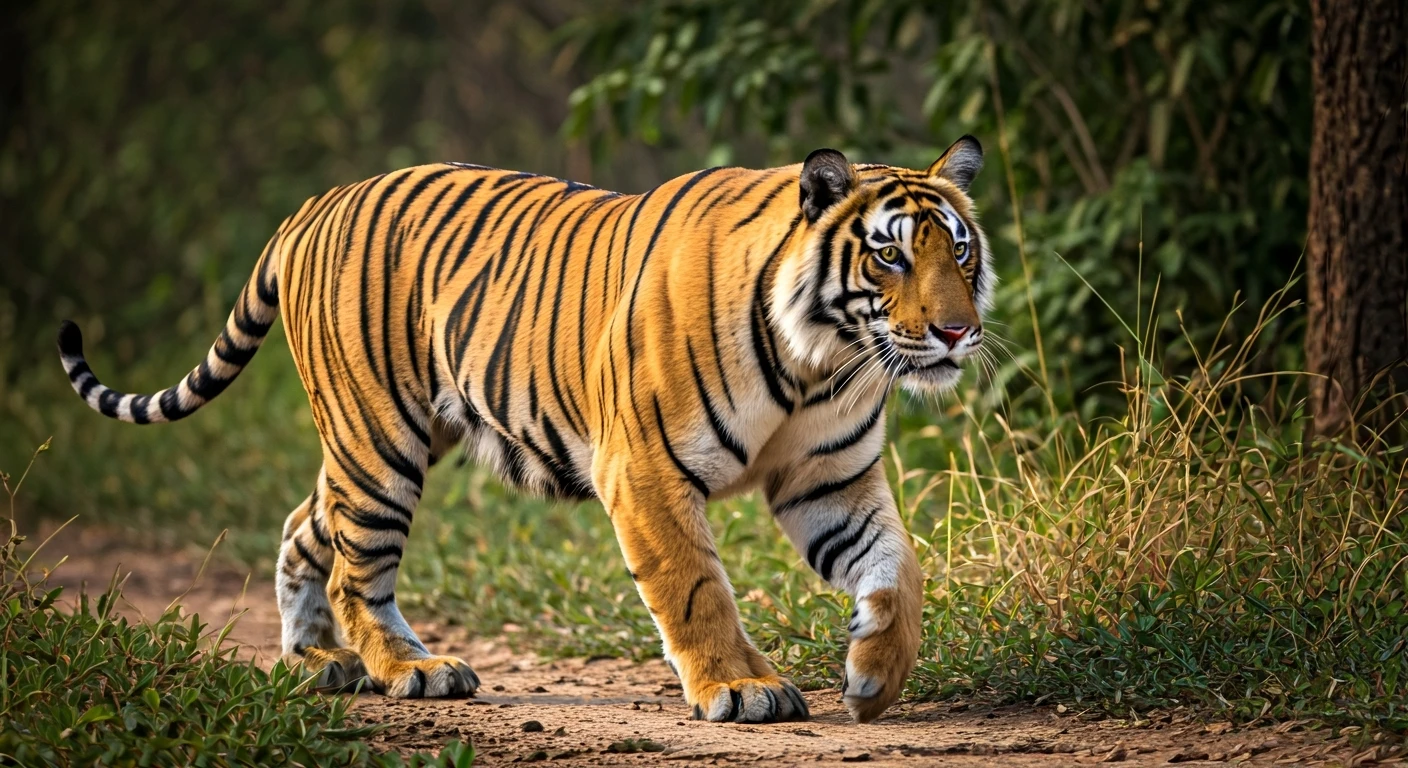
and domestic travelers, it’s a subscription to a live-action soap opera, and the stars are Bengal tigers. These magnificent predators aren’t anonymous beasts. Here, they are celebrities with names, lineages, and territories tracked with the same fervor sports fans follow their favorite teams. Guides and seasoned visitors don’t talk about “a tiger”; they talk about Arrowhead (T-84), a formidable tigress, or her ambitious daughters, or the young male attempting to carve out his own kingdom. Each safari drive is a new episode, a chance to witness a territorial dispute, a tender moment between a mother and her cubs, or a dramatic hunt in the golden light.
The Royal Cast of Characters
The stories are what draw people in. Ranthambhore's tiger population is essentially a multi-generational saga. The park’s most famous resident was the legendary Machli (T-16), the “Queen of the Lakes,” who lived to an astonishing 19 years old, famously fought crocodiles, and single-handedly repopulated huge swathes of the park. Her death in 2016 was mourned like that of royalty. Her legacy lives on through her descendants, creating a complex web of relationships. Today, the drama might revolve around one of her granddaughters, like the famous Arrowhead, named for a mark on her flank. Her own daughters, now grown, are vying for territory, leading to tense standoffs and dramatic separations that guides narrate with Shakespearean gravity. Visitors return year after year, not just for a sighting, but to follow the latest chapter in the lives of tigers they feel they’ve come to know. Who controls the best hunting grounds? Which cubs survived the monsoon? The answers are delivered via a network of guides whose radios crackle with urgent updates across the park's designated zones.
The Audience in the Arena
The experience on the ground is a fascinating blend of ancient nature and modern technology. A typical safari involves a convoy of rugged jeeps, known as Gypsys, and larger canters filled with eager tourists. Binoculars are a given, but now they’re accompanied by massive telephoto lenses and smartphones ready to upload the latest sighting to Instagram. A tiger sighting is no longer just a personal memory; it’s social currency. This desire to capture the perfect shot and follow the narrative has transformed the safari. There’s a palpable sense of community and competition among the vehicles. Guides, who are local heroes with an encyclopedic knowledge of the park’s inhabitants and geography, become storytellers. They don’t just find the tiger; they explain the context of the sighting. “That’s Riddhi,” a guide might whisper, “She’s challenging her sister, Siddhi, for this part of the lake. She’s been very aggressive lately.” Suddenly, a sleeping cat is not just a sleeping cat—it's a calculating monarch resting before her next move.
A Conservation Story with a Twist
While “drama” is the hook, the phenomenon is rooted in one of the world’s great conservation successes. The revenue generated from this tiger-centric tourism is essential for funding the very patrols and habitat protection that have allowed India’s tiger population to rebound from the brink of extinction. The entry fees, guide salaries, and hotel stays create a powerful economic incentive for local communities to protect the animals rather than see them as a threat. However, the intense focus has its challenges. The pressure to deliver “action” can lead to crowding around a sighting, with dozens of jeeps jockeying for position. Conservationists worry about the potential stress on the animals and the risk of habituating them too much to human presence. Finding the balance between providing a compelling visitor experience that funds conservation and ensuring the tigers can live their wild lives with minimal disturbance is the ongoing challenge for park authorities. It's a delicate dance between show business and survival.