



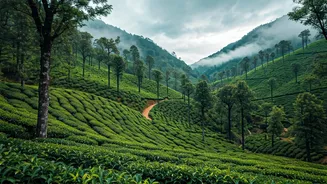


From Tourist Traps to Eco-Retreats
For decades, the classic Indian family vacation followed a familiar script: a whirlwind tour of famous landmarks, ticking off cities like a checklist. But for India's millennials and Gen Z—armed with disposable income, digital savvy, and a global mindset—that
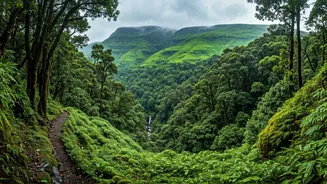
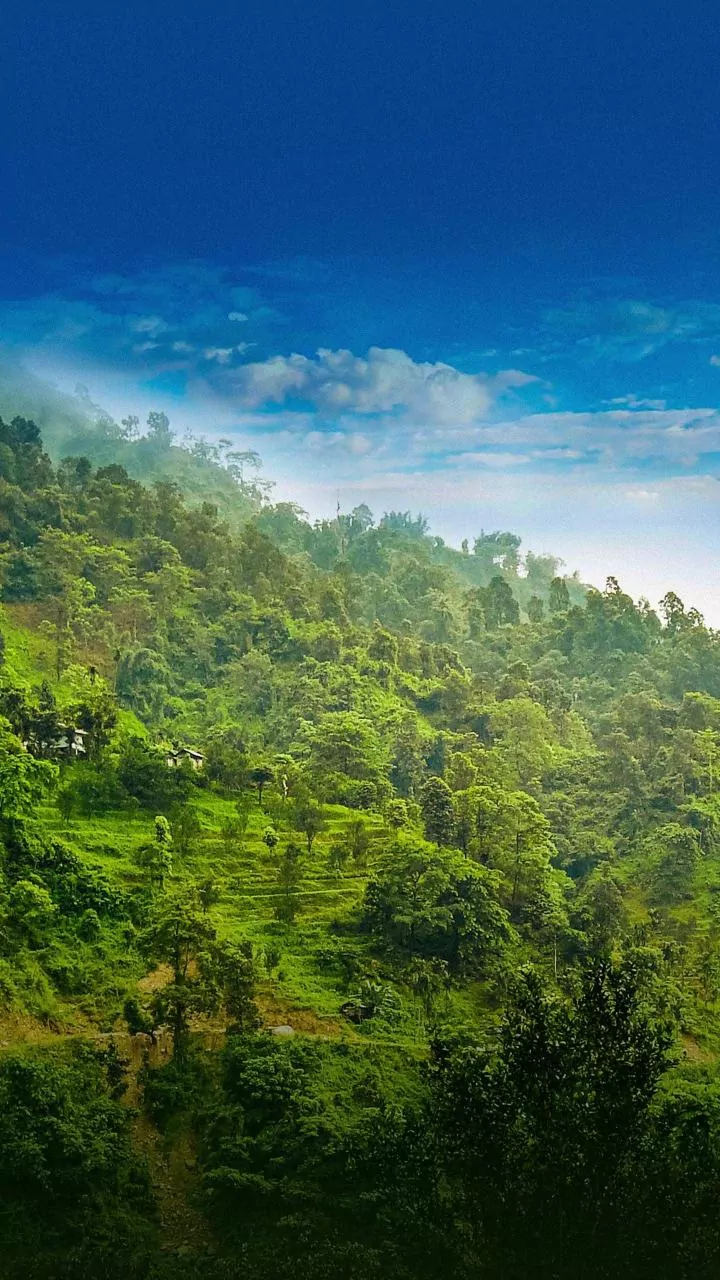
model feels outdated. They’re driving a powerful trend toward what the industry calls “sustainable escapes.” This isn’t just about choosing a hotel with a recycling program. It’s a holistic philosophy that prioritizes environmental preservation, cultural authenticity, and direct support for local communities. Instead of a sprawling resort, they might choose a boutique eco-lodge in the Western Ghats built from local materials. Instead of a frantic city tour, they’re seeking out homestays in Sikkim where they can learn about local traditions from their hosts. This shift represents a move from passive sightseeing to active, immersive participation.
The Drivers: Conscience and Connectivity
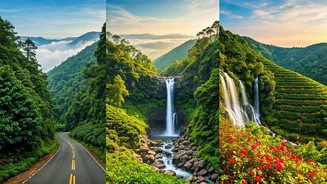
So, what’s fueling this change? It's a potent mix of economic and cultural factors. First, India has the world’s largest youth population, and a significant portion of its urban middle class has more spending power than any previous generation. They can afford to be discerning. Second, social media has transformed travel from a private experience into a public expression of identity. But the currency is no longer just a photo in front of the Taj Mahal. It’s the unique, off-the-beaten-path shot from a place your friends haven’t heard of—a hidden waterfall, a village craft workshop, or a serene yoga session overlooking a tea plantation. This quest for authenticity is amplified by a growing climate consciousness. For a generation acutely aware of environmental degradation in their own cities and countrysides, choosing a low-impact vacation is a way to align their spending with their values. It’s travel as a statement.
What These Escapes Actually Look Like
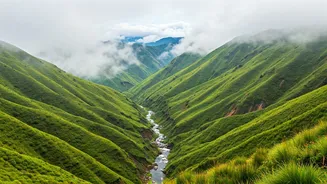
The “sustainable escape” is not a single destination but a diverse category of experiences. In the northern state of Uttarakhand, travelers are flocking to community-run tourism initiatives that offer trekking with local guides, with profits funneled back into village development and conservation. In Kerala, backwater tours are moving away from noisy houseboats toward quieter, solar-powered canoes and stays in family-owned properties that practice organic farming. Down in Karnataka, properties are popping up that focus on wildlife conservation and re-wilding projects, inviting guests to participate in a larger ecological mission. The common thread is a sense of purpose and connection. These travelers aren’t just observing a place; they’re contributing to it, whether by helping to fund a school, learning a traditional recipe, or simply ensuring their tourist dollars stay within the local economy.
A Growing Trend, Not a Total Takeover
It’s important to keep this trend in perspective. Mass tourism is still the dominant force in India, a country with over 1.4 billion people. The family trip to a crowded hill station isn't going away anytime soon. For now, the sustainable travel movement is primarily driven by a slice of the urban, educated, and relatively affluent youth. However, this is the very demographic that sets trends and influences the market. As their preferences shift, the entire tourism industry is being forced to adapt. Major hotel chains are introducing eco-friendly brands, and online travel portals now feature “sustainable” search filters. What starts as a niche movement among tastemakers in Mumbai and Bangalore often becomes the mainstream aspiration for millions more in the years to come.