





The Science of a Soggy Pot
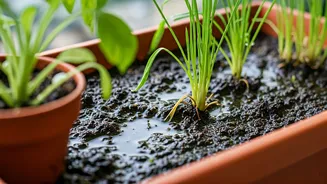
Waterlogging isn’t just about too much water; it’s about a lack of oxygen. Plant roots need to breathe. When soil becomes saturated, the tiny air pockets that roots rely on for oxygen fill with water. Unable to perform respiration, the roots begin to suffocate
and die. This leads to root rot, a fungal disease that thrives in anaerobic (oxygen-free), wet conditions. Once root rot sets in, the plant can no longer absorb nutrients or water effectively—even though it’s sitting in a swamp. This is the cruel irony of waterlogging: a plant can be dying of thirst in a pot full of water because its root system has shut down. For balcony gardeners, where containers are the entire universe for a plant, this process can happen with alarming speed.
Signs You're Overwatering
The symptoms of waterlogging are often mistaken for underwatering, leading well-intentioned gardeners to make the problem worse. Be on the lookout for these telltale signs before you reach for the watering can again. First, check the leaves. Are they yellowing and dropping, especially the lower, older ones? This is a classic sign of root distress. The leaves might also appear wilted or droopy, even when the soil is damp. This happens because the damaged roots can't supply the leaves with the water they need. You might also notice stunted growth, with no new leaves or flowers appearing. Finally, trust your nose. If you gently lift the plant from its pot or poke around the drainage holes, a sour, swampy smell is a dead giveaway that root rot has begun.
The Three Main Culprits
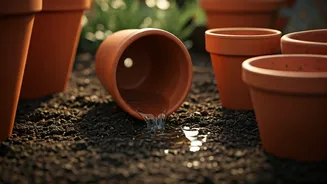
Nearly all waterlogging issues on a balcony can be traced back to three preventable mistakes. 1. **Improper Drainage:** This is the number one offender. Every single pot must have drainage holes. Without them, excess water has nowhere to go, creating a stagnant pool at the bottom. Also, ensure pots aren't sitting in a saucer full of water for extended periods; always empty the saucer about 30 minutes after watering. 2. **The Wrong Soil:** Standard garden soil is too dense for containers. It compacts easily, squeezing out air and holding onto too much moisture. Always use a high-quality potting mix specifically formulated for containers. These mixes contain ingredients like peat moss, perlite, and vermiculite to ensure a light, airy structure that promotes drainage. 3. **Over-Enthusiastic Watering:** It’s easy to kill a plant with kindness. Instead of watering on a rigid schedule (e.g., “every Tuesday”), check the soil first. Stick your finger two inches deep into the pot. If the soil feels damp, wait. If it feels dry, it's time to water.
Your Waterlogging Prevention Plan
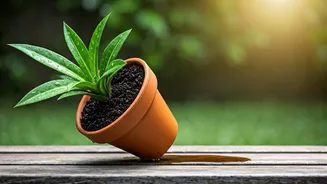
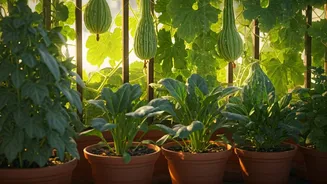
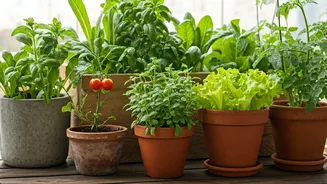
Creating a thriving balcony garden is about setting up the right conditions from the start. First, choose the right pots. Porous materials like terra cotta allow moisture to evaporate through the sides, making them more forgiving than plastic. If you use plastic or glazed ceramic, be extra vigilant about drainage. Next, elevate your pots slightly. Placing pots on small “pot feet” or even a few flat stones allows for better airflow and ensures drainage holes don’t get blocked. When you do water, do it thoroughly until water runs out of the bottom. This flushes out excess salts and ensures the entire root ball is hydrated. Then, allow the top few inches of soil to dry out completely before watering again. This wet-dry cycle is crucial for root health.
Emergency Rescue for a Drowning Plant
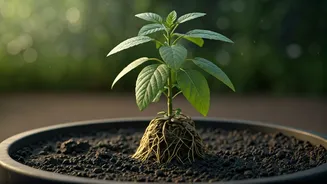
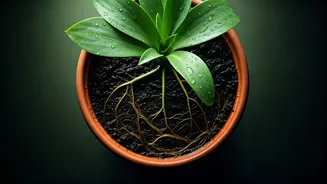
If you suspect a plant is already waterlogged, you may still be able to save it. Gently remove the plant from its pot and inspect the roots. Healthy roots are firm and white or light-colored. Rotted roots will be brown, black, and mushy, and they may fall apart in your hands. Using clean, sharp scissors, trim away all the rotted, mushy parts. Be ruthless—any diseased root left behind can spread the rot. If you have to remove a lot of roots, prune a corresponding amount of the plant's foliage. This reduces the stress on the remaining roots, which no longer have to support as many leaves. Finally, repot the plant in a clean pot with fresh, well-draining potting mix. Water it lightly and place it in indirect light to recover for a week or two.