
The Snake Plant (Sansevieria trifasciata)
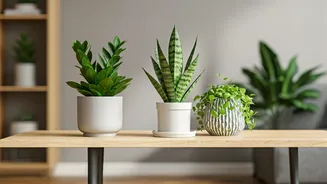
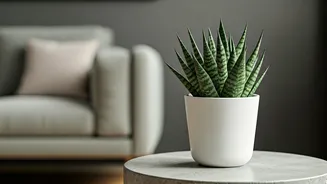
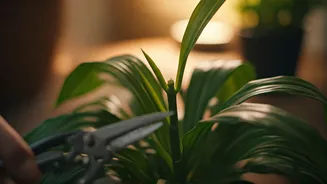
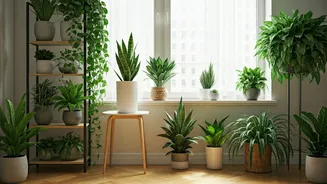
Often called the “impossible to kill” plant, the Snake Plant is the undisputed champion of low-maintenance living. Its stiff, upright leaves have a modern, architectural quality that suits any decor. More importantly, it thrives on neglect. The Snake Plant tolerates
low light, though it prefers indirect brightness, and is extremely drought-tolerant. Its biggest enemy is overwatering, which can cause root rot. A good rule of thumb is to water it only when the soil is completely dry to the touch, which might be as little as once a month during winter. Beyond its good looks, it's also a powerhouse air purifier, known for filtering common household toxins. It's the perfect starter plant for anyone convinced they kill everything.
The ZZ Plant (Zamioculcas zamiifolia)
If you’re a chronic forgetful waterer, the ZZ Plant is your soulmate. With its wide, waxy, dark green leaves, it looks almost artificial in its perfection. The secret to its resilience lies in its underground rhizomes, which store water, allowing it to survive long periods of drought. Like the Snake Plant, it prefers its soil to dry out completely between waterings and is more likely to suffer from too much attention than too little. It’s happy in low to medium indirect light, making it ideal for brightening up a dim corner of your office or living room. The ZZ Plant grows slowly, meaning you won’t have to worry about frequent repotting. It’s the epitome of set-it-and-forget-it greenery.
The Pothos (Epipremnum aureum)
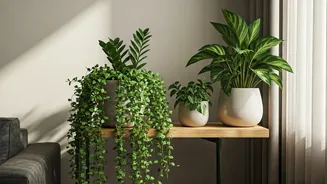
The Pothos is one of the most popular and forgiving houseplants for a reason. Its fast-growing, trailing vines adorned with heart-shaped leaves can create a lush, jungle-like feel. It’s a great communicator; the leaves will visibly droop when it's thirsty, bouncing back quickly after a good drink. This makes it an excellent teaching plant for beginners learning to read a plant’s cues. Pothos is incredibly versatile with its lighting needs, tolerating everything from low light to bright, indirect sun (though its variegation will be more pronounced in brighter spots). You can let it cascade from a hanging basket, climb up a bookshelf, or simply sit pretty on a tabletop.
The Spider Plant (Chlorophytum comosum)
A retro classic that never goes out of style, the Spider Plant is both resilient and generous. Its fountain-like spray of arching leaves looks great in hanging planters. It’s known for being a prolific producer of “spiderettes,” or baby plantlets, that dangle from the mother plant. These can be easily snipped off and potted to create new plants to share with friends. Spider Plants are adaptable to various light conditions and are quite forgiving if you miss a watering. They are also consistently listed as non-toxic, making them one of the safest and best choices for homes with curious pets and children. They clean the air and ask for very little in return.
The Cast Iron Plant (Aspidistra elatior)
The common name says it all. The Cast Iron Plant earned its reputation by being nearly indestructible, capable of withstanding conditions that would spell doom for most other houseplants. It thrives in deep shade, making it a perfect solution for those dark hallways or north-facing rooms where nothing else seems to grow. Its large, elegant, dark-green leaves provide a dramatic splash of color. It is extremely tolerant of irregular watering, heat, and low humidity. It's a slow-grower, so it won’t outgrow its pot or its space for years. If you want a stately, handsome plant that demands almost zero fuss, you’ve found it. Plus, it's non-toxic to pets.