

Moving Beyond the Buffet
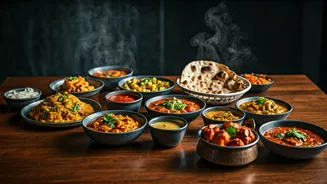
Let’s be honest: for many Americans, the experience of Indian food has been shaped by the lunch buffet and a handful of familiar dishes. Chicken tikka masala, saag paneer, and mountains of garlic naan are staples. While wonderful, this menu represents
a tiny, highly Westernized sliver of Indian cuisine, primarily rooted in North Indian, specifically Punjabi, traditions. This version was historically adapted for British and then American palates, often emphasizing cream, butter, and milder spice profiles to be more approachable. The result was a cuisine that became stereotyped as rich, heavy, and best reserved for a special night out when you could afford the subsequent food coma. This narrow perception obscured the incredible diversity and inherent healthfulness of the subcontinent's culinary landscape.
A Return to Regional Roots
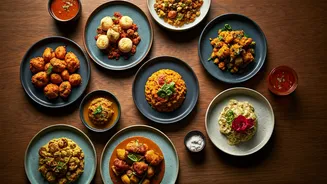
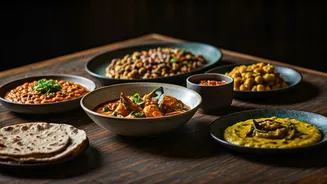
The “grounded” shift in Indian dining is a direct challenge to that old model. Chefs and restaurateurs, many of them Indian-Americans, are pushing back against the monolithic “curry house” concept by championing the food they grew up eating. This means a deep dive into regionality. Instead of just “Indian,” menus now proudly specify dishes from Kerala, Tamil Nadu, Bengal, Goa, or Maharashtra. This isn’t just a matter of geography; it’s a whole new world of flavor. Coastal Keralan food might feature delicate fish curries with coconut and kokum, a sour fruit. Bengali cuisine showcases a unique affinity for mustard oil and freshwater fish. Restaurants like New York’s Dhamaka have become wildly popular by focusing on the “unapologetic” and lesser-known dishes from India's myriad regions. This isn’t fusion—it’s an authentic expansion, giving diners a truer, more diverse taste of the subcontinent.
What 'Gut-Friendly' Really Means
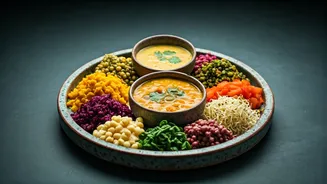
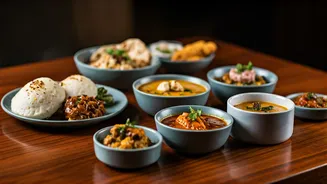
So where does “gut-friendly” fit in? It’s not about calorie-counting or stripping away flavor. Instead, it’s about embracing the traditional wellness wisdom embedded in many regional Indian diets. This includes a focus on fermentation, a cornerstone of gut health. Think of the tangy, fermented rice and lentil batter used to make dosas and idlis in South India. It’s also about the widespread use of yogurt (dahi) in marinades, side dishes (raita), and drinks (lassi), which are natural sources of probiotics. Furthermore, the new approach often swaps heavy cream for nut pastes, coconut milk, or yogurt, and favors healthier fats like mustard or coconut oil over ghee or processed vegetable oils. Spices like turmeric, ginger, cumin, and fenugreek—all prized in Ayurvedic traditions for their digestive and anti-inflammatory properties—are used thoughtfully not just for flavor, but for balance.
The New Philosophy on a Plate
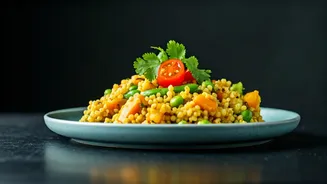
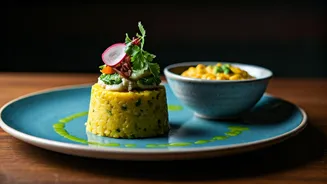
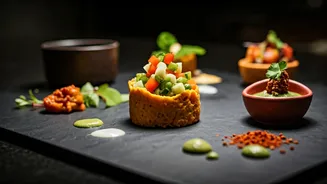
This movement is about more than just food; it’s a cultural reclamation. It’s a statement of confidence that American diners are ready for the real thing. Chefs are no longer toning down the spice or apologizing for unfamiliar ingredients. They are cooking with a renewed pride in heritage, presenting dishes that are vibrant, vegetable-forward, and deeply nourishing. By prioritizing seasonal produce, whole grains like millet and sorghum over refined flour, and leaner proteins, they are creating meals that feel energizing rather than enervating. The result is a dining experience that aligns perfectly with modern wellness values without sacrificing a bit of soul. It’s food that tastes good and makes you feel good, reflecting a holistic approach that has been part of Indian home cooking for centuries.