



So, What Is Ekadashi?
Let's start with the basics. In the Hindu lunar calendar, 'Ekadashi' is the eleventh day of each of the two lunar phases—the waxing and waning moon. This means it occurs twice a month. These days are considered spiritually significant and are often observed
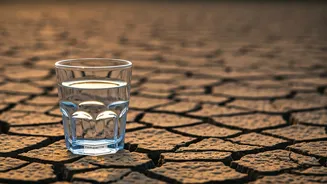
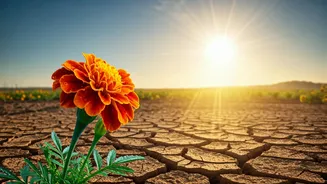
with a partial or full fast, dedicated to the preserver deity, Lord Vishnu. While there are 24 Ekadashis in a year, each with its own name and story, one stands out as the most rigorous and revered: Nirjala Ekadashi. The word 'Nirjala' literally translates to 'without water,' and that’s the key to understanding its unique challenge. It typically falls in late May or early June, a time when the summer sun is at its most intense in the Northern Hemisphere.
The Spiritual Payoff
Why would anyone undertake such an arduous fast? The answer lies in its profound spiritual significance. According to Hindu scriptures, observing the Nirjala Ekadashi fast is believed to grant the observer the same spiritual merit (or 'punya') as observing all 24 other Ekadashis combined. It's seen as a powerful way to cleanse the body, mind, and soul of sins and to progress on the path toward 'moksha,' or liberation from the cycle of birth and death. Devotees believe that by willingly enduring this physical hardship, they demonstrate their unwavering faith and devotion to Lord Vishnu, who in turn blesses them with health, happiness, and spiritual upliftment.
The Story of the Strongest Pandava
A popular legend associated with Nirjala Ekadashi involves Bhima, the second and strongest of the five Pandava brothers from the epic Mahabharata. Bhima was a great lover of food and found it impossible to observe the twice-monthly Ekadashi fasts like his brothers and wife. Distraught that he couldn't show his devotion in this way, he sought the counsel of the sage Vyasa. Understanding Bhima's plight, Vyasa advised him that if he could observe just one fast a year—Nirjala Ekadashi—with complete sincerity and without any food or water, he would reap the benefits of all the other Ekadashis. Bhima agreed and successfully completed the fast. Because of this story, Nirjala Ekadashi is also sometimes called 'Bhima Ekadashi' or 'Pandava Ekadashi.'
More Than Just Not Drinking Water
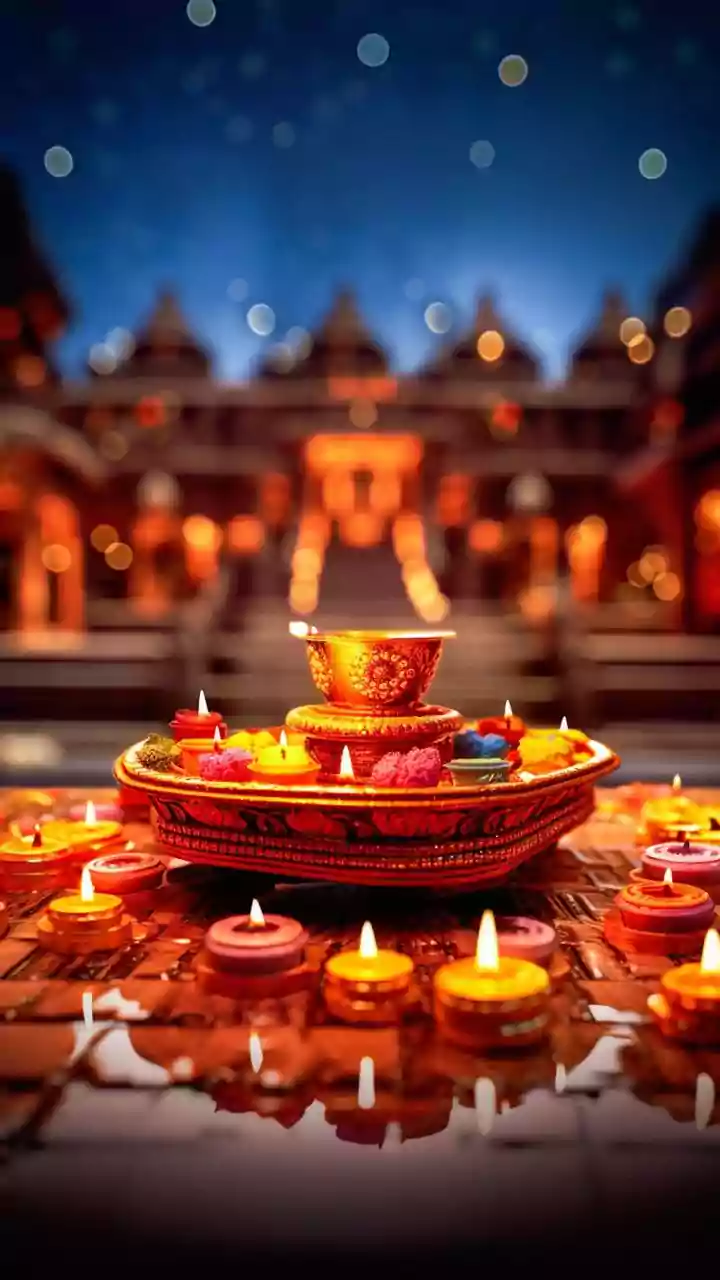
The observance is far more than just a physical endurance test. The day begins before sunrise with a bath and prayers. Throughout the day, devotees focus their minds on spiritual activities. This includes chanting mantras dedicated to Lord Vishnu, reading holy scriptures like the Bhagavad Gita, singing devotional songs ('bhajans'), and visiting temples. Many also engage in acts of charity, such as donating food, water, or clothing to those in need. The goal is to detach from worldly pleasures and bodily needs, directing all energy and consciousness toward the divine. It is a full-day commitment to prayer and introspection, with the fast serving as the physical anchor for the spiritual exercise.
The Morning After: Breaking the Fast
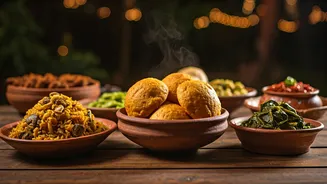
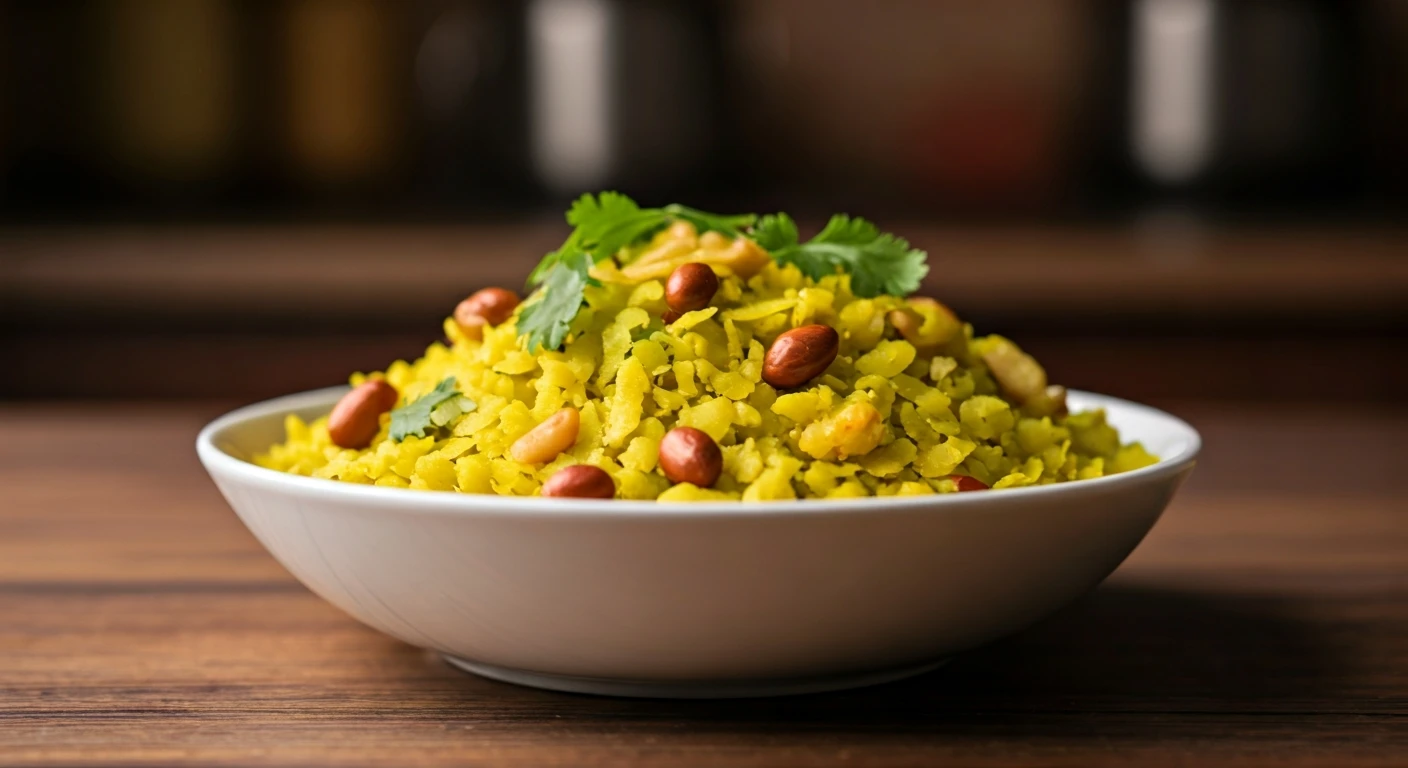
The fast is just as ritually concluded as it is started. The observance lasts for 24 hours, from the sunrise of Ekadashi to the sunrise of the following day, known as Dwadashi. The process of breaking the fast, called 'Parana,' must be done during a specific time window on Dwadashi morning. Breaking it too early or too late is believed to negate the spiritual benefits. The fast is typically broken by first offering prayers and then consuming a sip of water, often followed by a light, simple meal. For many, that first taste of water after a day of complete abstinence is a moment of profound gratitude and relief, symbolizing the renewal of life and divine grace.