
The Sweet World of Mithai
First, let's set the table. For anyone unfamiliar, 'mithai' is the all-encompassing term for a vast universe of Indian sweets. These aren't your typical chocolate bars or gummy bears. Mithai are complex, often milk-, nut-, or flour-based confections that
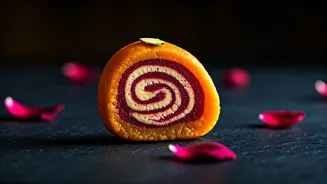
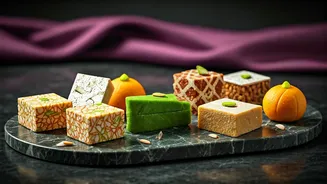
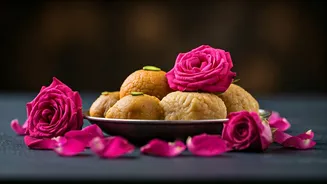
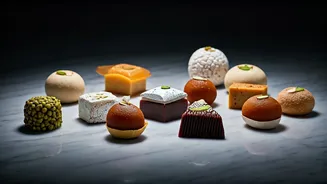
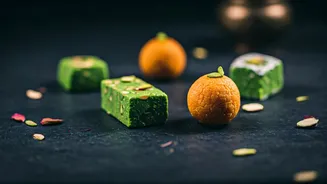
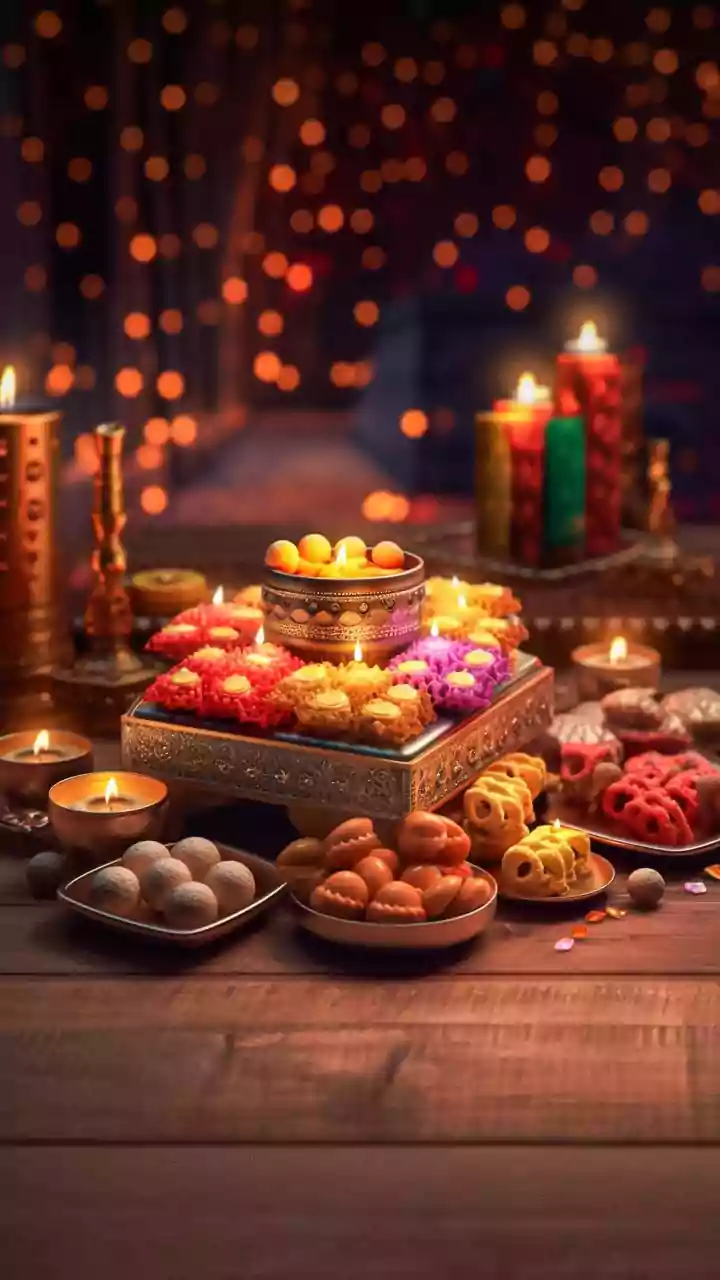
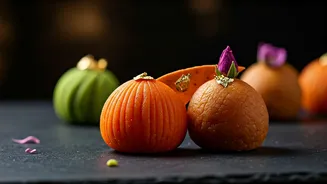
are deeply woven into the fabric of Indian life. They mark celebrations, holidays like Diwali, weddings, and simple everyday joys. Think of dense, fudge-like squares called barfi, made from condensed milk and flavored with pistachio or almond; rich, spherical ladoos, often made from chickpea flour, semolina, or coconut; and syrupy-sweet gulab jamun, deep-fried milk solids soaked in a fragrant syrup. For generations, the mithai landscape was dominated by these beloved classics, rich, intensely sweet, and steeped in tradition.
The Complex Kick of Paan
Now, enter paan. Traditionally, paan is not a dessert, but an after-dinner palate cleanser and digestive aid. It’s a small parcel made by folding a fresh betel leaf—which has a distinct peppery, slightly bitter taste—around a variety of fillings. The most traditional filling includes areca nut, which has a mild stimulant effect, but it's the other ingredients that create its iconic flavor profile. These often include gulkand (a sweet, jammy preserve of rose petals), chopped dates, fennel seeds, cardamom, and sometimes shredded coconut. Chewing a paan releases a burst of flavors: it’s cool, minty, sweet, floral, and herbaceous all at once. It’s a complex and polarizing flavor, deeply rooted in social rituals across South and Southeast Asia.
An Unlikely, Perfect Pairing
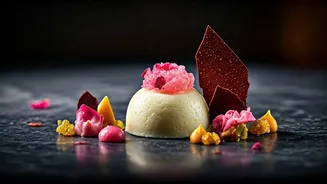
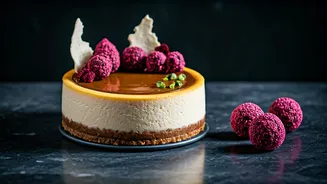
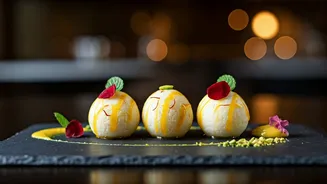
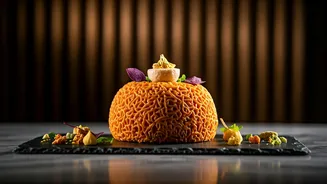
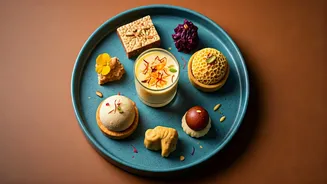
So, how did this assertive palate cleanser end up in a delicate sweet? The magic lies in deconstruction. Modern chefs and mithai-makers began isolating the most dessert-friendly elements of paan. They largely ditched the bitter betel leaf and astringent areca nut, focusing instead on the aromatic 'paan essence.' This essence—a symphony of gulkand, fennel, and mint—provides a perfect counterbalance to the rich sweetness of traditional mithai. The refreshing, almost cooling effect of the paan flavor cuts through the richness of a milk-based barfi or a dense ladoo, creating a confection that is suddenly lighter and more complex. You get the nostalgia of mithai with a surprising, cool, and aromatic finish that leaves your palate feeling refreshed, not overloaded. The result is a wave of creations like paan ladoos, paan-and-white-chocolate truffles, paan cheesecakes, and even paan-flavored ice cream.
A Taste of Modern Confidence
This trend is more than just a clever flavor combination; it's a cultural statement. For years, Indian cuisine in the West was often simplified for foreign palates. But the paan-mithai trend is part of a larger movement of culinary confidence. A new generation of Indian and Indian-American chefs are no longer seeking external validation. Instead, they are looking inward, mining their own rich culinary heritage for inspiration and reinterpreting it with modern techniques and a global perspective. They are creating food that is unapologetically Indian in its soul but contemporary in its execution. The 'swagger' in these new sweets comes from this confidence—the freedom to play with tradition, to deconstruct nostalgic flavors, and to create something that feels both familiar and thrillingly new.