





Beyond the Yogurt Aisle
For decades, the conversation around gut health started and ended with yogurt. But the modern wellness movement has pushed the boundaries far beyond a simple cup of Activia. Today, “gut-friendly” has become a full-fledged food category, encompassing a dizzying
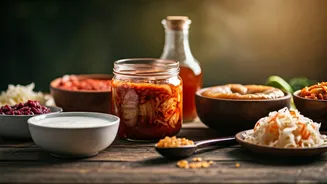
array of fermented, cultured, and fiber-rich products that promise to nurture our internal ecosystem. This isn't just a health-food store phenomenon anymore. Major retailers like Target and Walmart have dramatically expanded their offerings, dedicating entire sections to items like sauerkraut, miso, tempeh, and various fizzy, tangy beverages. The trend reflects a significant shift in how Americans think about food—not just as fuel, but as a tool for proactive health management.
What 'Gut-Friendly' Actually Means
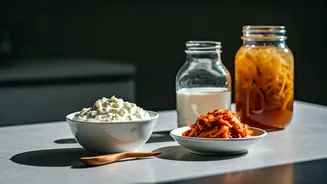
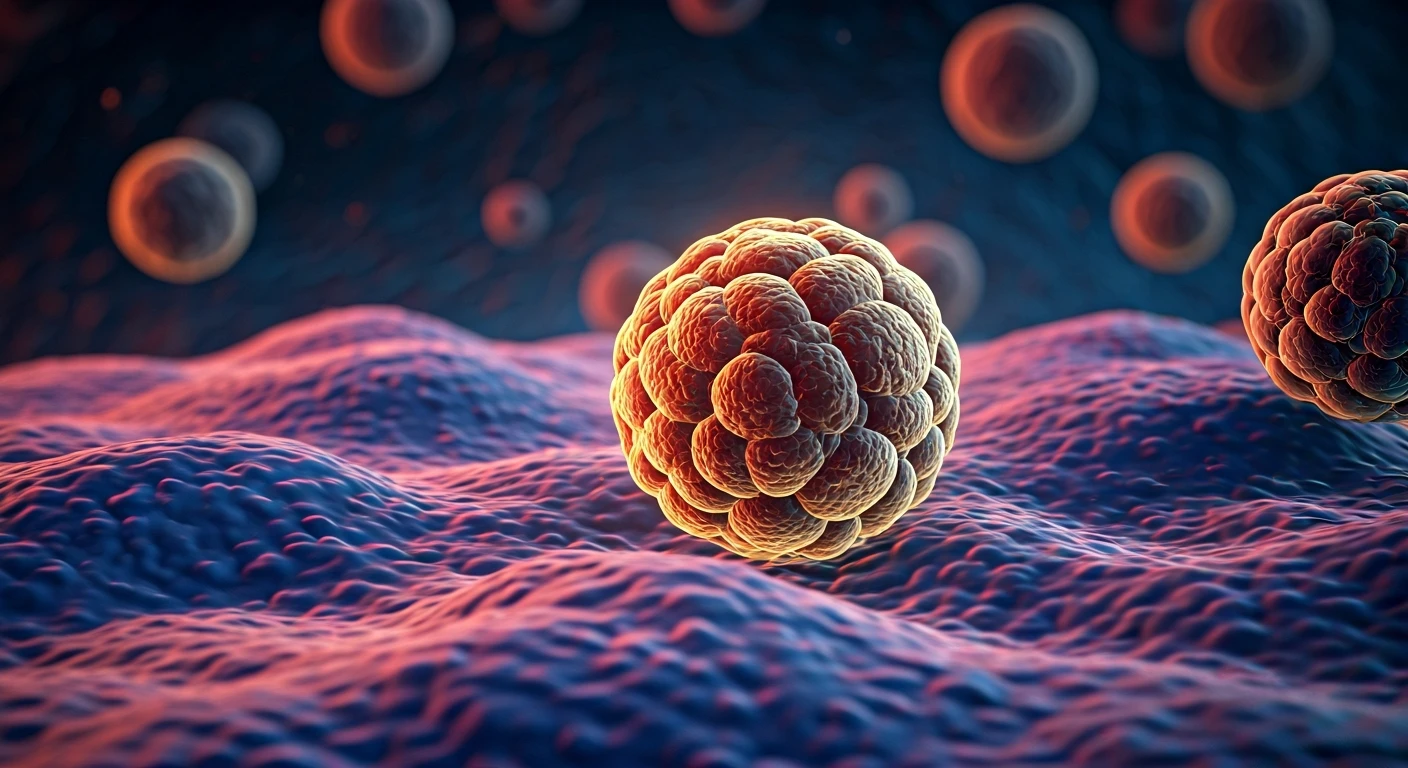
The term “gut-friendly” isn’t a regulated scientific label, but it generally refers to foods that support a healthy gut microbiome. Think of your digestive system as a bustling metropolis populated by trillions of microorganisms, including bacteria, fungi, and viruses. A healthy, diverse population of these microbes is linked to better digestion, a stronger immune system, and even improved mental well-being. Gut-friendly foods help in two main ways: 1. **Probiotics:** These are the “good” live bacteria themselves. Found in fermented foods like yogurt, kefir, and unpasteurized kimchi, they help reinforce the population of beneficial microbes in your gut. 2. **Prebiotics:** These are types of dietary fiber that act as food for your good gut bacteria. Think of them as fertilizer for your internal garden. Foods rich in prebiotics include garlic, onions, bananas, oats, and asparagus. The goal is to create a balanced internal ecosystem where beneficial microbes can thrive, and this two-pronged approach is at the heart of the gut health movement.
The Rise of the Fermented
While our grandparents might have eaten sauerkraut, today’s enthusiasm is fueled by a new generation discovering a world of fermented flavors. Kombucha, a fizzy, fermented tea, has exploded from a home-brew hobby into a billion-dollar industry. Likewise, kimchi, the spicy, funky Korean staple of fermented cabbage, has crossed over from ethnic restaurants to American dinner tables, celebrated for its complex flavor and probiotic punch. This surge is powered in part by social media, where wellness influencers and foodies on platforms like TikTok and Instagram share recipes and tout the benefits of their daily dose of fermented goodness. This cultural visibility has demystified these foods, turning what once seemed exotic into an accessible and trendy wellness habit.
More Than Just a Tummy Ache
The popularity of gut-friendly foods is also driven by expanding research connecting gut health to overall well-being. Scientists are increasingly exploring the “gut-brain axis,” a communication network that links our digestive system to our central nervous system. Emerging studies suggest that the state of our microbiome could influence everything from mood and anxiety to cognitive function. Similarly, since a large portion of our immune system resides in the gut, a healthy microbiome is often associated with stronger immunity. While much of this science is still developing, the idea that nurturing your gut could have far-reaching benefits for your skin, mind, and immune defenses has captured the public imagination and added fuel to the trend.
A Dose of Healthy Skepticism
With any wellness trend, it's wise to be discerning. Not all products labeled “gut-friendly” are created equal. For example, many commercially available sauerkrauts and pickles are pasteurized, a heating process that kills the very live cultures you’re seeking. Look for terms like “raw,” “unpasteurized,” or “live cultures” on the label. Furthermore, many sweetened yogurts and kombuchas can be loaded with sugar, which can counteract some of the potential benefits. Experts caution against viewing these foods as a magic bullet. They are most effective as part of a balanced, whole-foods diet rich in fiber, rather than a quick fix for an unhealthy lifestyle.