

Redefining Adventure, Softly
For years, the travel industry has pushed a narrative of extremes. The highest peak, the fastest thrill, the most remote jungle. But not everyone wants—or is able—to hang from a cliff face for fun. Enter 'soft adventure.' It’s a travel category defined
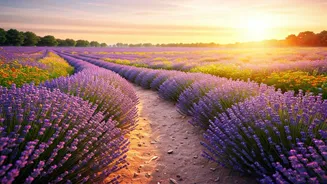
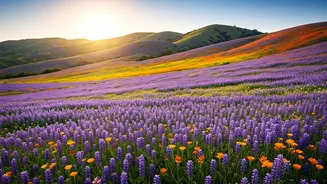
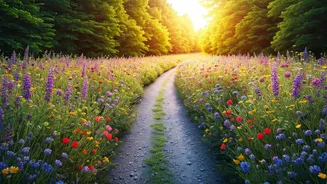
by low-risk, high-reward experiences that still offer a sense of discovery, engagement with nature, and a break from the norm. Think less about survival skills and more about sensory immersion. It’s kayaking on a calm lake instead of whitewater rafting, taking a guided culinary tour instead of foraging in the wild, or, in this case, seeking out a stunning floral display instead of trekking through a barren landscape. This shift reflects a broader cultural desire for experiences that rejuvenate rather than exhaust. It’s adventure that fits into a weekend, requires minimal gear, and leaves you feeling restored, not recovering.
Why Flower Walks Are Blooming Now
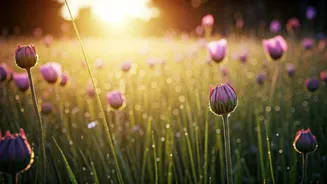
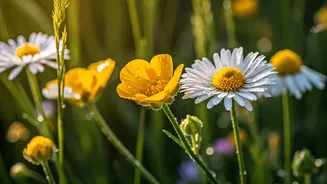
So why are intentional walks to see flowers becoming the poster child for this movement? It’s a convergence of several modern wellness trends. After years of being hyper-connected and often indoors, there’s a collective yearning for tangible, real-world beauty. A flower walk is the ultimate antidote to doomscrolling. It’s an activity rooted in seasonality and place, reminding us of the natural cycles that exist outside our digital calendars. Furthermore, the rise of mindfulness practices has taught us to find joy in simple, focused activities. A flower walk isn’t just about getting from point A to B; it's an exercise in observation. You notice the delicate gradient on a petal, the buzz of a pollinator, the scent of blossoms on the air. It’s a form of what the Japanese call *shinrin-yoku*, or 'forest bathing'—a meditative practice of simply being in nature. And, of course, in a visual culture, these walks provide an endless supply of beautiful, shareable moments that feel both authentic and aspirational.
More Than Just Pretty Petals
The appeal of a flower walk goes deeper than aesthetics. It’s a profoundly human experience. For centuries, people have marked seasons and celebrated nature through its blooms, from Japan’s cherry blossom festivals to the Netherlands’ tulip fields. Tapping into this tradition offers a powerful sense of connection. The benefits are also physical and mental. It’s a low-impact form of exercise accessible to people of all ages and fitness levels. Studies have consistently shown that spending time in green (and colorful) spaces can lower stress levels, improve mood, and boost cognitive function. In a world that often feels chaotic and overwhelming, the simple, predictable beauty of a flower—or a field of them—provides a moment of serene, uncomplicated wonder. It doesn’t demand anything from you; it simply asks you to look.
How to Plan Your Own Floral Expedition
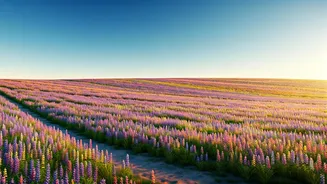
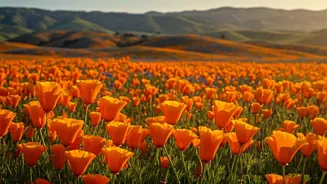
The best part about this trend is its accessibility. You don’t need a travel agent or a trust fund. Start local. Check the websites for your city’s botanical garden, local parks, or state parks to see what’s in season. Community gardens and even picturesque neighborhoods can be hotspots for spring and summer blooms. For a bigger trip, you can plan around famous floral events: the 'superblooms' in California’s deserts, the bluebonnets in the Texas Hill Country, the cherry blossoms in Washington, D.C., or the rhododendrons along the Blue Ridge Parkway. A little research on bloom calendars can turn a simple road trip into a spectacular event. Pack a water bottle, comfortable shoes, and your phone—not just for photos, but for apps like iNaturalist or PictureThis, which can help you identify the flowers you find, adding a layer of educational discovery to your adventure.