








The 'Surprise' Flower of the South
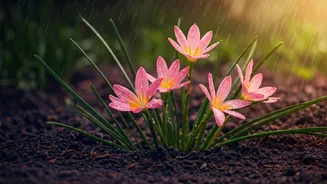
So, what exactly is a rain lily? The name refers to several species in the Zephyranthes and Habranthus genera, small flowering bulbs native to the Americas. They're often called fairy lilies, zephyr lilies, or storm lilies, and for good reason. Their
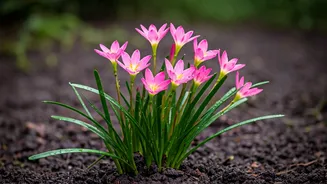
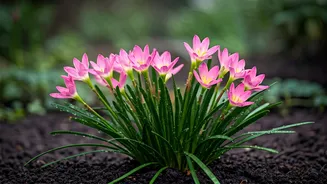
defining characteristic is a dramatic and seemingly spontaneous bloom triggered by rainfall, especially after a long dry spell. One day your garden bed or lawn might look unremarkable; the next, after a good summer soaking, it's blanketed in delicate, star-shaped flowers in shades of white, pink, or yellow. This 'pop-up' performance is what makes them feel so enchanting. Unlike flowers that follow a predictable seasonal clock, rain lilies wait for their cue from the sky, providing a delightful surprise that never gets old.
Decoding the Online Buzz
The recent surge in interest isn't just about a pretty flower; it's about how perfectly rain lilies fit into our modern, digital-first gardening culture. The core of the hype lies in their 'Instagrammable' transformation. A photo of a dormant patch of grass is uninteresting, but a side-by-side shot with that same patch suddenly covered in dozens of vibrant blooms is social media gold. It’s a compelling visual narrative that’s easy to capture and share. Furthermore, rain lilies tap into the growing desire for low-maintenance, resilient gardens. They are famously tough, drought-tolerant, and require almost no coddling. In an era where gardeners are looking for sustainable, 'set it and forget it' options that still deliver a big payoff, rain lilies are the perfect candidates. They offer maximum reward for minimal effort, a message that resonates deeply in busy online forums.
Bringing the Magic to Your Yard
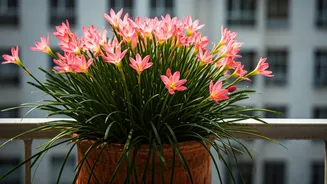
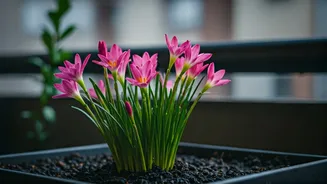
Tempted to join the hype? The good news is that growing rain lilies is incredibly easy, especially in warmer climates (USDA zones 7-11). The most important thing is to plant the small bulbs in a spot that gets plenty of sun and has well-draining soil, as they dislike sitting in water. Plant them in the fall or spring, about one to two inches deep and a few inches apart. You can tuck them into garden borders, line a walkway, or create a 'meadow' effect by planting them in scattered drifts throughout a lawn. They also do wonderfully in containers, where their surprise blooms can bring a pop of color to a patio or balcony. Once established, they are largely self-sufficient. Just sit back, wait for a good summer rainstorm, and get your camera ready.
Popular Varieties to Start With
While there are dozens of species, a few staples consistently appear in nurseries and online catalogs, making them great starting points. The most common is Zephyranthes candida, the white rain lily, known for its prolific and reliable blooms. For a splash of color, look for Zephyranthes grandiflora, which boasts large, vibrant pink flowers that are truly show-stopping. If you prefer a sunnier disposition, Zephyranthes citrina offers cheerful, lemon-yellow blossoms. Many gardeners find success by mixing all three, creating a confetti of color that erupts after a storm. Because they multiply over time, a small initial investment can lead to a spectacular, naturalized colony within just a few years.