



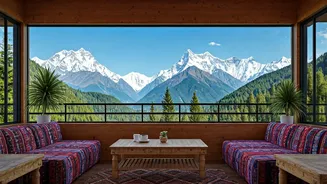


Manali: The Ultimate Himalayan Basecamp
For decades, Manali has been the stuff of travel legend. For Americans on the classic Asia circuit, it was a hazy, bohemian paradise. For Indian travelers, it’s a go-to escape from the summer heat. But trends shift, and destinations can fade. Manali hasn't.
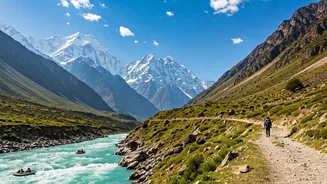
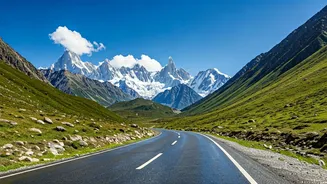
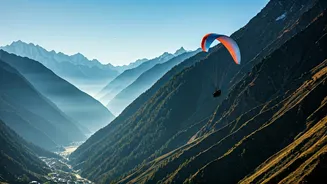
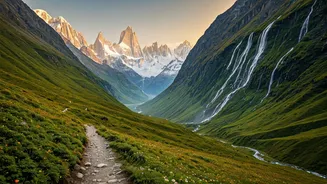
Its enduring magic lies in its role as the perfect basecamp for Himalayan adventure. The Beas River rushes through town, but it’s the towering peaks of the Pir Panjal and Dhauladhar ranges that hold the real promise. The town itself is a vibrant ecosystem built for adventurers. Gear shops line the streets, guides share stories over chai, and a palpable sense of anticipation hangs in the crisp mountain air. It’s a place you come not just to see the mountains, but to walk among them. This accessibility to world-class trekking is what keeps Manali eternally relevant.
For Beginners: The Beas Kund Trek
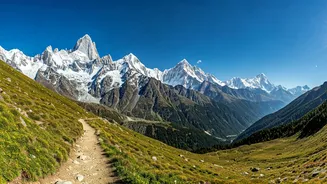
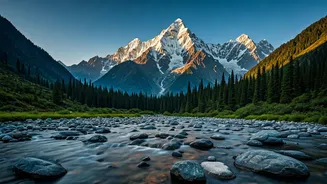
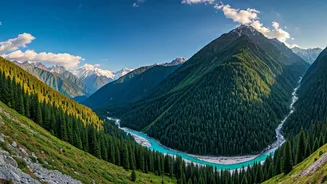
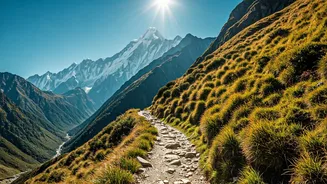
If you're new to Himalayan trekking, the Beas Kund trek is the perfect introduction. This relatively short, 3-day trek takes you to the source of the Beas River—a stunning glacial lake surrounded by towering peaks like Hanuman Tibba and Friendship Peak. The trail is a gentle ascent through lush green meadows, dense forests of birch and pine, and across clear mountain streams. It’s manageable for anyone with a decent level of fitness and doesn't involve any tricky terrain or extreme altitudes, maxing out around 12,700 feet. What makes it so special is the payoff. In just a few days, you go from the bustling town to a pristine alpine environment, standing at the foot of massive glaciers. It’s a trek that delivers the full Himalayan experience—panoramic views, starry nights, and a profound sense of accomplishment—without the grueling commitment of a longer expedition.
The Classic Crossover: Hampta Pass Trek
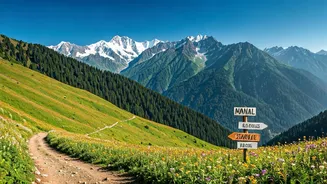
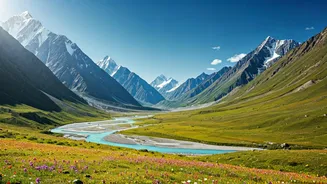
Arguably the most famous trek out of Manali, the Hampta Pass is a dramatic journey that showcases the region's incredible geographical diversity. Over 4 to 5 days, trekkers ascend from the lush, green Kullu Valley, with its vibrant wildflowers and gushing rivers, up to the Hampta Pass at 14,100 feet. The moment you cross the pass is breathtakingly abrupt. The landscape instantly transforms from green to brown as you descend into the stark, arid, and stunningly beautiful Spiti Valley. It’s like stepping from one world into another. This moderate trek is a favorite because it offers a little bit of everything: forests, meadows, river crossings, and the awe-inspiring contrast between two distinct Himalayan regions. The final leg often includes a visit to the magical Chandratal, or Moon Lake, a high-altitude wetland of piercing blue water that feels like it belongs on another planet.
For a Challenge: Bhrigu Lake Trek
Don’t let its short duration fool you; the Bhrigu Lake trek is a steep and rewarding challenge. Typically done over 3 to 4 days, this trek involves a rapid ascent to the sacred Bhrigu Lake, which sits at a lofty altitude of around 14,300 feet. Legend has it that the sage Maharishi Bhrigu meditated here, and the lake is said to never freeze completely. The trail begins in picturesque meadows and climbs sharply, offering ever-expanding views of the Kullu Valley and peaks like Solang, Deo Tibba, and Indrasan. The high altitude makes it more strenuous than the Beas Kund trek, demanding good acclimatization. But reaching the serene, deep blue lake, often nestled in a blanket of snow even in early summer, feels like a true pilgrimage. It’s an ideal trek for those short on time but looking for the physical test and spiritual reward of a genuine high-altitude experience.