

The Age of the Anonymous Interior
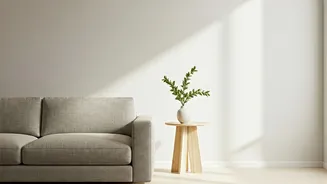
Remember the 2010s? It was the golden age of the globally generic interior. Whether you were in a condo in Columbus or a flat in Mumbai, the aesthetic blueprint was strikingly similar. Inspired by a mix of Scandinavian minimalism and Western catalogues,
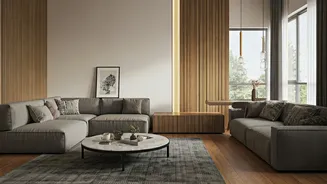
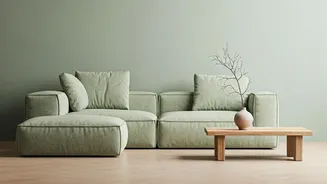
the look was defined by gray sofas, flat-pack furniture, and a conspicuous lack of personal or local character. It was clean, safe, and utterly anonymous. This aesthetic promised a kind of modern sophistication, but in doing so, it often stripped homes of their warmth, history, and sense of place. Homes began to feel less like personal sanctuaries and more like showrooms, beautifully sterile but lacking a heartbeat. For a country with an impossibly rich history of craft, this imported minimalism felt particularly jarring—a temporary detour from a deeper cultural truth.
A Return to Texture and Story
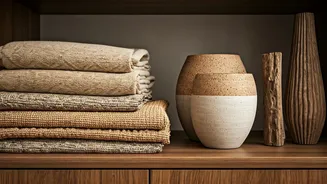
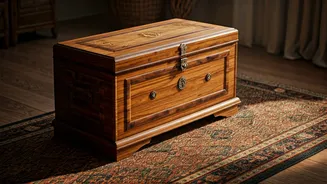
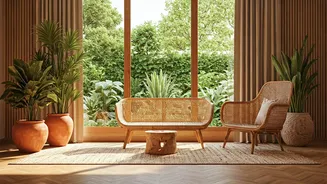
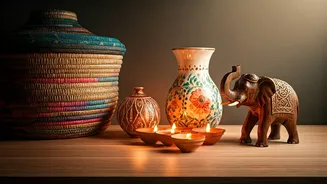
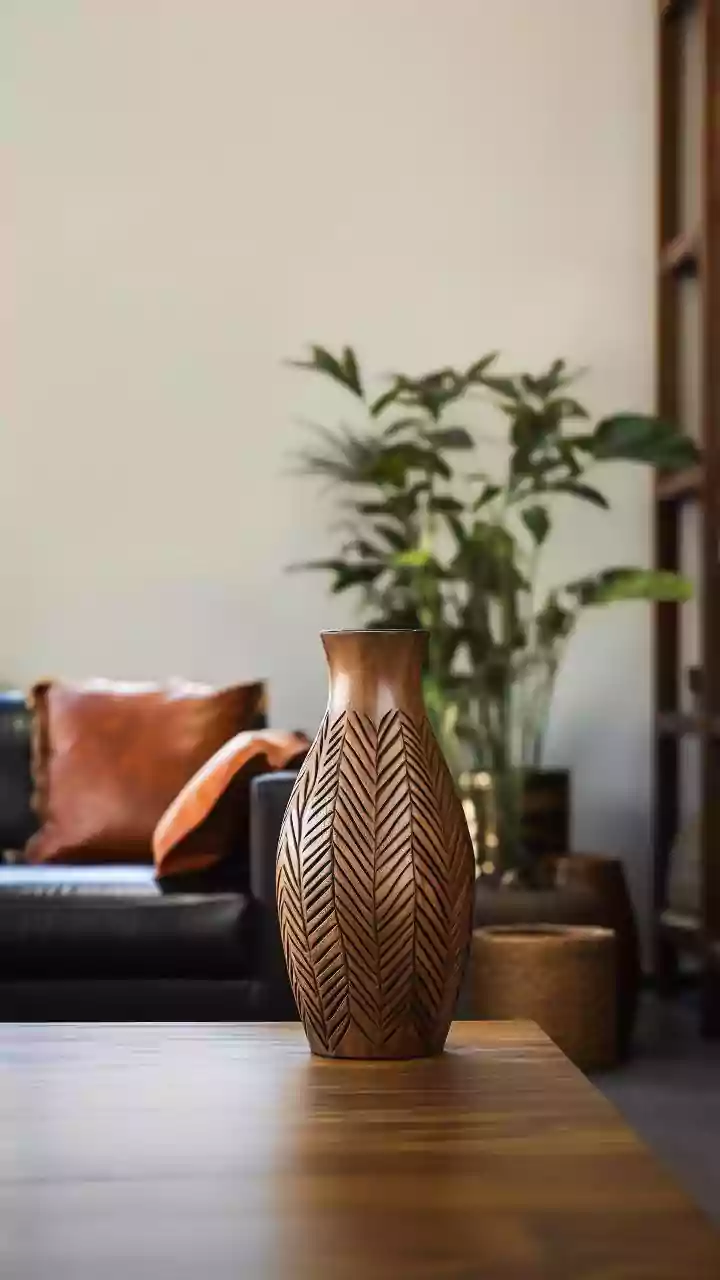
The comeback, as the headline suggests, isn't about nostalgia; it’s about a renaissance. Walk into a stylish Indian home today, and you’re less likely to find a perfectly polished, factory-made console and more likely to see a hand-carved wooden bench with subtle imperfections. The sterile white wall might be replaced by the earthy texture of lime-washed plaster or adorned with intricate block-printed wallpaper. This new wave is all about embracing materials that tell a story. Think terracotta planters, cane and rattan furniture, hand-loomed cotton textiles, and brassware with a gentle patina. These aren't just objects; they are conversations. The slight irregularity in a handwoven rug or the unique grain of a wooden bowl isn't a flaw—it's the signature of the human hand, a tangible connection to the person who made it. It’s a shift from visual perfection to sensory richness.
Why Now? The Search for Meaning
So, why the sudden shift? A few cultural currents converged to make this happen. First, the global pandemic forced everyone indoors, turning our homes from mere living spaces into the entire universe of our daily lives. This intense focus on our immediate environment made many people crave comfort, warmth, and a sense of personal connection that mass-produced items simply couldn't provide. Second, a younger generation, more conscious of sustainability and the pitfalls of consumerism, began rejecting 'fast furniture' in the same way they rejected fast fashion. They started asking questions: Where did this come from? Who made it? What is its impact on the planet? This ethical lens makes a locally sourced, handmade item infinitely more valuable than a cheap, disposable alternative. It’s a conscious choice to invest in longevity and meaning over fleeting trends.
More Than Decor: An Economic Revival
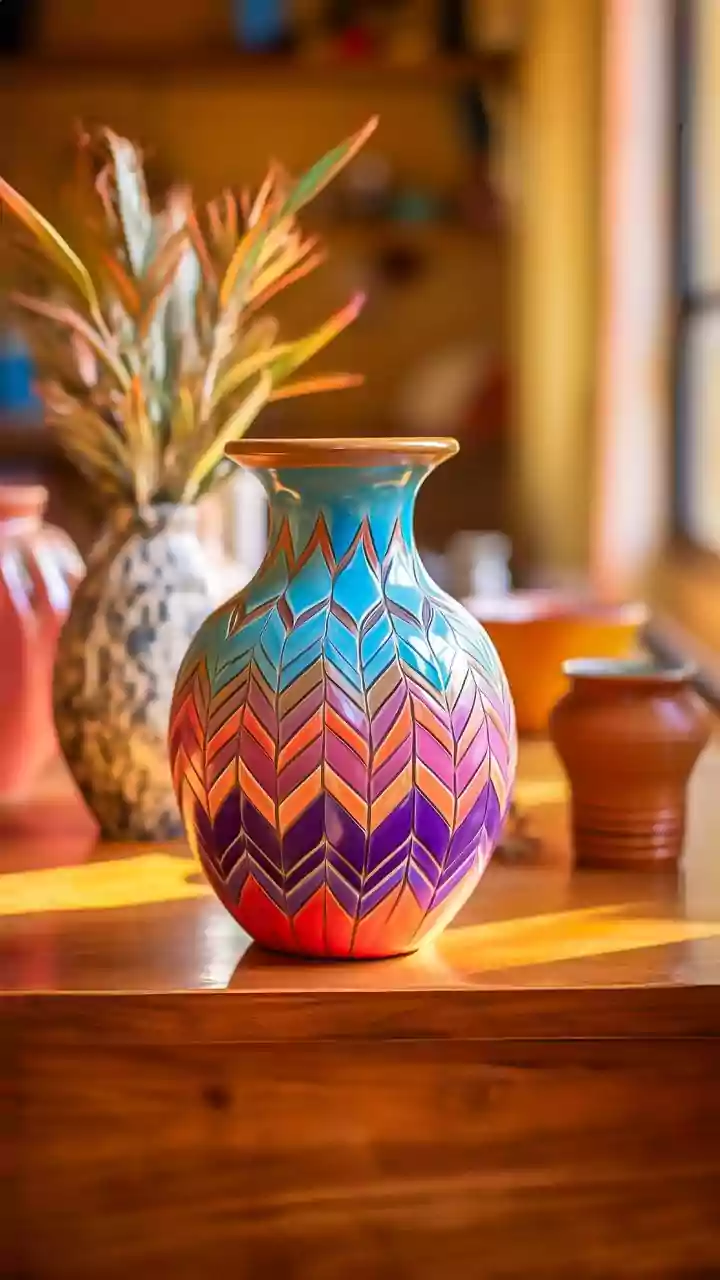
This trend’s most powerful impact may be economic. India is home to millions of artisans whose generational skills were at risk of vanishing in the face of industrial manufacturing. The renewed interest in handmade goods is not just a stylistic choice; it's a lifeline. New-age design studios and direct-to-consumer brands are bridging the gap between rural artisans and urban consumers, ensuring fair wages and providing a platform for ancient crafts to thrive in a modern context. By choosing a hand-painted ceramic or a piece of traditional Dhokra metal art, consumers are not only beautifying their homes but also becoming patrons of a fragile and vital cultural economy. It’s a powerful realization that your decor choices can help preserve a craft tradition that has been passed down for centuries, creating a home that reflects both personal taste and a connection to a larger heritage.