







A Spa Day for a Different Clientele
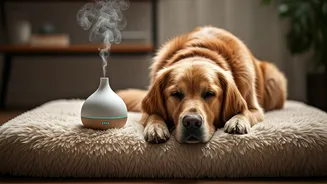
In the bustling, vibrant city of Mumbai, a new kind of wellness center is gaining traction. The clients arrive, often chauffeured, for their pre-booked appointments. The ambiance is serene, the air is scented with calming lavender and chamomile, and soft
music plays. The only difference? The clients are dogs. Welcome to the world of elite canine aromatherapy massage, a service that takes pet pampering to a new, luxurious level. Here, trained therapists use gentle massage techniques combined with carefully selected, pet-safe essential oils. The goal isn't just to make a dog’s coat shiny; it's to address everything from anxiety and stress to joint pain and muscle stiffness. A session might begin with a consultation with the pet parent to discuss the dog’s temperament and any specific issues. Is Fido a nervous traveler? Perhaps a blend with lavender is in order. Getting older and feeling stiff? A touch of ginger oil might be used for its anti-inflammatory properties. The massage itself is a slow, deliberate process, focusing on pressure points and long, soothing strokes to promote relaxation and circulation.
More Than a Pet, It's a Lifestyle
If your first reaction is to chuckle, you're not alone. But the rise of services like this isn't just an isolated quirk; it's the pinnacle of a massive cultural shift in how we view our animal companions. The term 'pet owner' is increasingly being replaced by 'pet parent,' and with that comes a change in perspective. Our dogs and cats are no longer just animals we feed and house; for millions, they are bona fide family members, deserving of the same care, comfort, and, yes, even luxury we would afford our human loved ones. This phenomenon, known as the 'humanization of pets,' is a driving force behind a multi-billion dollar global industry. When we see our pets as our 'fur babies,' we're more willing to invest in their happiness and well-being. This emotional connection fuels a market for everything from gourmet, human-grade food to orthopedic beds and, in its most extravagant form, bespoke spa treatments in cities like Mumbai.
The Trend Comes Home to the U.S.
While a full-service aromatherapy clinic might still be a rarity in most American towns, the underlying trend is already here and thriving. The U.S. pet market has seen explosive growth in the wellness sector. Think about it: have you seen ads for dog-friendly yoga classes ('doga')? Or noticed the explosion of CBD oils and supplements for pets promising to calm anxiety? How about the freezer aisle at the pet store, now stocked with 'farm-to-bowl' meals that look better than some human TV dinners? It’s all part of the same movement. Boutique grooming salons now offer 'pawdicures' with pet-safe polish and deep-conditioning treatments. Mobile pet spas bring the pampering directly to your driveway. What's happening in Mumbai isn't an alien concept; it's simply the most concentrated, high-end version of a trend that’s already woven into the fabric of American pet culture.
But Is It Actually Good for Them?
Beyond the luxury, there's a valid question of safety and efficacy. Can a dog even appreciate aromatherapy? While we can't ask them directly, a dog’s sense of smell is extraordinarily powerful—estimated to be 10,000 to 100,000 times more acute than ours. This means that what is a pleasant scent to us can be an overwhelming assault to them. That's why professional services are so crucial. Reputable practitioners use extremely diluted, high-quality essential oils known to be safe for canines, like lavender, chamomile, and frankincense. They would never use oils that are toxic to dogs, such as tea tree, cinnamon, citrus, or pine oil. The primary benefit likely comes from the massage itself—the gentle touch, the focused attention, and the relaxation it induces. The subtle, calming scent is just the icing on the pup-cake, creating a multi-sensory experience that, for a stressed or anxious animal, can be genuinely therapeutic.