




The Green Rush in the Concrete Jungle
Forget Silicon Valley; the next boom might be happening on your rooftop. Urban agriculture is rapidly moving from a niche hobby to a serious industry. Driven by consumer demand for transparent food chains, concerns about climate change, and a desire for more
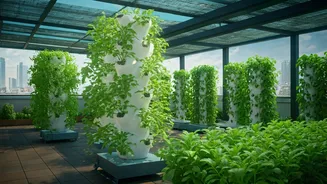
resilient communities, cities across the U.S. are embracing everything from balcony gardens to high-tech vertical farms. This green revolution has opened up a surprising and rewarding job market for people who want to blend a love of nature with the energy of city life. Two roles at the forefront of this movement are the Terrace Garden Consultant and the Hydroponic Technician—each offering a unique way to cultivate a greener urban future.
Path 1: The Terrace Garden Consultant
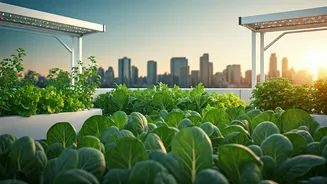
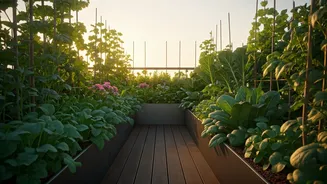
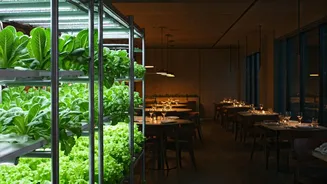
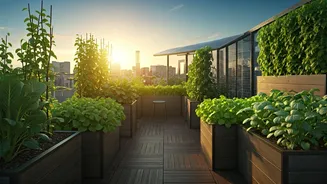
The Terrace Garden Consultant is an expert in small-space horticulture, specializing in bringing life to the underutilized spaces of city living: rooftops, balconies, patios, and window sills. This role is part designer, part botanist, and part project manager. Clients range from individuals in apartments looking to grow their own herbs to restaurants wanting a rooftop kitchen garden or corporations aiming to create a green oasis for employees. The consultant’s job is to assess the unique conditions of a site—sunlight, wind, water access, and weight-bearing capacity—and create a beautiful, functional, and sustainable garden plan. It’s a hands-on career that requires a deep understanding of plants and a creative eye for design.
What a Consultant Does Day-to-Day
A typical day might involve a site visit to measure a new client's balcony, drafting a planting plan that includes container choices and soil mixes, and sourcing plants from local nurseries. Consultants also educate their clients on proper care and maintenance, teaching them how to water, prune, and manage pests organically. For larger commercial projects, they might oversee installation crews and develop long-term maintenance schedules. Success in this field often comes from building a strong portfolio of beautiful, thriving gardens and generating word-of-mouth referrals. It's a role that rewards both horticultural knowledge and strong interpersonal skills.
Path 2: The Hydroponic Technician
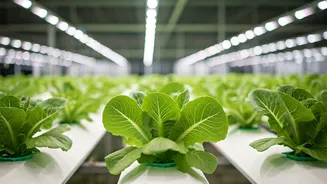
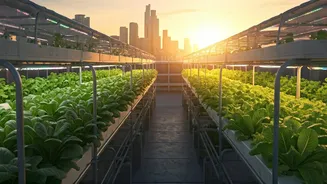
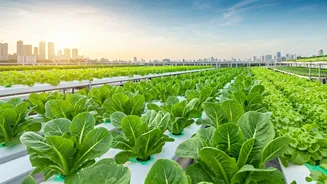
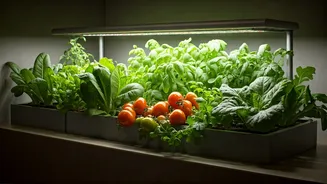
If the Terrace Garden Consultant works with the sun and soil, the Hydroponic Technician works with technology and precision. Hydroponics is a method of growing plants without soil, using nutrient-rich water solutions instead. Technicians are the backbone of indoor and vertical farms, which can operate year-round in warehouses, shipping containers, or basements. This role is perfect for someone who is detail-oriented, comfortable with technology, and fascinated by the science of plant growth. They manage the complex systems that control everything from lighting and nutrient levels to temperature and humidity, ensuring optimal conditions for crops like leafy greens, herbs, and tomatoes to flourish.
What a Technician Does Day-to-Day
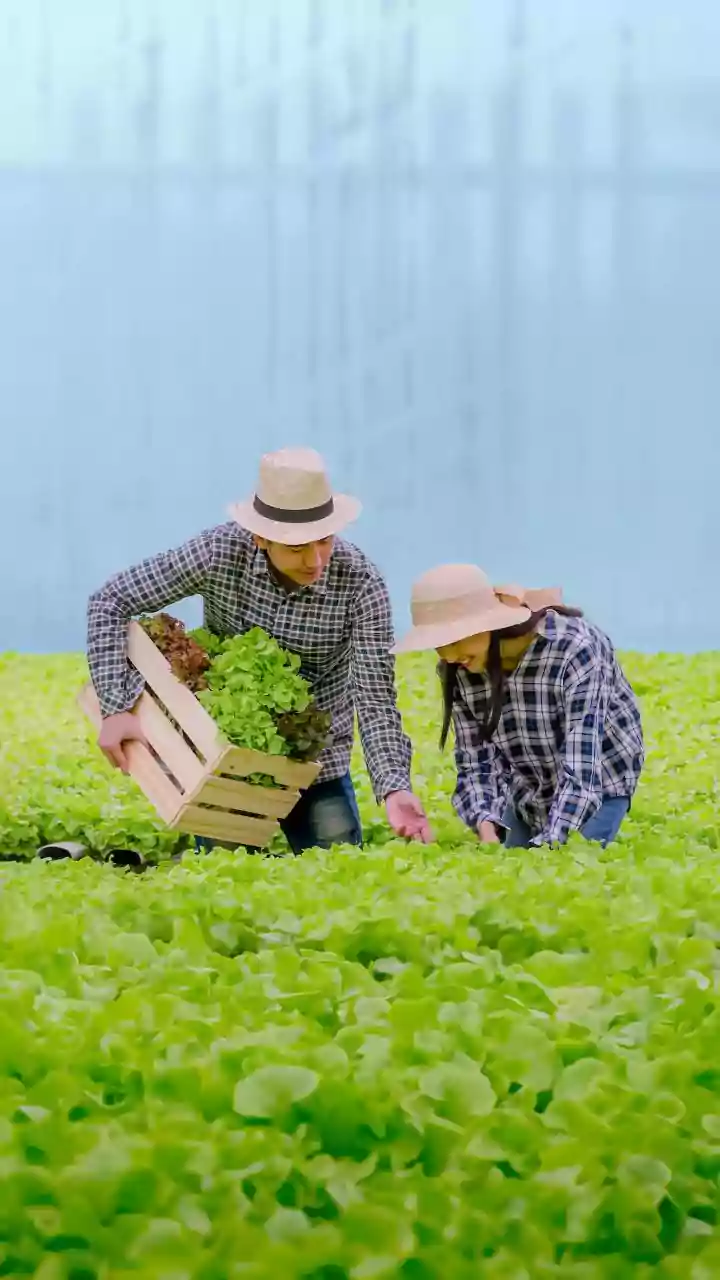
The daily routine of a Hydroponic Technician is centered on data and systems management. They monitor the nutrient and pH levels of the water, check for signs of plant stress or disease, calibrate sensors, and maintain the pumps and lighting systems. They are responsible for seeding, transplanting, and harvesting crops according to a strict schedule to ensure a consistent supply. Problem-solving is a huge part of the job; if a crop isn't thriving, the technician must diagnose the issue—be it a nutrient imbalance, a pest malfunction—and implement a solution quickly. It’s a scientific and technical role that is crucial to the efficiency and profitability of modern urban farms.
Skills and Getting Started
To become a Terrace Garden Consultant, a background in horticulture, landscape design, or botany is invaluable. Certifications, like those from a Master Gardener program, can build credibility. Practical experience is key, so start by transforming your own small space or volunteering at a community garden to build a portfolio. For a Hydroponic Technician, a degree in plant science, agriculture, or environmental science can be beneficial, but many successful technicians learn on the job. Look for internships or entry-level positions at vertical farms. Online courses in hydroponics and controlled environment agriculture (CEA) are also excellent ways to gain foundational knowledge. For both roles, a passion for problem-solving and a commitment to sustainability are essential.