


The Manali Conundrum
First, let’s be fair to Manali. For decades, this Himachali town was the stuff of legend—a haven for backpackers, honeymooners, and spiritual seekers journeying to the Indian Himalayas. It was the quintessential mountain escape, a jumping-off point for adventures
in the high-altitude deserts of Ladakh and Spiti. But success breeds crowds. Today, Manali’s main thoroughfares can feel more like a congested city market than a peaceful mountain retreat. The once-sleepy lanes are now lined with multi-story hotels, generic restaurants, and shops selling identical souvenirs. While the stunning mountain backdrop remains, the foreground is often a scene of frantic energy, loud music, and a tourism machine working at full tilt. For many travelers, the very peace they came to find has been pushed out by the sheer volume of visitors.
Enter Tirthan: The Valley of the River
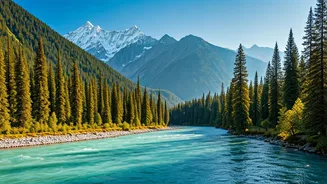
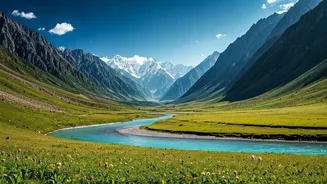
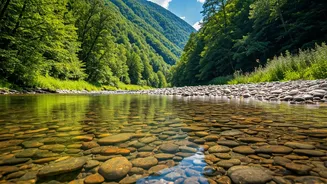
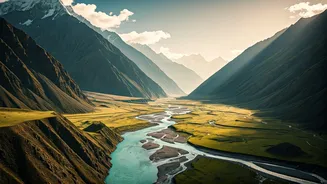
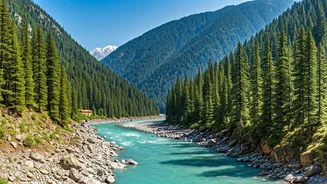
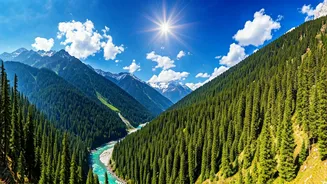
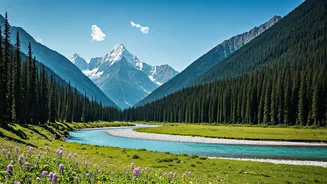
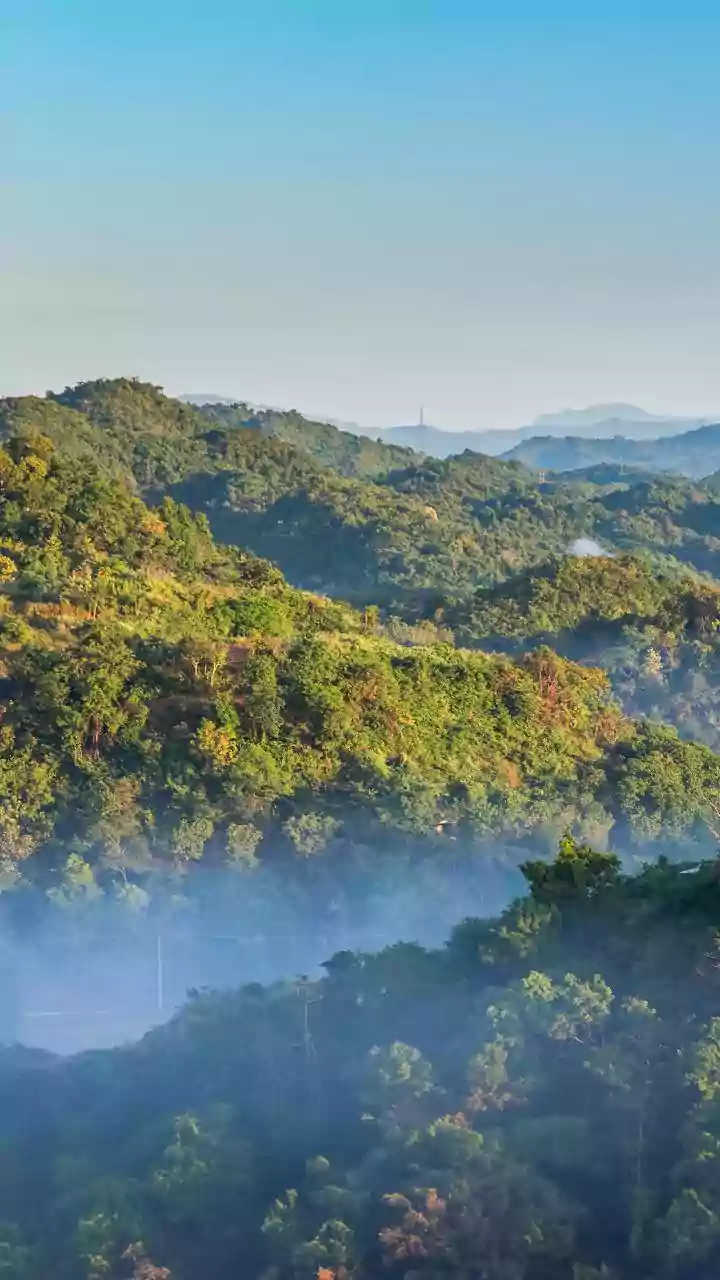
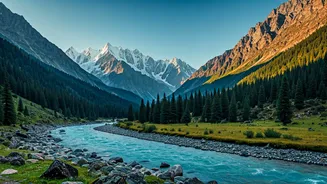
Roughly 60 miles south of Manali lies a different world. Tirthan Valley is not a single town but a string of small, riverside villages nestled along the Tirthan River. This pristine waterway, teeming with trout, flows down from the glacial heights of the Great Himalayan National Park (GHNP), a UNESCO World Heritage Site. This connection is key. The valley serves as the gateway to the park, and its entire ethos is shaped by conservation and eco-tourism. There are no sprawling resorts or noisy commercial strips here. Instead, the landscape is dotted with traditional wood-and-stone homes, apple orchards, and a handful of charming guesthouses and homestays that blend into the environment rather than dominate it. The valley’s soundtrack isn't traffic and nightlife; it's the constant, soothing rush of the river.
A Different Kind of To-Do List
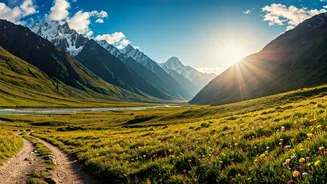
In Manali, activities can feel like a checklist: visit the Hadimba Temple, shop on Mall Road, get a photo at Rohtang Pass. In Tirthan, the agenda is refreshingly unstructured. The primary activity is simply being present. You might spend a day trekking to a hidden waterfall, learning the art of angling for brown and rainbow trout, or hiking to the breathtakingly beautiful Serolsar Lake from Jalori Pass. The area is a paradise for birdwatchers, with hundreds of species flitting through the deodar and pine forests. Instead of a hurried day trip, you can take a multi-day trek deep into the GHNP’s core zone, an experience that offers true wilderness solitude. Evenings are not for crowded bars, but for bonfires, stargazing, and sharing stories with your homestay hosts over a meal of freshly caught fish and locally grown vegetables.
The Ethos of Slow Travel
The fundamental difference between Manali and Tirthan is a matter of pace. Tirthan Valley champions slow travel. It encourages visitors to connect with the local culture, which is deeply rooted in the traditions of the Kullu region. The architecture, the food, and the community-run homestays are not just for show; they are an authentic part of life here. This isn’t a place you “do” in a weekend. It’s a place you settle into. You walk the village trails, you greet the shepherds, you learn the names of the trees. This immersive approach is a world away from the transactional nature of mass tourism. By staying in a family-run homestay, you’re not just a customer; you’re a guest contributing directly to the local economy and incentivizing the preservation of this fragile ecosystem.