





How Fat Became the Villain
For decades, fat was public enemy number one. The story, which took root in the mid-20th century, was simple and seductive: eating fat, particularly saturated fat, raises cholesterol and clogs your arteries, leading to heart disease. This led to the great
low-fat craze that dominated American supermarkets and kitchens from the 1980s through the early 2000s. Food manufacturers scrambled to strip fat from everything, from yogurt to salad dressing. The problem? When you remove fat, you often remove flavor and texture. To compensate, companies pumped these products full of refined carbohydrates, sugar, and salt. We diligently ate our fat-free snacks, but as a nation, we didn't get healthier. In fact, rates of obesity and type 2 diabetes continued to climb, prompting scientists and nutritionists to ask if they’d targeted the wrong dietary villain.
Not All Fats Are Created Equal
The turning point was the realization that lumping all fats into one evil category was a huge mistake. The real culprit in many processed foods, it turned out, were artificial trans fats (partially hydrogenated oils), which were conclusively linked to inflammation and heart disease and have since been largely banned by the FDA. The case against saturated fats, found in foods like butter, red meat, and coconut oil, has also become more nuanced. While major health organizations still recommend limiting them, the narrative has shifted from outright demonization to a more moderate approach, acknowledging that in the context of an overall healthy diet, they are less harmful than once believed. This opened the door for the true heroes of the story: unsaturated fats. These are the fats that are not just “not bad,” but are actively good for you.
Meet the Unsaturated All-Stars
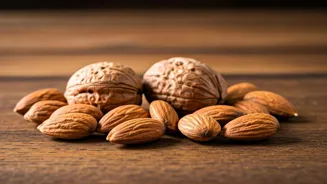
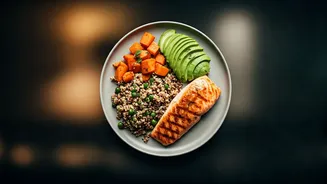
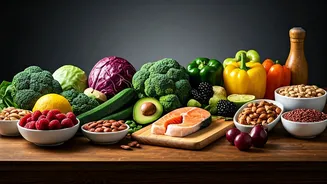
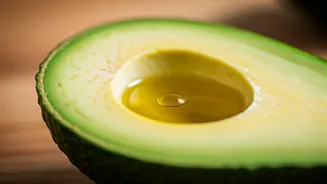
This is where the 'smarter' role comes in. Instead of just avoiding fat, the modern wellness approach is about actively seeking out the right kinds. There are two main types of these beneficial fats. First, monounsaturated fats, which are the stars of the famously heart-healthy Mediterranean diet. You'll find them in abundance in extra virgin olive oil, avocados, almonds, and cashews. Then there are polyunsaturated fats, which include the well-known omega-3 and omega-6 fatty acids. Your body can't make these, so you have to get them from food. Omega-3s, found in fatty fish like salmon, mackerel, and sardines, as well as in flaxseeds and walnuts, are lauded for their anti-inflammatory properties and role in brain health. These fats are essential for building healthy cells, maintaining brain and nerve function, and keeping your heart in good rhythm.
The New Job Description for Fat
The smarter role for fat goes beyond just heart health. We now understand that healthy fats are crucial for a host of bodily functions. One of their most immediate and noticeable benefits is satiety. Fat slows down digestion, helping you feel fuller for longer and stabilizing blood sugar levels. This can prevent the energy crashes and cravings that often follow a high-carb, low-fat meal. Furthermore, dietary fat is essential for absorbing fat-soluble vitamins—A, D, E, and K—which are vital for everything from vision and immunity to bone health and blood clotting. Without fat in your meal, these nutrients can pass through your body unabsorbed. Healthy fats are also the building blocks for hormones, including those that regulate metabolism and reproduction.
Putting It on Your Plate
Incorporating smarter fats doesn't require a radical diet overhaul. It’s about making simple, strategic swaps. Ditch the sugary, fat-free yogurt for a full-fat Greek yogurt topped with nuts. Instead of a processed granola bar, grab a handful of almonds or an apple with peanut butter. Dress your salads with a homemade vinaigrette using extra virgin olive oil instead of a store-bought creamy dressing. Try swapping one or two weekly meals of red meat for fatty fish like salmon. The most iconic modern example? Toast. Instead of butter and jam, mash half an avocado on a slice of whole-grain toast and sprinkle with a little salt and red pepper flakes. It’s a perfect example of a meal that delivers healthy fats, fiber, and sustained energy.