






More Than Just an Early Start
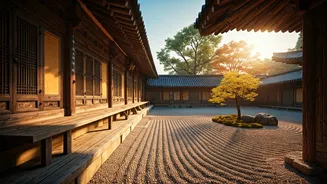
What exactly is the “quiet-morning travel mood”? It’s less of a strict itinerary and more of a mindset. Known in Korean as 'goyohan a-chim' (고요한 아침), or “quiet morning,” it’s the practice of intentionally seeking out serene, solitary experiences in the early
hours of the day. This isn’t about waking up at 5 a.m. to beat the lines at a famous landmark. Instead, it’s about savoring the peace that exists before the world fully wakes up. Imagine sipping a hand-drip coffee in a minimalist Seoul cafe as the sun rises, hiking a mountain path in a national park with only the sounds of nature for company, or watching the dawn break over a quiet East Sea beach. The goal isn't to 'do' things but to 'be'—present, mindful, and unhurried. It’s a deliberate pivot away from the high-energy, group-oriented activities that often dominate travel, offering a moment of personal reflection and connection with one's surroundings.
An Antidote to 'Palli-Palli' Culture
To understand the appeal of the quiet morning, you have to understand the culture it’s reacting against. South Korea is famous for its “palli-palli” (빨리빨리), or “hurry, hurry,” culture. It’s a societal ethos of speed and efficiency that has helped fuel the nation’s rapid economic development but has also contributed to high levels of stress and burnout. In a society that often seems to run at maximum speed, the quiet morning is a radical act of slowing down. This trend is a form of cultural self-care, a way for Koreans, particularly younger generations, to reclaim their time and mental space. In a world of constant connectivity and social pressure, the intentional solitude of an early-morning temple visit or a solo walk through an ancient palace offers a powerful release. It’s a quiet rebellion against the expectation to always be productive, social, and moving forward at a breakneck pace—a sentiment that deeply resonates with American audiences grappling with their own version of hustle culture.
Where the Quiet Mood Comes to Life
This travel style can be practiced anywhere, but certain spots in South Korea have become synonymous with the quiet-morning mood. Temple stays, offered at historic Buddhist temples across the country, are a popular choice. Participants follow the monastic schedule, waking before dawn for silent meditation and simple meals, providing a structured immersion into tranquility. For those seeking nature, national parks like Bukhansan just outside Seoul or Seoraksan on the east coast offer countless trails where an early start guarantees solitude and breathtaking views. Coastal cities like Gangneung, famous for its coffee culture and serene beaches, are ideal for watching the sunrise. Even within the sprawling metropolis of Seoul, one can find this peace. The city’s many historic palaces, like Gyeongbokgung or Changdeokgung, are nearly empty in the first hour after they open, allowing for a contemplative walk through centuries of history without the crowds.
Why the World Is Tuning In
The quiet-morning trend is catching on internationally because it taps into a universal desire. In the wake of a global pandemic that forced a worldwide pause, many travelers are re-evaluating what they want from a vacation. The appeal of over-tourism and a checklist of Instagrammable spots has faded, replaced by a search for more meaningful, restorative, and personal experiences. The South Korean quiet-morning mood provides a perfect template. It’s not a commercialized package tour but a deeply personal, accessible form of wellness. It doesn’t require expensive gear or exclusive access—just an alarm clock and the willingness to embrace stillness. As images of misty mountains, serene temples at dawn, and quiet, artfully designed cafes fill social media feeds, they aren't just selling a destination; they’re selling a feeling—one of peace, clarity, and a much-needed break from the noise of modern life.