





Cut: Tame Your Landscape
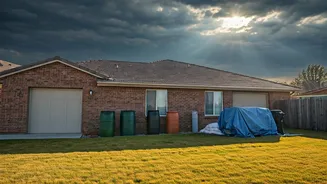
The first step in monsoon prep starts in your own yard. The powerful winds that accompany these storms, known as outflow boundaries, can exceed 60 mph and turn unsecured objects into dangerous projectiles. Your primary task is to survey your property
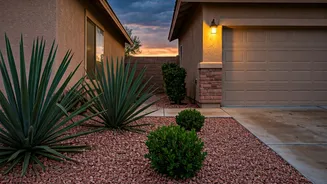
for anything that high winds could lift, move, or break. Start with your trees and large shrubs. Look for dead, cracked, or weak branches, especially on trees near your home, power lines, or parked cars. Have them professionally trimmed before the season begins. A healthy, well-pruned tree is more likely to withstand the force of a storm. Next, address loose items. Patio furniture, grills, trampolines, potted plants, and even children’s toys should have a designated, secure storage spot. If you can’t bring items indoors, anchor them securely. A trampoline can easily become airborne in a severe downdraft, causing immense damage. Think of it as battening down the hatches on a ship—anything not tied down is a potential liability.
Clean: Clear the Path for Water
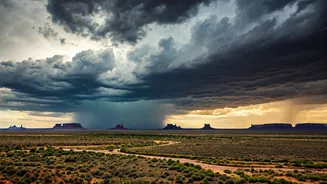
Monsoon storms are famous for dropping a massive amount of rain in a very short time, overwhelming dry, hard-baked soil and leading to dangerous flash floods. While you can't stop the deluge, you can ensure the water has a clear path away from your home. Begin by cleaning your roof’s gutters and downspouts. A year’s worth of leaves, twigs, and debris can create a dam, forcing water back under your shingles and into your attic or walls, leading to costly water damage and mold. Extend this cleaning effort to the ground level. Rake away debris from drainage areas, washes, and any channels on your property designed to carry water away. Make sure water can flow freely from your downspouts and away from your foundation. It’s also wise to check your window wells for debris. Finally, “cleaning” also applies to your emergency plan. This is the time to clean out your emergency kit, replacing expired batteries, food, and water. Ensure you have flashlights, a first-aid kit, a weather radio, and any necessary medications ready to go in case of a power outage, which is a common occurrence during these storms.
Breathe: Safeguard Your Air
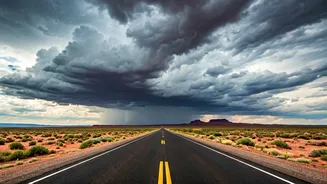
The most visually stunning and hazardous feature of the monsoon for many is the haboob—a colossal wall of dust that can stretch for miles and rise thousands of feet. These dust storms can reduce visibility to zero in seconds and carry a cocktail of dust, pollen, fungi, and pollutants that pose a serious respiratory risk. Preparing to breathe safely is non-negotiable. Your first line of defense is your home. Check the seals on all windows and doors to ensure they close tightly. Any gaps will allow fine dust to infiltrate your house, coating every surface and lingering in the air. Consider upgrading your HVAC system’s air filter to one with a MERV (Minimum Efficiency Reporting Value) rating of 11 to 13, which is more effective at capturing fine airborne particles. When a dust storm is approaching, turn off your air conditioning unit to avoid pulling in dusty outside air. If you are caught driving in a haboob, the official advice is simple and life-saving: Pull Aside, Stay Alive. Pull your vehicle as far off the pavement as possible, turn off all lights (so other drivers don't follow you into a collision), and keep your foot off the brake. Wait for the storm to pass before proceeding.