


From Necessity to a New Ritual
It all started as a matter of necessity. When lockdowns sent millions of Americans to work from home, the daily coffee run vanished overnight. What began as a desperate attempt to replicate a morning staple quickly evolved into something much more profound.
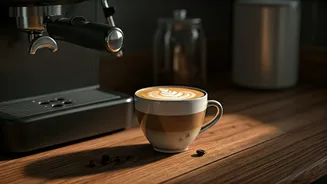
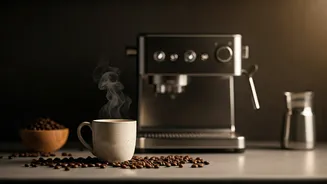
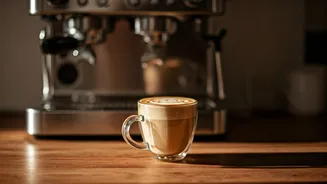
People didn't just want coffee; they wanted the *experience*. They missed the hiss of the steam wand, the aroma of freshly ground beans, and the small sense of accomplishment that comes with a perfectly crafted drink. This sparked a massive surge in sales for high-end home coffee equipment. Retailers saw espresso machines, burr grinders, and milk frothers fly off the shelves. But what kept the trend going, long after offices began to reopen, was the discovery of a new, deeply personal ritual. Making coffee at home became a moment of mindful craft in an otherwise chaotic world—a ten-minute daily practice that was entirely within our control.
The Rise of the Kitchen 'Coffee Corner'
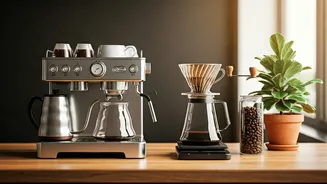
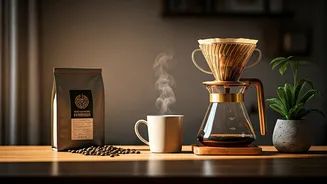
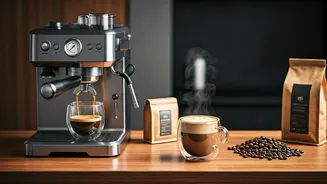
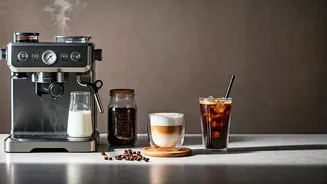
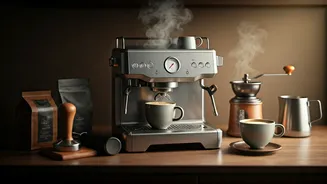
Walk into many American homes today, and you’ll find it: the dedicated “coffee corner.” It’s more than just a drip machine tucked away by the toaster. It’s a curated space, an aesthetic statement. You’ll see gleaming prosumer espresso machines once reserved for small cafes, sleek gooseneck kettles for precise pour-overs, and scales accurate to a tenth of a gram. The countertop might feature a collection of artisanal mugs, canisters of single-origin beans from a subscription service, and a neat row of flavored syrups. This setup is about replicating the sensory experience of a third-wave coffee shop. It’s a hobby that’s both functional and visual, turning a mundane part of the morning into an act of personal expression. Social media is filled with images of these setups, further fueling the aspiration to create a personal caffeine sanctuary.
The New Math of Your Morning Latte
Let’s talk numbers, because the financial argument is a powerful driver of this trend’s staying power. A high-quality home espresso setup can feel like a steep investment, with entry-level machines and grinders easily costing $500 to $1,000 or more. The sticker shock is real. However, the long-term math is compelling. A daily latte habit can cost anywhere from $5 to $7, adding up to over $1,800 a year. When you brew at home, the cost per drink plummets. A double shot of espresso using high-quality specialty beans costs roughly 50 to 75 cents. Even with the price of milk, a homemade latte rarely exceeds $1. For a two-latte-a-day household, the equipment can pay for itself in under a year. This shift transforms coffee from a daily micro-expense into a smart, one-time investment in lifestyle and quality, freeing up cash for other things—or for splurging on even better coffee beans.
The Coffee Shop's Evolving Role
Does the home barista boom spell doom for the local coffee shop? Not at all. Instead, it’s changing our relationship with them. Cafes are no longer just functional pit stops for a caffeine fix; they are re-centering on their role as the “third place”—a social hub outside of home and work. People now visit coffee shops for different reasons: to meet friends, to get out of the house, or to experience a professional barista’s unique skill and access to equipment or beans they don’t have at home. The coffee shop has become less of a daily necessity and more of a deliberate destination. This may mean fewer transactional morning rushes, but it also creates an opportunity for cafes to deepen their connection with customers who are now more educated and appreciative of the craft than ever before.