





The Land of Liquid Gold
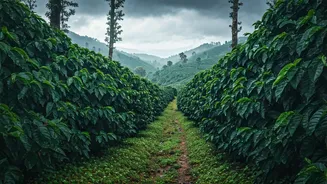
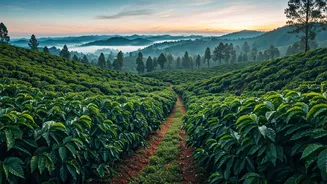
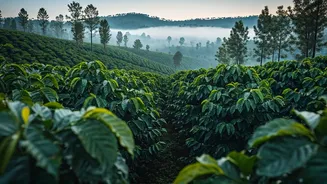
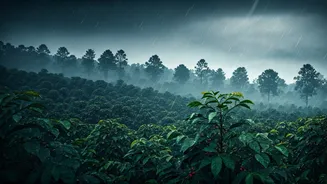
You can’t talk about Coorg without talking about coffee. This isn’t just a crop here; it’s the region’s lifeblood and its defining scent. The rolling hills of the Kodagu district in Karnataka are blanketed with sprawling coffee plantations, many of which
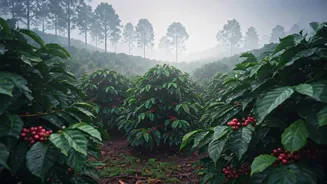
have been passed down through generations. The story of Coorg is written in the glossy, dark green leaves of Arabica and Robusta plants, cultivated under the shade of towering rosewood and jackfruit trees. A drive through the region is a journey through a fragrant world. In the blooming season, the air is thick with the sweet, jasmine-like scent of coffee blossoms. Later, the branches hang heavy with berries that ripen from green to a brilliant crimson. For visitors, the experience goes far beyond a morning cup. Many plantations have opened their gates, offering tours that walk you through the entire bean-to-cup process, from picking the cherries to the final roasting. It’s an education in terroir, revealing how this specific patch of earth imparts its unique flavor into every sip.
An Ode to the Monsoon
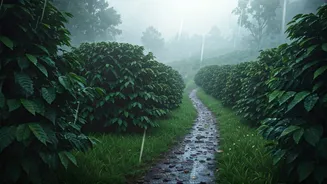
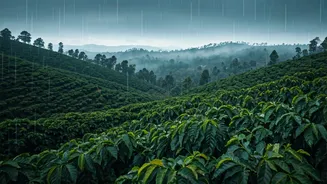
For much of the world, rain is an inconvenience—something that cancels plans and drives people indoors. In Coorg, the monsoon is the main event. From June to September, the heavens open up, and the entire landscape is reborn. The rain isn’t a dreary drizzle; it’s a dramatic, life-giving force that washes the dust from the leaves, swells the rivers, and turns waterfalls like Abbey and Iruppu Falls into thundering spectacles. This is when Coorg’s true magic is revealed. The color palette shifts to a thousand shades of green, so vibrant it almost hurts the eyes. The soundscape is a constant, soothing symphony of water—dripping from leaves, rushing in streams, and drumming against the terracotta-tiled roofs of traditional homes. It’s the perfect excuse to find a cozy homestay, curl up on a veranda with a book, and watch the world outside become lush and renewed. The rain doesn’t dampen the spirit of Coorg; it is the spirit.
A Kingdom in the Clouds
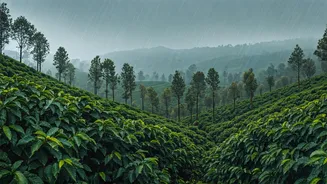
If coffee is Coorg’s scent and rain is its soundtrack, then fog is its soul. As the moisture-laden air cools, a thick, ethereal mist rolls in, blanketing the valleys and wrapping the hills in a soft, white shroud. It moves silently, transforming familiar landscapes into mysterious, dreamlike scenes. One moment, you’re looking at a panoramic view of distant mountains; the next, you’re enveloped in a cloud, with the world reduced to just a few feet around you. This phenomenon is the star attraction at places like Raja's Seat, a garden in the town of Madikeri that was once a favored spot for the kings of Kodagu. As the sun sets, crowds gather to watch the valley below fill with mist, creating the illusion of a vast, churning sea of clouds. The fog is a powerful reminder of nature’s quiet dominance here. It encourages you to slow down, to look closer, and to appreciate the beauty in what is hidden as much as what is revealed.
Where Culture Meets Climate
The irresistible pull of Coorg isn’t just about its natural elements; it’s about how they’ve shaped a unique way of life. The local Kodava people, known for their martial history and distinct culture, have a deep connection to this land. Their cuisine is a reflection of the climate and the local produce, featuring foraged mushrooms, bamboo shoots, and hearty dishes like the famous pandi curry (pork curry), a rich, spiced dish that’s the perfect antidote to a cool, rainy evening. Staying in a plantation homestay is perhaps the best way to immerse yourself in this world. These are not sterile hotels but welcoming family homes where you can wake up to the sounds of the forest, learn the secrets of local cooking, and hear stories of the land from the people who know it best. It’s here that the separate threads of coffee, rain, and fog weave together into a single, cohesive experience—one of warmth, tranquility, and a deep, abiding connection to nature.