



Why Humidity Is the Enemy
Think of humidity as a superhighway for foodborne pathogens. Bacteria, molds, and yeasts thrive in warm, moist environments. During a monsoon or any period of high humidity, the air itself provides the perfect conditions for these microorganisms to multiply
rapidly. Surfaces that seem dry can harbor a thin, invisible film of moisture, turning your countertops, cutting boards, and utensils into breeding grounds. The food safety “danger zone”—between 40°F and 140°F, where bacteria grow fastest—becomes even more perilous. Food left out for even a short period can become a risk much faster than it would in a dry climate. This isn't about being alarmist; it's about understanding that the environment itself is working against your normal food safety routines.
Upgrade Your Hygiene Habits
The first line of defense is doubling down on cleanliness. Because moisture is everywhere, your standard practices need a boost. Start with your hands, washing them with soap and water before, during, and after handling food, perhaps more frequently than you normally would. Pay special attention to your kitchen surfaces. After cleaning with soap and water, consider using a food-safe sanitizing solution on cutting boards and countertops, especially after they’ve come into contact with raw meat, poultry, or seafood. Don’t let damp cloths or sponges sit around; they are bacteria magnets. Use fresh ones daily or switch to paper towels for cleaning up spills. Finally, keep raw and cooked foods strictly separate to prevent cross-contamination, which is a greater risk when airborne moisture can help pathogens travel.
Master Your Fruits and Vegetables
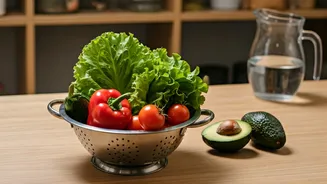
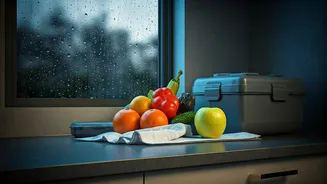
Produce is particularly vulnerable during humid seasons. The excess moisture can accelerate spoilage and encourage mold growth. For leafy greens and other vegetables, it’s critical to wash them thoroughly under running water. Some experts in monsoon-prone regions even recommend a brief soak in a light vinegar or salt solution to help kill surface pathogens, followed by a thorough rinse. The most important step, however, is drying. Pat vegetables and fruits completely dry with a clean cloth or paper towels before storing them. Storing damp produce in a plastic bag is a recipe for a slimy mess. For items stored at room temperature, like onions and potatoes, ensure they are in a well-ventilated area to combat the damp air.
Embrace the Power of Heat
The second half of the headline’s advice—“heat”—is non-negotiable. Cooking food to the proper internal temperature is always important, but it’s especially crucial when ambient bacteria levels are high. Use a food thermometer to ensure you’re hitting the safe minimum temperatures: 165°F for poultry and all leftovers, 160°F for ground meats, and 145°F for fresh meat steaks, chops, and roasts. When it comes to leftovers, don’t just warm them up; reheat them thoroughly until they are steaming hot (165°F) to kill any bacteria that may have started to grow during storage. The same goes for street food or takeout. If it’s not piping hot when you get it, it’s best to reheat it at home before eating to be on the safe side.
A Note on Water and Leftovers
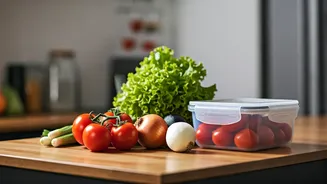
In many parts of the world, monsoons can compromise water supplies. While most municipal water in the U.S. remains safe, those with well water should be extra cautious after heavy rains or flooding. If you have any doubts, boiling your water for at least one minute is the surest way to purify it. When it comes to leftovers, the rules become stricter in high humidity. The two-hour rule for leaving food out at room temperature should be considered an absolute maximum, and in very hot, humid kitchens, it may be safer to reduce that to one hour. Cool leftovers quickly by dividing them into shallow containers and refrigerating them promptly. When in doubt, throw it out. It’s far better to waste a small amount of food than to risk a foodborne illness.