


The Retreat from Complication
For years, the path to culinary relevance seemed to be paved with complexity. Think ghost pepper-infused aioli, deconstructed everything, and menus that read like a global scavenger hunt. While innovation keeps the food world exciting, a growing fatigue
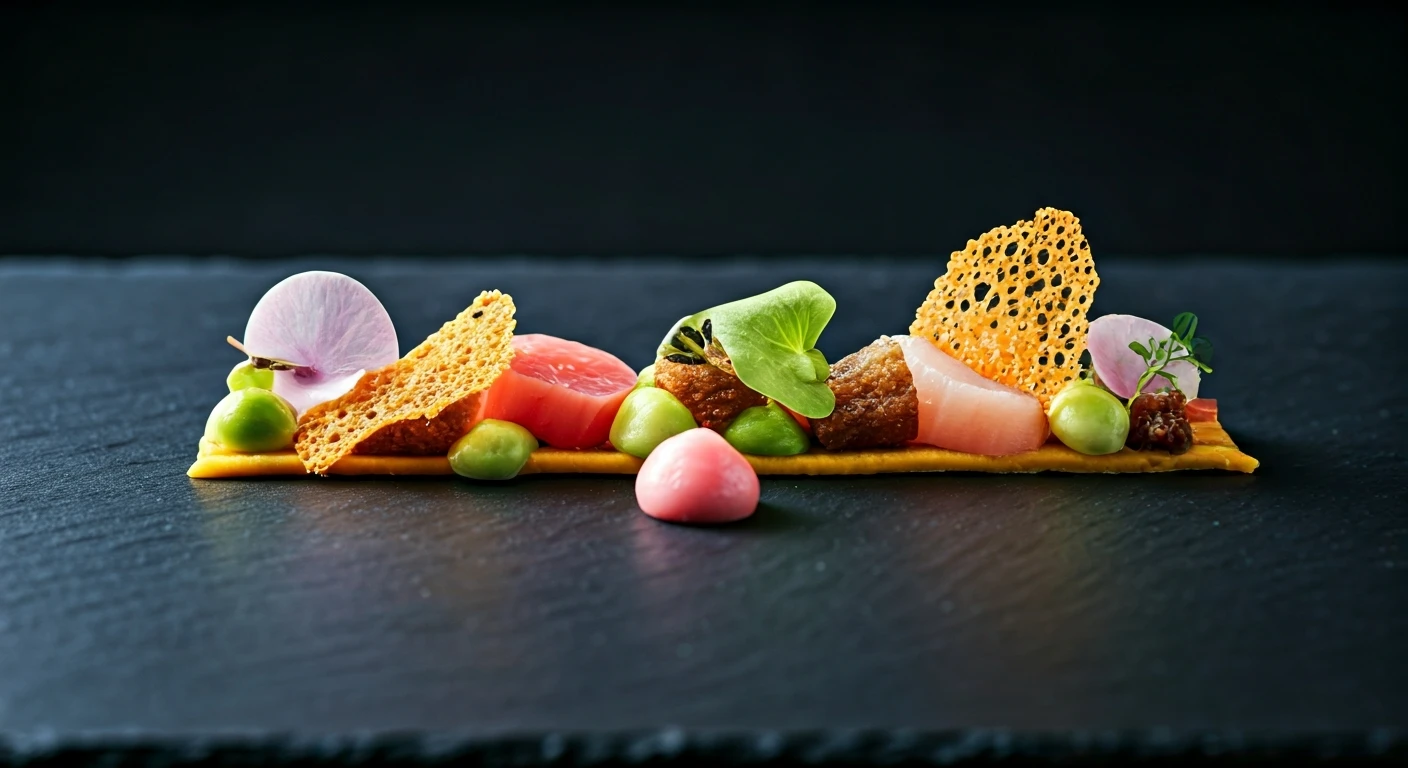
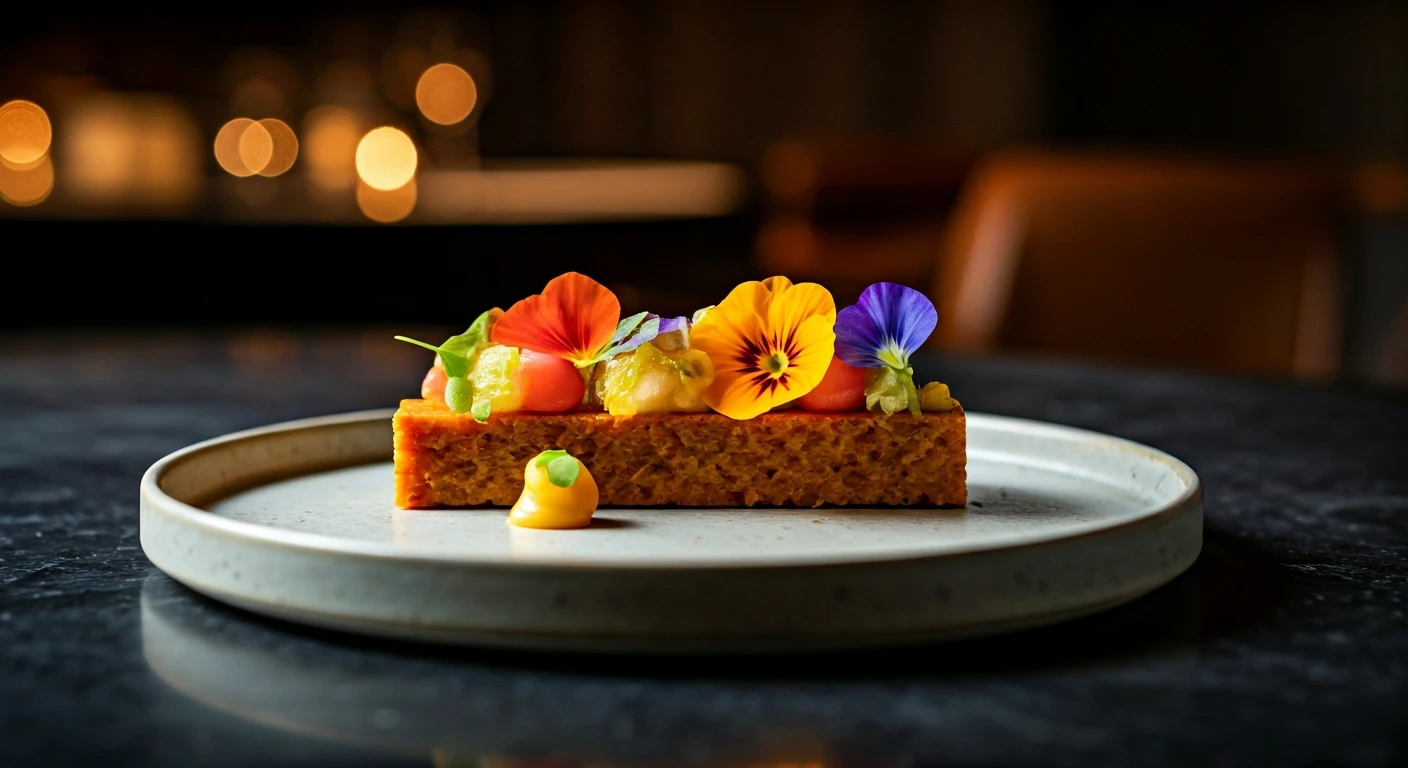
has set in. Diners and shoppers are increasingly drawn to something more grounded, more confident, and—frankly—more satisfying. Enter the revival of the classic. This isn't about bringing back dusty, uninspired recipes from a 1950s cookbook. It’s about taking a flavor everyone understands—vanilla, chocolate, strawberry, a simple dill pickle—and treating it with the reverence once reserved for yuzu or black truffle. The new benchmark for excellence isn’t how many exotic ingredients you can cram into a dish, but how perfectly you can execute a single, beloved idea.
Why We Crave the Familiar, Perfected
So, why now? Part of this trend is psychological. In an era of social, political, and economic uncertainty, comfort is a powerful currency. The familiar flavors of childhood offer a sense of stability and reassurance. A perfectly made chocolate chip cookie or a classic cheeseburger can feel like a small anchor in a turbulent world. But it’s more than just a security blanket. There’s a connoisseurship emerging around the basics. The same discerning palate that once sought out the most obscure natural wine is now applying that scrutiny to the humble fried chicken sandwich. This movement is about honoring the integrity of an ingredient. It’s a quiet rebellion against the idea that more is always better. Instead, the focus shifts to sourcing: the creamery that provides the milk for an exceptional vanilla ice cream, the farm that grows the potatoes for the perfect French fry, the baker who has mastered the ideal brioche bun. The story is no longer about the chef’s globetrotting inspiration but about their dedication to perfecting a craft.
What 'Sharper Execution' Looks Like
The “sharper execution” is where this trend truly comes alive. It's the difference between a forgettable, greasy-spoon burger and the meticulously constructed smash burger that has become a modern icon. Both are burgers, but one is a commodity and the other is an experience. The latter features a precise meat-to-fat ratio, a specific griddle temperature to achieve that crispy-edged “maillard” crust, a perfectly melted slice of American cheese, and a potato roll that’s soft yet structurally sound. Consider the simple cocktail. Bar menus are increasingly highlighting flawlessly made classics—the Negroni, the Old Fashioned, the Daiquiri—over gimmicky concoctions with ten ingredients. The 'sharp execution' here lies in the quality of the spirit, the precise dilution from stirring with good ice, the freshness of the citrus, and the perfect balance of sweet and bitter. It’s an exercise in restraint and mastery, proving that a familiar recipe can feel revelatory when done right.
From Restaurants to the Grocery Aisle
This isn't just a fine-dining phenomenon. The trend is cascading down into fast-casual chains and the products on our supermarket shelves. You see it in the rise of premium potato chip brands focusing on simple sea salt or vinegar, but using better oils and thicker-cut potatoes. You see it in the explosion of “small batch” ice creams where the star is not a chaotic mix of candy bar pieces, but an intensely flavorful strawberry or an unadulterated dark chocolate. Consumer packaged goods companies have noticed. They are launching 'heritage' or 'classic' lines that promise a return to simpler recipes with higher-quality ingredients—real cane sugar instead of corn syrup, for example. This is a direct appeal to a consumer who is tired of reading a long list of artificial additives and is willing to pay a little more for something that tastes authentic and well-made. The winning proposition is no longer novelty, but a promise of quality and flavor you can trust.