



From Ghee and Sugar to Seeds and Sprouts
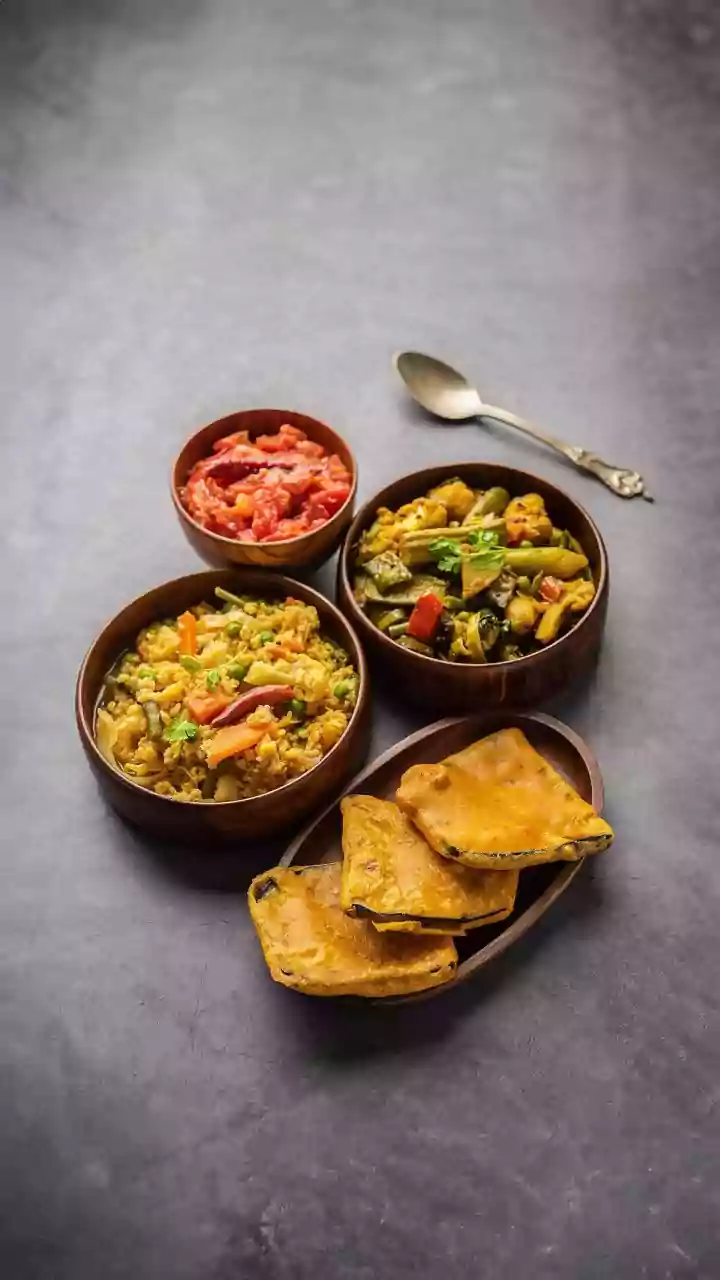
For generations, the ultimate food flex in India was abundance and richness. Feasts were defined by ghee-laden curries, mountains of fragrant rice, and decadent, sugar-soaked sweets. These dishes signified prosperity, generosity, and celebration. To be
able to afford and serve such calorie-dense food was a clear indicator of social standing. But among a growing, influential segment of the population, the pendulum is swinging dramatically in the other direction. The new aspiration isn’t about rich indulgence; it’s about mindful, and often expensive, restraint. Today, a status-symbol meal might be a quinoa salad, a bowl of steel-cut oats with imported berries, or a rustic-looking bread made from millet flour. The flex has shifted from “I can afford this luxury” to “I am disciplined, informed, and invested in my long-term health.”
The Rise of the Wellness-Conscious Urbanite
This cultural shift is being driven by India’s expanding urban middle and upper classes. Living in bustling metropolises like Mumbai, Delhi, and Bangalore, this demographic is more globally connected and health-aware than any previous generation. They’re exposed to the same wellness influencers, Netflix documentaries, and health trends that populate American social media feeds. Simultaneously, they are confronting a well-documented rise in lifestyle diseases like diabetes and heart disease, often linked to sedentary jobs and changing diets. In response, they are actively seeking ways to manage their health, and food is the primary frontier. This conscious consumer is willing to pay a premium for products labeled “organic,” “gut-friendly,” “low-GI,” or, most prominently, “high-fiber.” Eating this way is not just a health choice; it’s a statement of identity for a modern, global Indian.
It's Not Your Grandma's Fiber
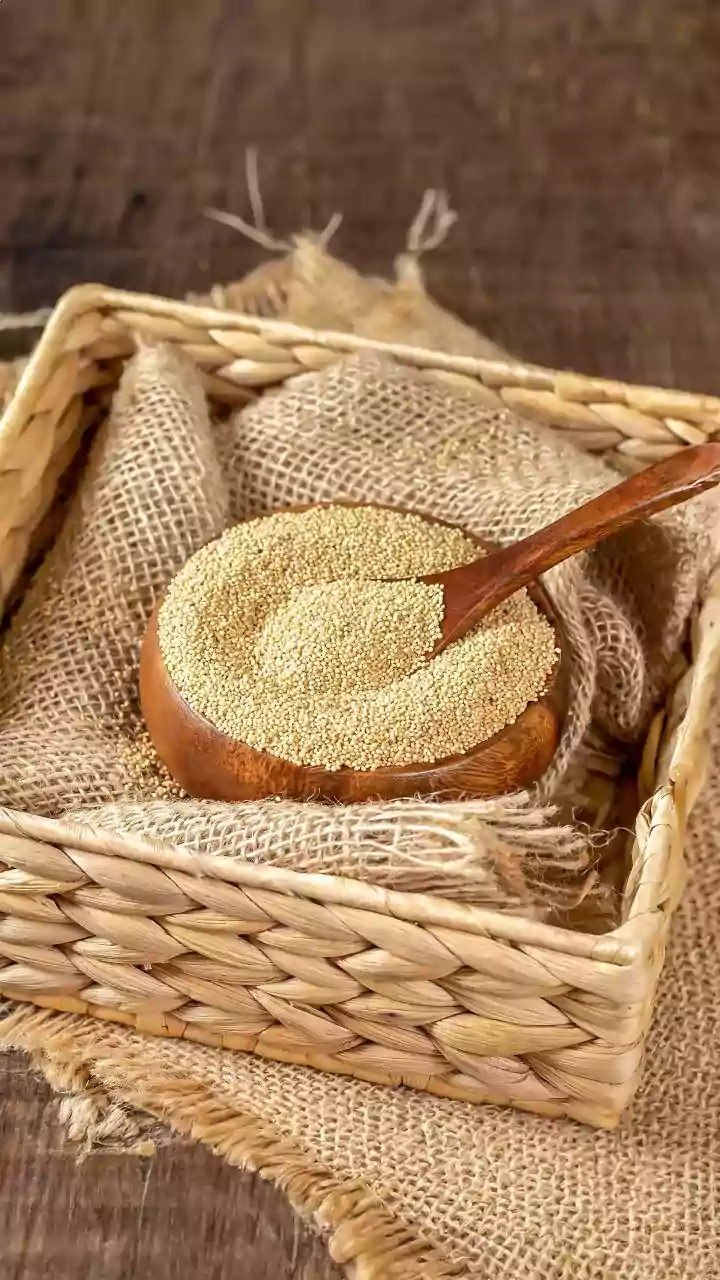
To be clear, traditional Indian diets are often naturally rich in fiber, thanks to staples like lentils (dal), chickpeas, and whole-wheat flatbreads (roti). The new trend, however, is about the conscious branding and novel presentation of fiber. The buzz isn’t around the humble lentil, but around specific, often premium, ingredients. This includes imported superfoods like chia seeds and oats, which have become breakfast staples in affluent households. More interestingly, it has sparked a major revival of indigenous ancient grains. Millets—such as ragi, jowar, and bajra—were once considered rustic, rural fare. Now, they are being rebranded by the government and food-tech startups as gluten-free, high-fiber superfoods. You can now find millet-based pasta, dosa mix, and even cookies in gourmet stores, positioned as a healthier, and more authentically Indian, alternative to wheat and rice.
The Thriving Business of Healthy Eating
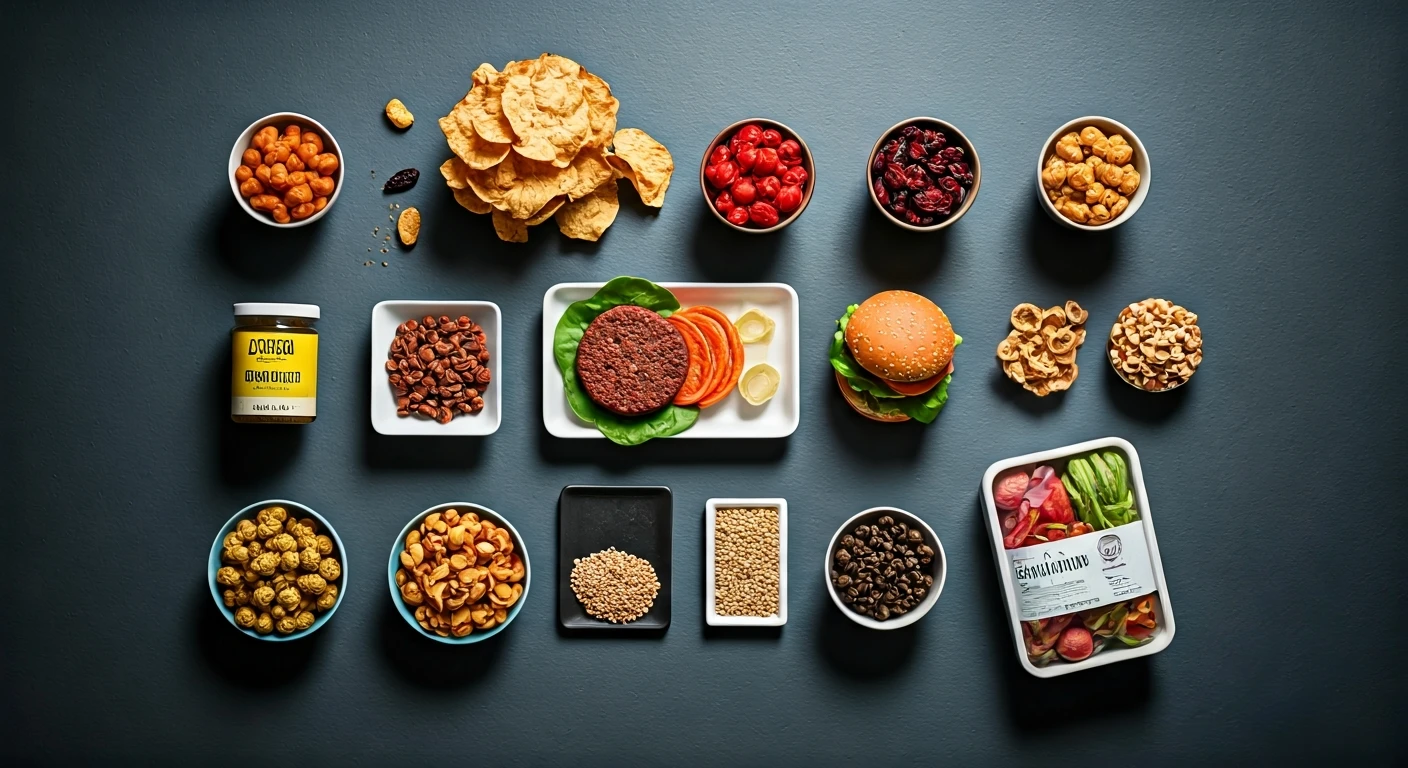
Where there’s a trend, there’s a market, and the business of wellness in India is booming. A whole ecosystem has sprung up to cater to the fiber-conscious consumer. Health-focused cafes with menus boasting avocado toast on sourdough and millet bowls are packed on weekends. Direct-to-consumer (D2C) brands are flooding Instagram with aesthetically pleasing packages of granola, muesli, and seed mixes. Supermarket aisles are now dedicating significant shelf space to “health foods,” where a box of millet flakes can cost three times as much as traditional puffed rice. The marketing language speaks directly to the new consumer anxiety and aspiration, promising not just nutrition but a better, more controlled, and more successful life. In this context, a high-fiber diet becomes a tool for self-optimization—a tangible way to invest in oneself.