

The Old Way: Slow and Stale
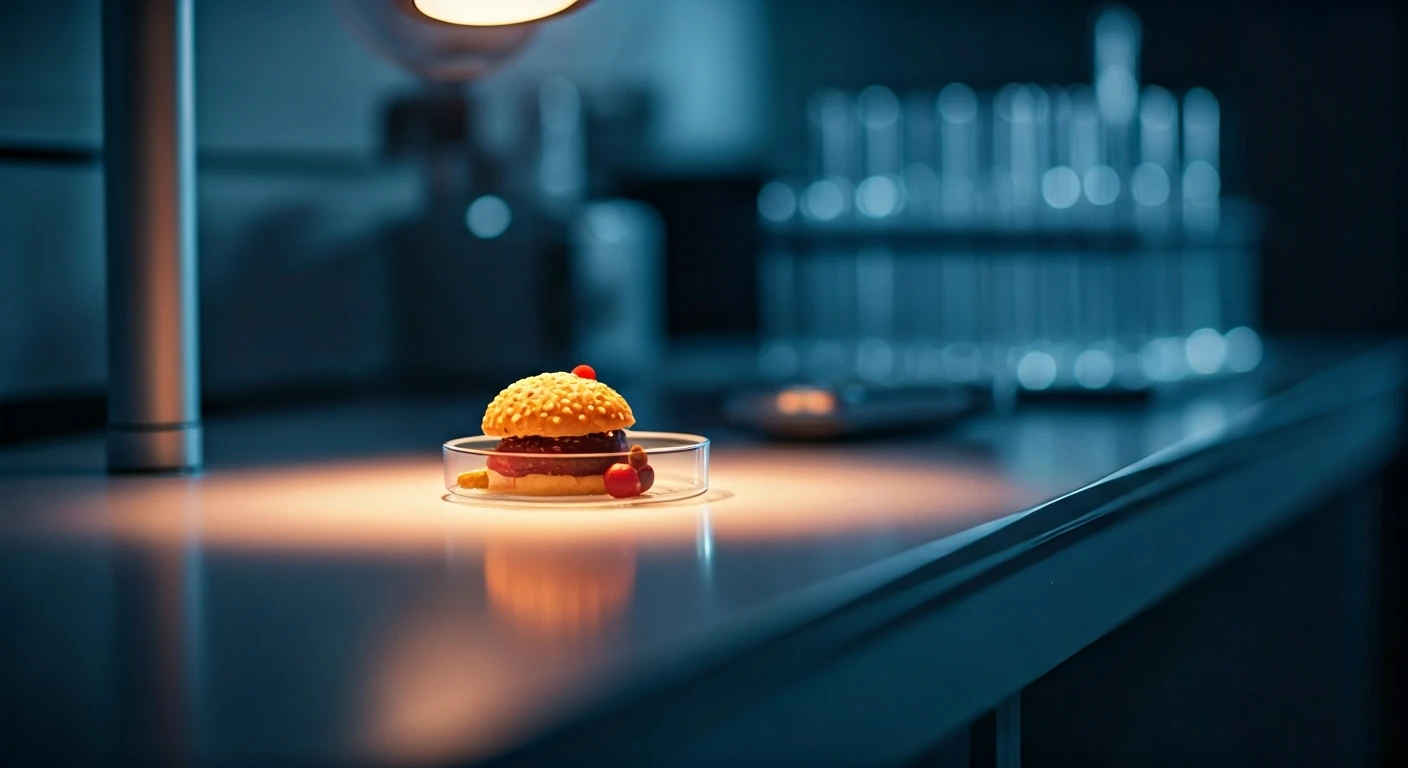
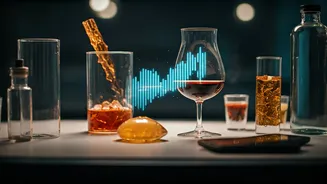
For decades, launching a new food product was a painfully slow and expensive gamble. A big consumer packaged goods (CPG) company might spend months, even years, in development. The process was cloistered and methodical: chemists in a lab would formulate
a new flavor of chip, then the company would spend a fortune on traditional market research. This meant recruiting people for sterile focus groups, paying them to sit in a room with a two-way mirror, and asking them to fill out surveys about 'mouthfeel' and 'purchase intent.' By the time the data was analyzed and the product finally hit shelves 18 months later, the consumer trend it was trying to capture might have already faded. It was a system built for a slow-moving world, one that left companies guessing about what customers would actually buy once the product was sitting under the harsh fluorescent lights of a grocery store.
The New Lab: The Expo Floor
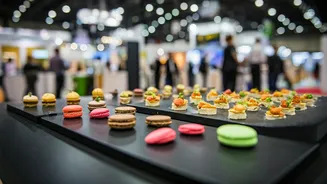
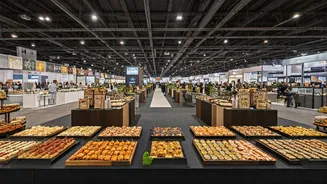
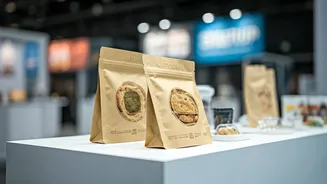
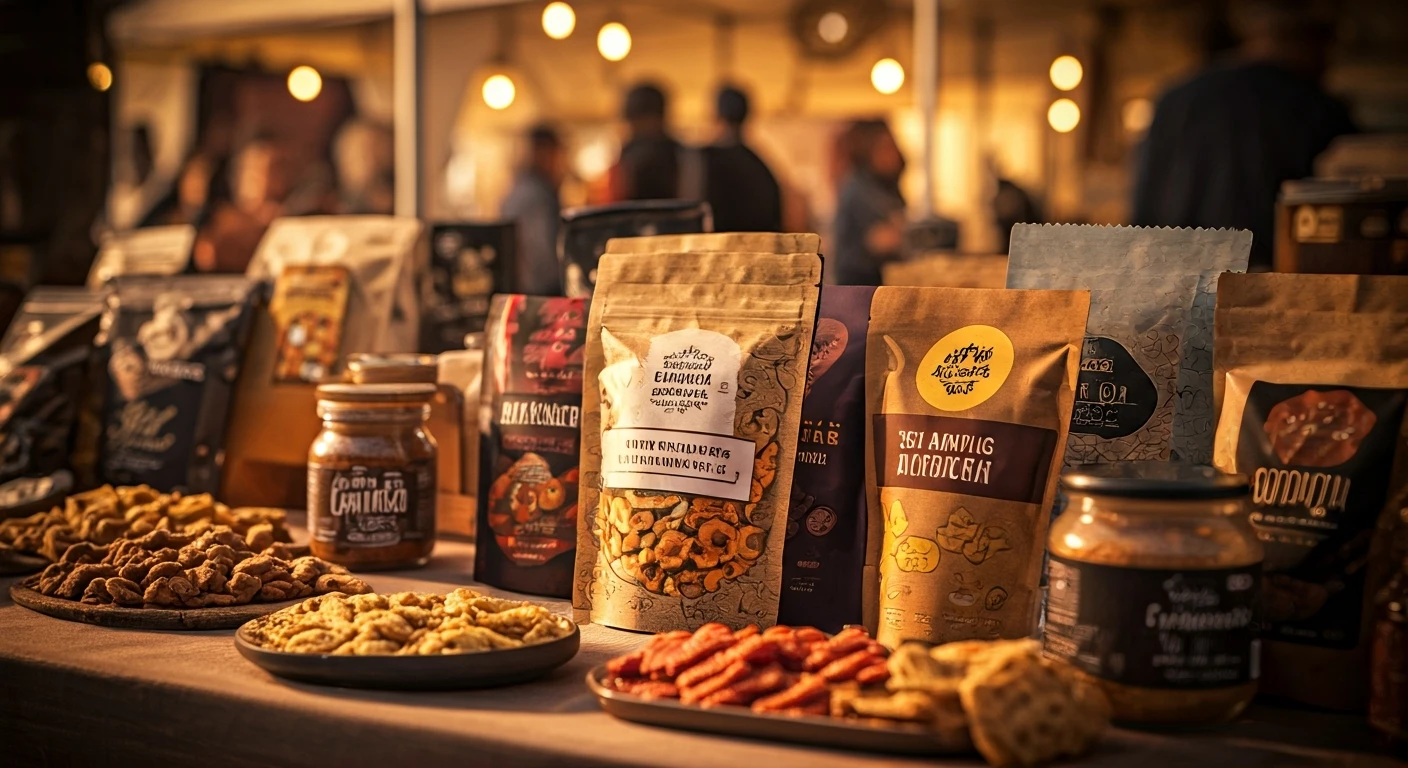
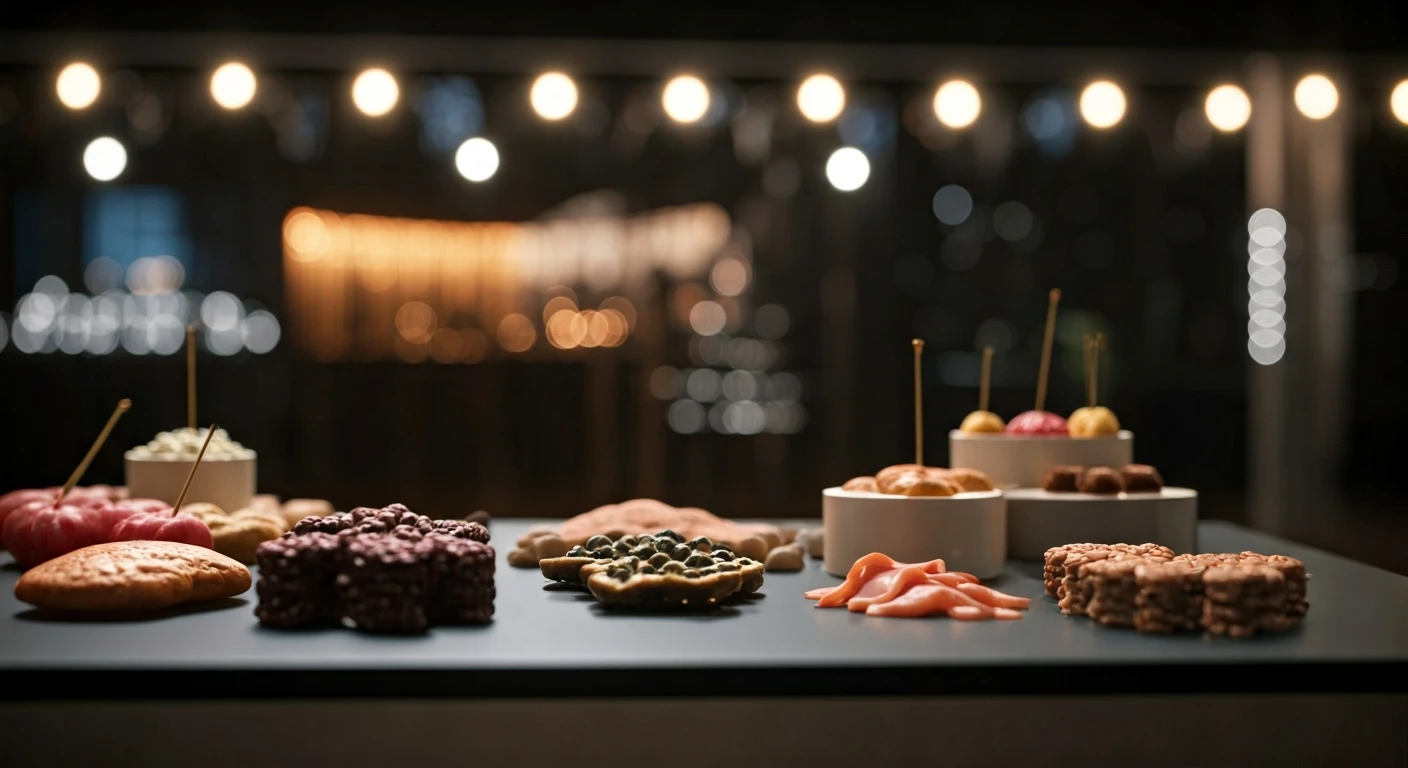
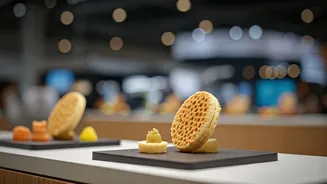
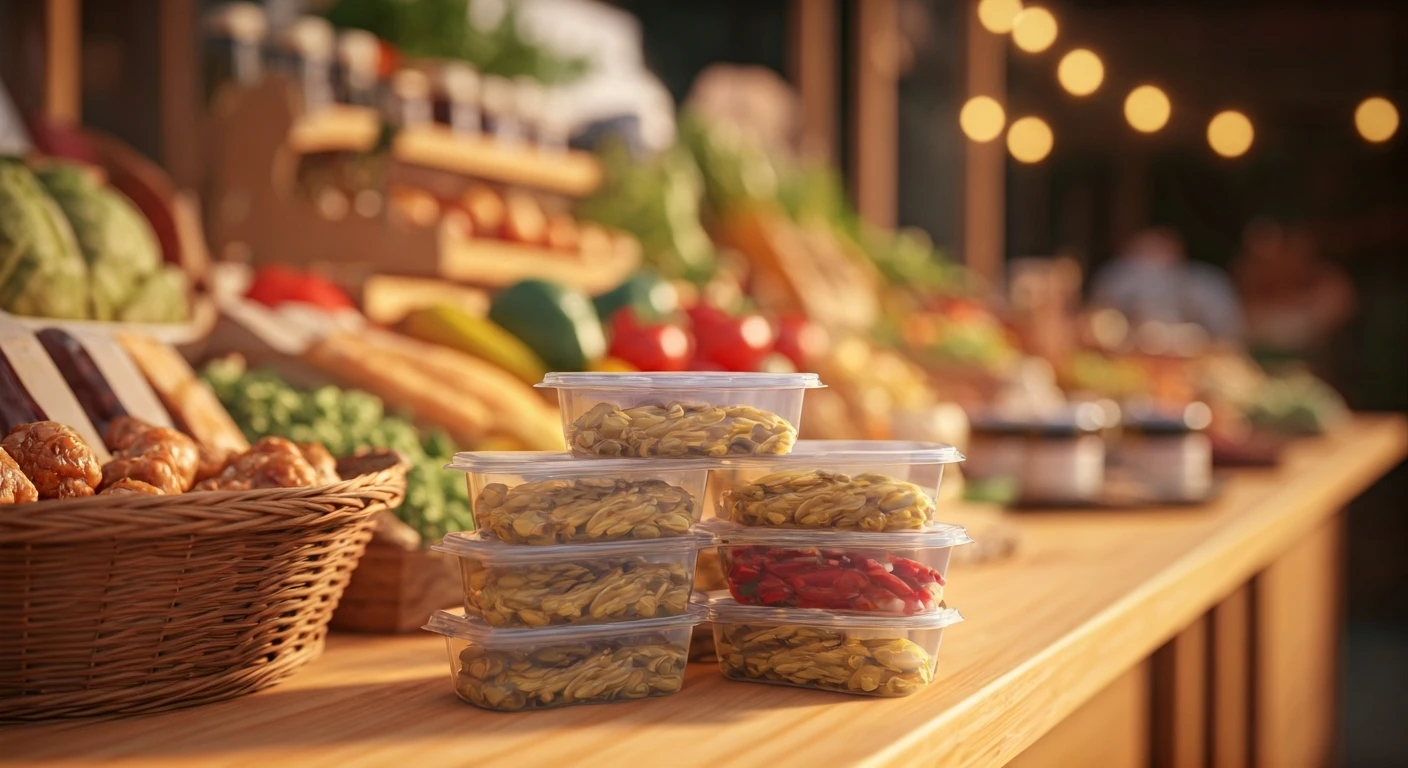
Enter the modern food expo. Events like the Specialty Food Association’s Fancy Food Show or the Natural Products Expo West have transformed from simple industry meet-and-greets into massive, real-time testing grounds. Here, thousands of brands, from tiny startups to divisions of global giants, set up booths and hand out samples of their newest, most experimental products. The attendees aren't a carefully selected focus group; they're a mix of retail buyers, distributors, journalists, and food-obsessed influencers. Their feedback is instantaneous and unfiltered. A brand can watch hundreds of people try its new plant-based jerky in a single afternoon. They can see what gets a genuine 'wow,' what gets politely spit into a napkin, and what makes someone’s eyes light up enough to ask, 'Where can I buy this?' This isn’t a simulation of the market; it’s a high-speed, high-volume slice of the market itself.
Why Brands Love This Method
For food brands, especially smaller ones, this approach is revolutionary. First, it’s incredibly efficient. Instead of spending tens of thousands of dollars on a formal market study, a company can get immediate, qualitative feedback as a built-in benefit of attending an expo. They can quickly iterate on the spot, perhaps testing two different spice levels of a new hot sauce on different days of the show to see which one performs better. Second, the feedback is more authentic. A person’s gut reaction after tasting a sample is often more honest than a carefully considered answer on a survey. Brands can gauge enthusiasm by observing body language and listening to candid conversations. Finally, it’s a launchpad for buzz. A product that becomes the talk of the show, shared on social media by attendees and highlighted by trendspotter panels that now roam the aisles, can gain critical momentum before it has even secured a single retail order. It's market research, public relations, and sales, all rolled into one chaotic, sample-sized cup.
What This Means For Your Pantry
So, how does this industry shift affect you, the average shopper? Primarily, it means trends can move from concept to grocery store shelf faster than ever before. That new line of avocado-oil potato chips or the adaptogenic sparkling water that seems to be everywhere suddenly didn't come out of a corporate black box. It likely survived a trial by fire on an expo floor, proving its appeal to hundreds of discerning palates. This process can lead to more interesting and diverse products, as smaller, more agile brands can use this method to validate a niche idea that a larger company would have deemed too risky. The downside? Trends may also burn out faster. But ultimately, it creates a more dynamic and responsive food landscape, where the products that succeed are the ones that earn genuine excitement, one tiny taste at a time.