



The Aesthetic Is the Message
Remember when a water bottle just had to hold water? Today, it has to be a Stanley cup in a limited-edition color drop or a Bink with a minimalist, calming hue. This isn't just about hydration; it's about identity. For many younger Americans, particularly
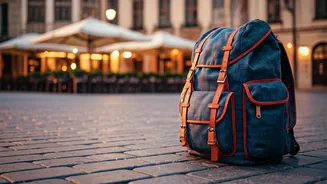
Gen Z and millennials, the visual appeal of a product is inextricably linked to its value. In a world saturated with images, the way something looks communicates a story about the person who owns it. A beautifully designed object isn't just a status symbol in the traditional sense; it’s a piece of a personal brand, a curated artifact that says, 'This is who I am. This is the vibe I project.' This shift redefines 'quality.' A product that works well but looks clunky or dated is seen as incomplete. The aesthetic isn't just decoration; it's a core feature, as important as functionality or price.
From Digital Feed to Daily Life
This phenomenon is a direct result of growing up online. Platforms like Instagram and TikTok are visual-first universes where success is measured in shareable moments. This has trained a generation to see the world through a compositional lens. We’re not just living our lives; we’re curating scenes from them. As a result, the pressure for the real world to match the digital one has intensified. Coffee shops are designed for the perfect latte art photo, home organization has become a mesmerizing display of clear acrylic bins and decanted spices, and vacation spots are evaluated on their 'Instagrammability.' This isn't necessarily a conscious choice to be performative. Rather, it's an ingrained sensibility. After spending years scrolling through aesthetically pleasing content, the brain begins to crave and seek out that same harmony and visual satisfaction in the physical world.
It's Not Just About Stuff
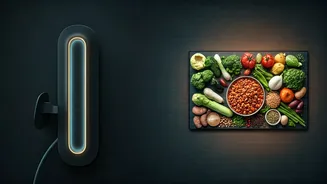
This aesthetic-driven decision-making extends far beyond consumer goods. It’s reshaping how young people engage with wellness, activism, and even politics. The wellness industry has exploded with beautifully packaged supplements, pastel-colored workout gear, and serene-looking yoga studios. The appeal isn't just health; it's the lifestyle aesthetic that comes with it. Even social and political movements are now judged, in part, on their visual branding. A compelling cause is amplified by well-designed, shareable infographics, clever protest signs, and a consistent color scheme that creates a sense of cohesive identity. While older generations might have rallied around a slogan, younger activists rally around a visual language. It’s a powerful tool for building community and spreading a message quickly in a crowded digital landscape. The 'look' of a movement helps it feel accessible, modern, and something you want to be a part of.
The Limits of a Pretty Picture
Of course, there’s a downside to living in a world where everything needs to pass a vibe check. This relentless focus on aesthetics can easily tip into a superficiality-over-substance problem. It can fuel overconsumption, as people chase the next trending 'aesthetic' with a new haul of products. It can also create a tyranny of perfection, where the pressure to present a flawless life leads to anxiety and burnout. We’re already seeing the backlash. The rise of 'de-influencing' on TikTok, where creators urge followers *not* to buy viral products, is a direct response to this pressure. So are the trends celebrating 'messy' apartments and unfiltered photo dumps. These counter-movements are a reminder that while aesthetics are a powerful new language, they can’t completely replace the need for authenticity, function, and genuine human connection. The challenge for young people—and the brands and movements trying to reach them—is finding the balance.