

First, What Exactly Is a Pakora?
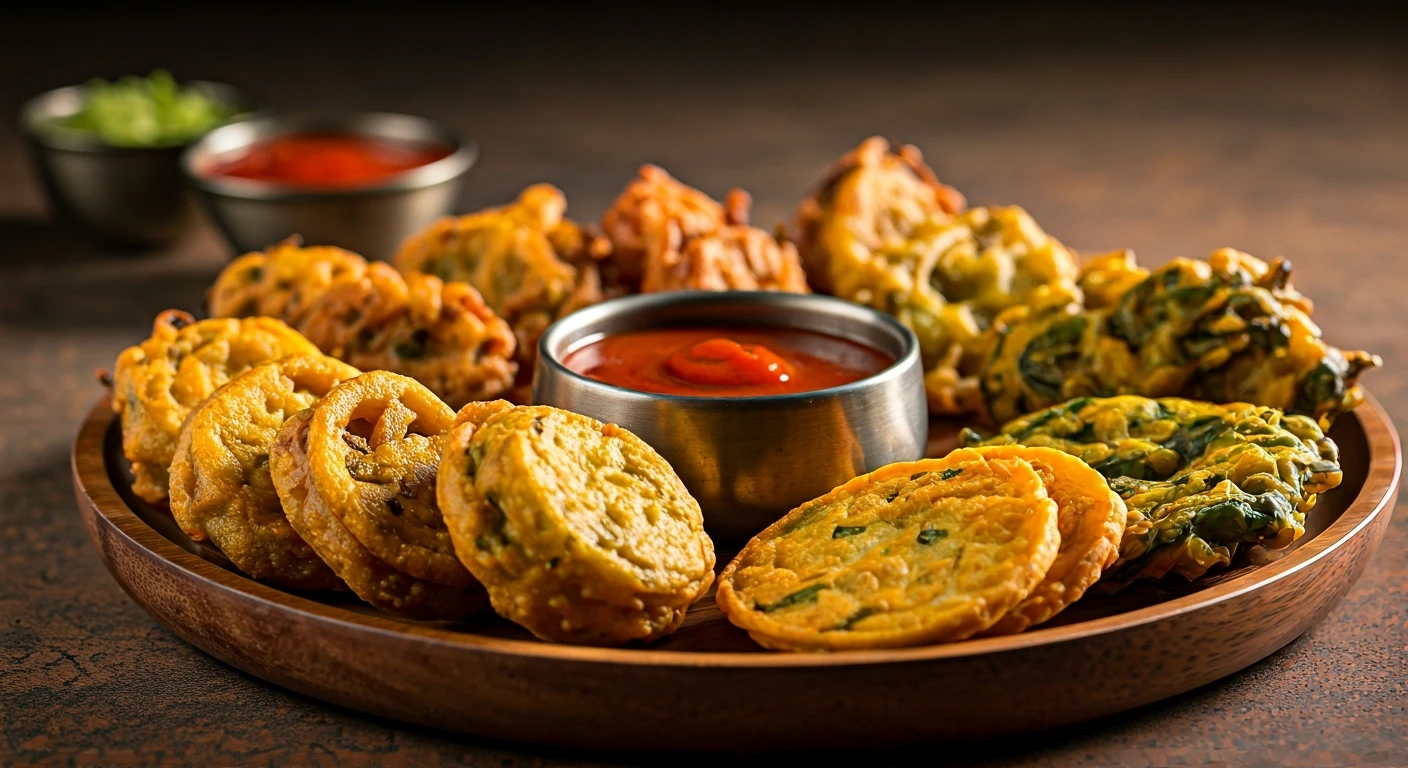
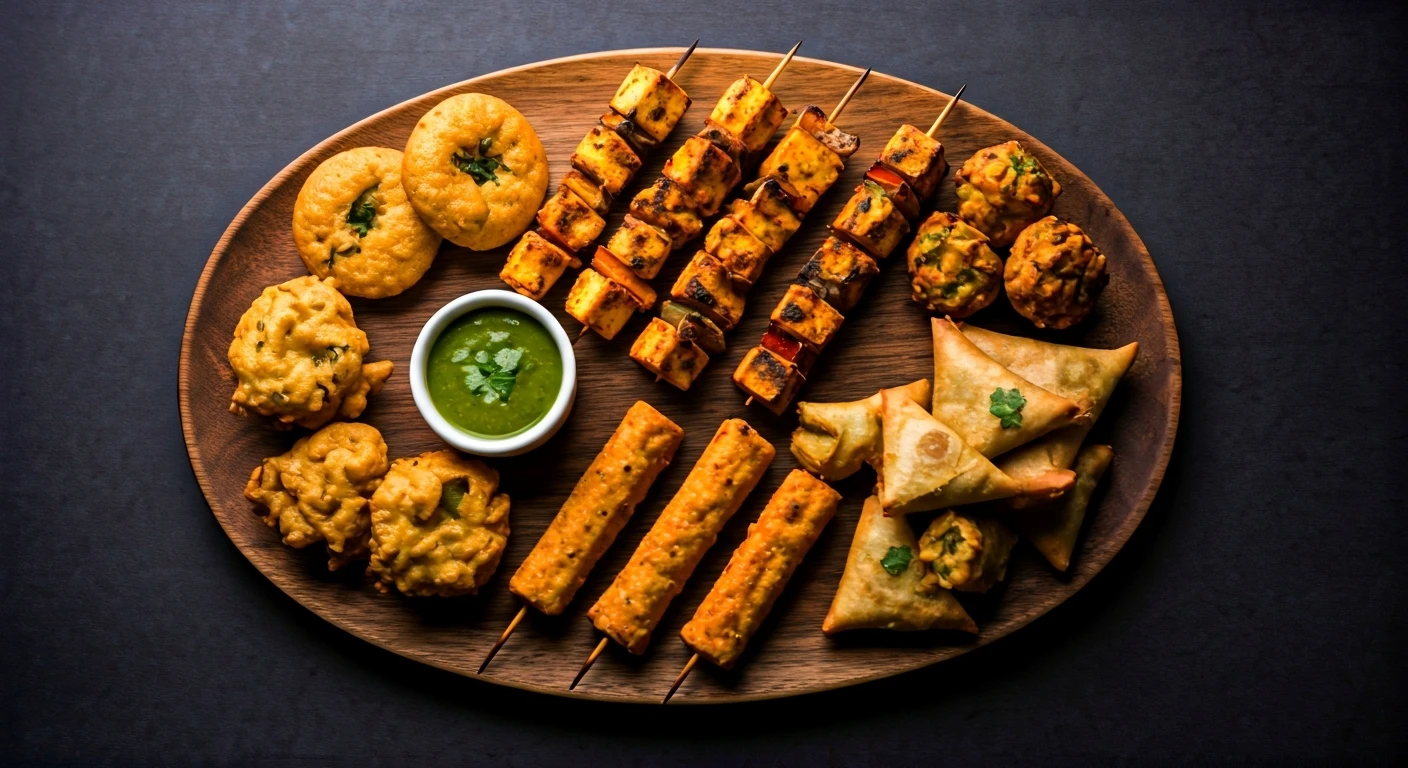
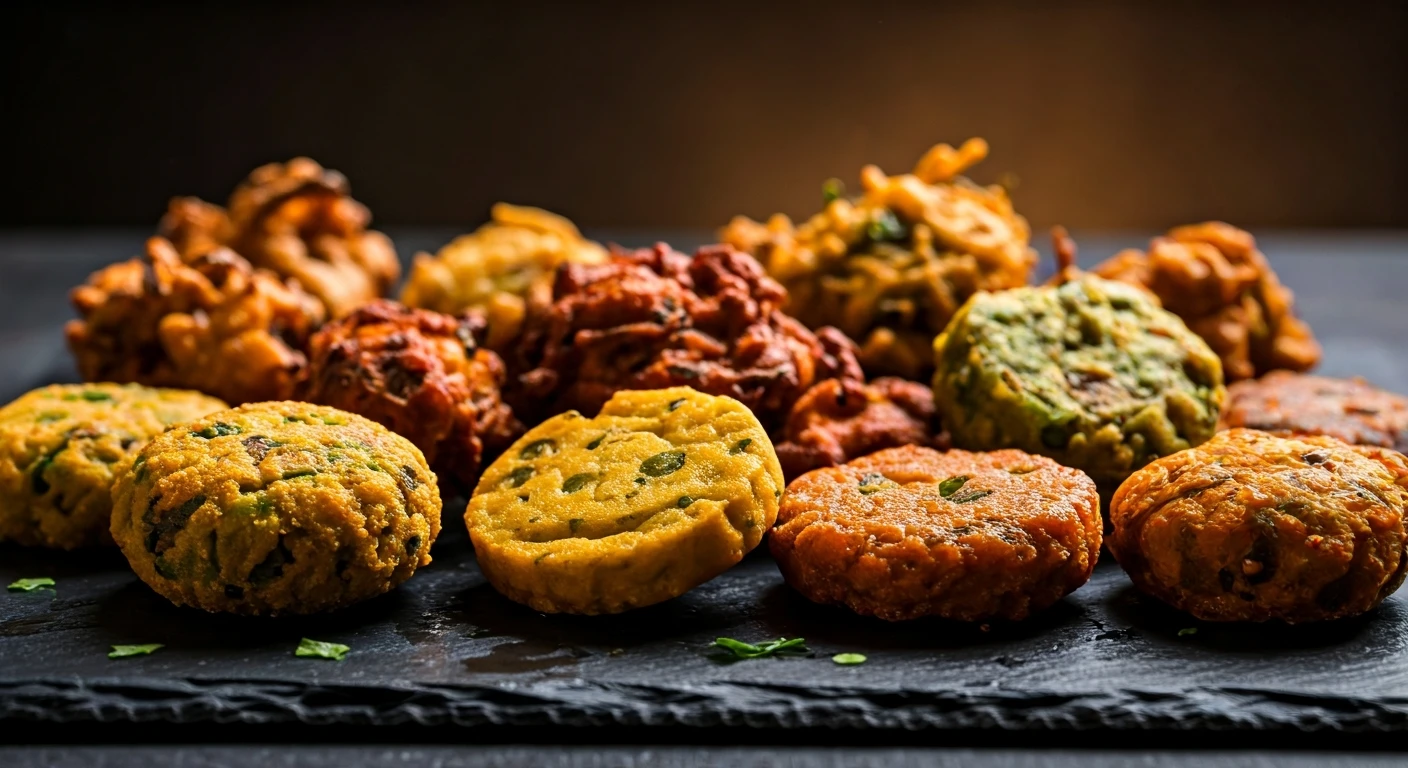
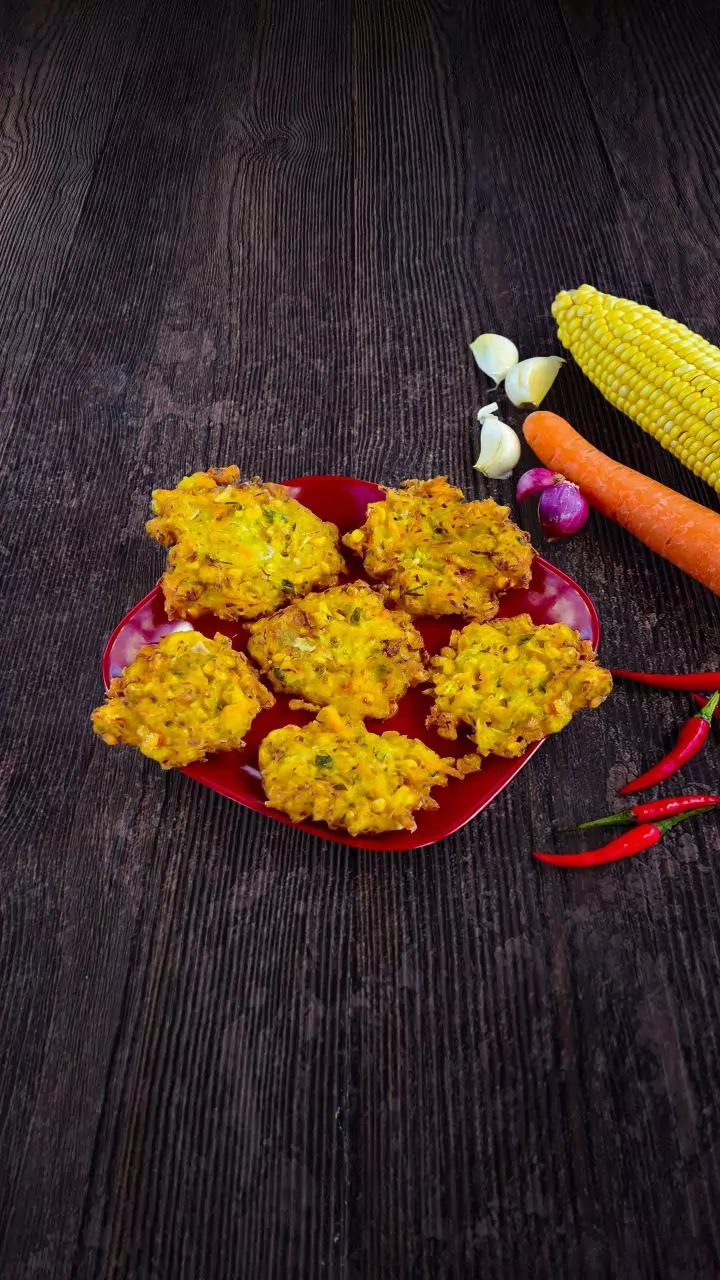
For the uninitiated, a pakora is a deceptively simple concept. At its core, it’s a morsel of something delicious—a slice of potato, a chunk of onion, a cube of paneer cheese, a whole chili—dipped in a spiced batter of besan (chickpea flour) and deep-fried
to golden-brown perfection. Served steaming hot, often with a side of mint-coriander chutney or sweet tamarind sauce, it’s a staple in homes and on street corners across the subcontinent. But to think of the pakora as a single dish is like calling all American sandwiches ‘a ham and cheese.’ The real magic lies in the regional variations, which are now getting their moment in the spotlight, transforming the familiar into something extraordinary.
Mumbai’s Famous 'Kanda Bhaji'
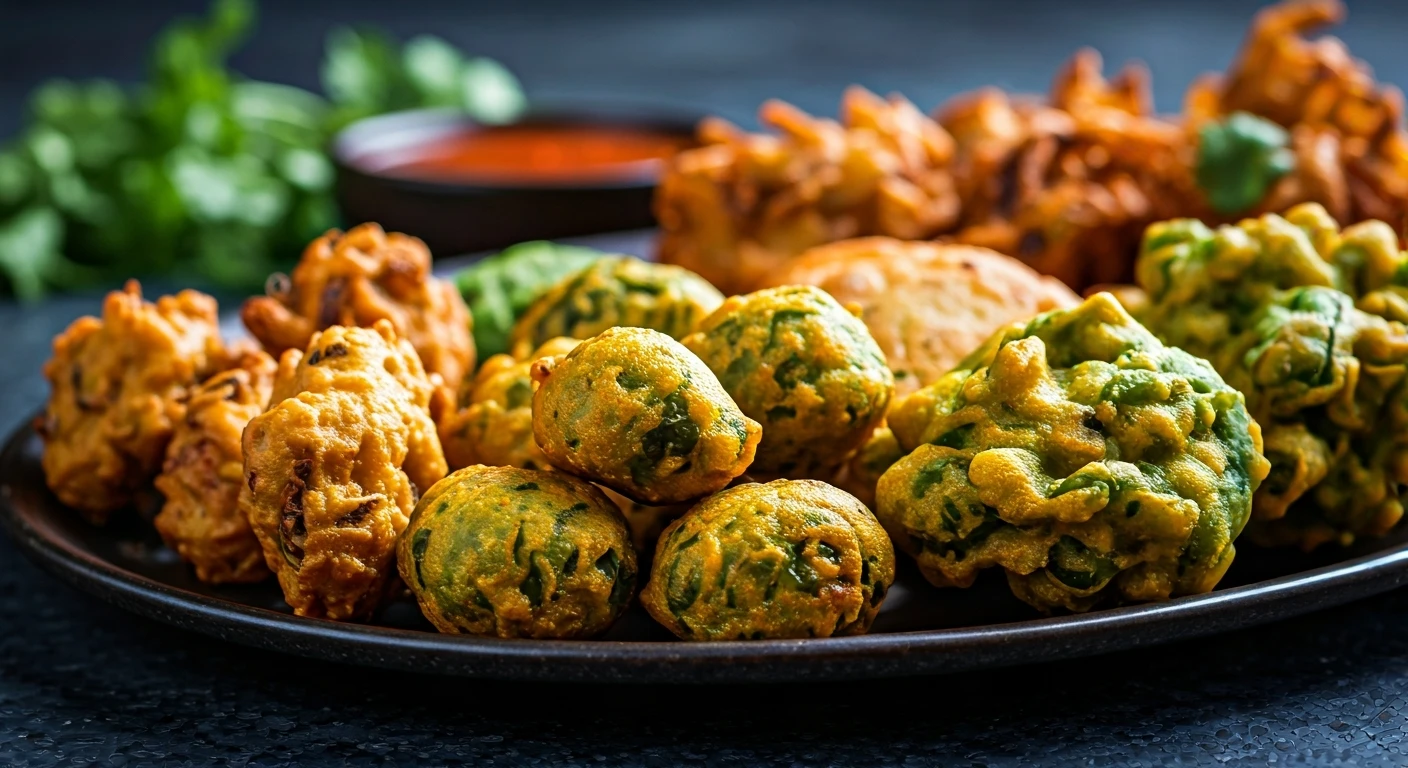
If you’re caught in a monsoon downpour in Mumbai, your best comfort is a plate of Kanda Bhaji. ‘Kanda’ means onion, but this isn't your typical, perfectly round onion ring. Here, thinly sliced onions are mixed into a batter with minimal water, so the onion’s own moisture helps bind it. The resulting fritters are not uniform discs but chaotic, crispy clusters of caramelized onion strands. They are crunchy, slightly sweet, and utterly addictive. Often sold by street vendors who work under a simple tarp, they’re served on a piece of newspaper with a side of dry garlic chutney, providing a fiery kick that cuts through the richness. It’s the quintessential taste of the Mumbai monsoon.
Bengal’s Artistic 'Telebhaja'
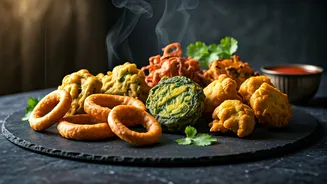
In West Bengal, the art of the fritter is elevated to a whole other level with 'telebhaja,' which literally translates to 'fried in oil.' While the category includes pakoras, the range is astonishing. A typical telebhaja shop in Kolkata might offer a dozen varieties. There’s 'beguni' (thin slices of eggplant), 'phuluri' (fluffy, fermented lentil fritters), and the delicate 'kumro phul bhaja' (pumpkin blossoms). The batter is often lighter, sometimes made with a mix of chickpea and rice flour for extra crispiness. The fillings can be more complex, too, with some vendors offering 'mochar chop,' a fritter made from banana blossoms. It’s less a snack and more a daily ritual, an essential part of the city’s vibrant street food culture.
The Southern Cousin: Bonda and Bajji
Head south, and the pakora family tree gets even more interesting. In states like Tamil Nadu, Kerala, and Karnataka, you’ll find 'bonda' and 'bajji.' A bonda is typically a spherical fritter. The most famous version involves a spiced mashed potato ball being dipped in chickpea batter and fried, creating a crispy shell with a soft, savory interior. It’s like a fried potato dumpling. Bajjis, on the other hand, are closer to the classic pakora but with their own flair. You'll find 'milagai bajji' (large, mild green chilies) and 'vazhakkai bajji' (thinly sliced plantains), all served with a fresh coconut chutney that’s miles away from the mint and tamarind chutneys of the north. The use of rice flour in the batter is common here, giving the fritters a distinctive, satisfying crunch.
The Leafy Green 'Palak Pakoda'
This upgrade isn’t about a specific region so much as a brilliant technique popular across North India. Instead of chopping up the spinach and mixing it into the batter, 'palak pakoda' involves taking whole, individual spinach leaves, dipping them in the spiced batter, and frying them until they are shatteringly crisp. The result is a light, airy, and visually stunning snack that looks like a delicate, fried leaf. Each bite delivers the earthy flavor of the spinach and the salty, spicy crunch of the batter. It’s a simple twist that completely redefines the experience, turning a humble vegetable into the star of the show. It proves that sometimes the most exciting upgrade is the simplest one.