



A Name to Live Up To
For American travelers venturing beyond India’s well-trodden Golden Triangle, the Himalayas offer a world of breathtaking, yet distinct, regional landscapes. Kashmir, with its placid lakes and snow-draped valleys, has long been the gold standard of mountain
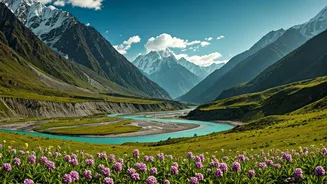
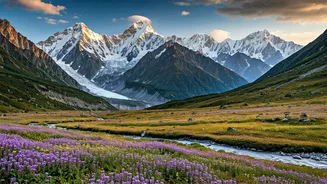
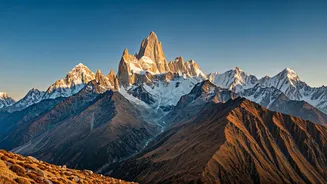
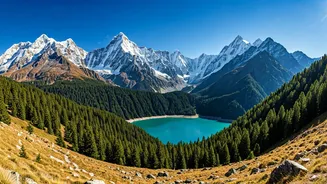
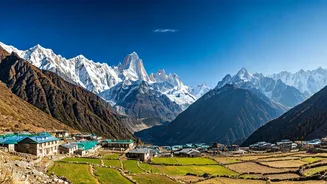
beauty. To call another place a “Little Kashmir” is the ultimate compliment, a shorthand for paradise. Munsiyari, a quiet outpost perched at over 7,000 feet, has carried this moniker for years. Tucked away in the Kumaon region, it has always been stunning, serving as the base camp for trekkers and a gateway to the Tibetan border. It gazes upon the Panchachuli, a magnificent five-pronged massif of snow-capped peaks. Yet for many, the comparison to the sprawling, epic grandeur of Kashmir felt like a well-meaning exaggeration. Munsiyari was beautiful, yes, but perhaps in its own right—quieter, smaller, and a little more rugged.
The White Blanket Changes Everything
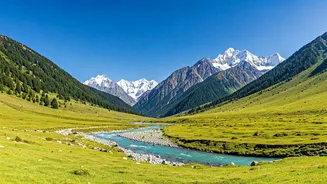
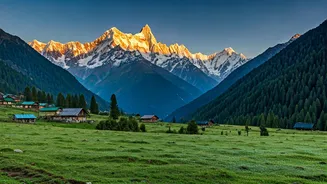
Then came the snow. Recent winters have brought unusually heavy and prolonged snowfall to this part of the Himalayas, blanketing the region in a way that locals say they haven't seen in decades. The familiar pine-forested slopes and terraced fields disappeared under a thick, pristine layer of white. The town’s sloping tin roofs, the winding mountain roads, and the surrounding deodar forests were transformed. Suddenly, Munsiyari wasn’t just a town with a view of snowy peaks; it was a world carved from snow itself. The landscape softened, the sounds became muffled, and the air grew crisp and still. It was in this transformation that the old nickname found its truth. The visual language of the place shifted. The rolling, snow-covered meadows and the dramatic vistas began to mirror the iconic imagery long associated exclusively with the Kashmir Valley. The nickname wasn’t just marketing anymore; it was a simple, observable fact.
Beyond the Snow: The Soul of Munsiyari
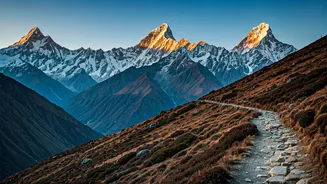
But what makes Munsiyari’s claim to the title so compelling is that its beauty isn’t just skin-deep. Unlike some over-commercialized tourist spots, it retains a powerful sense of place and authenticity. The town is the historical home of the Johari and Bhotia people, traders who for centuries navigated the high passes into Tibet. Their culture is woven into the fabric of the town, from the local cuisine to the sturdy architecture. The main attraction, of course, remains the staggering, uninterrupted view of the Panchachuli peaks. According to local legend, these five peaks represent the five cooking hearths (chulhas) of the mythical Pandava brothers from the Mahabharata epic. At sunrise and sunset, they catch the light in a spectacle of pink, orange, and gold that can leave you breathless. This combination of raw, natural power and deep-rooted culture is what gives Munsiyari its soul—a quality that the snow only enhances, not creates.
The View from the Top
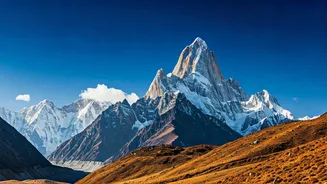
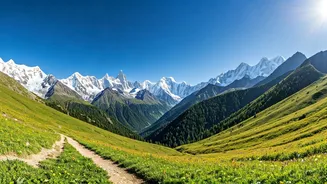
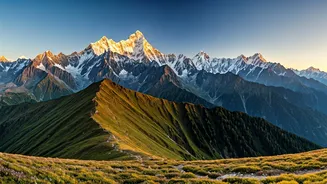
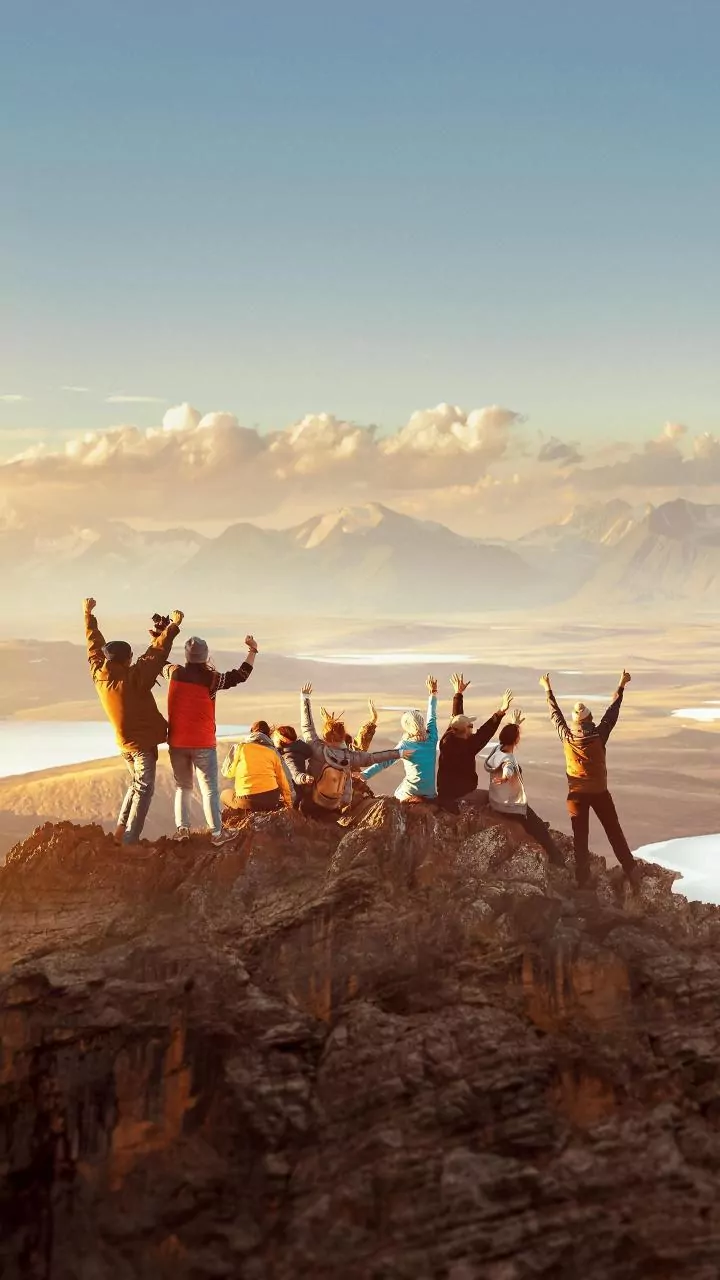
To truly understand Munsiyari’s grandeur, you have to go a little higher. The trek to Khaliya Top, a vast alpine meadow that rises to over 11,000 feet, is the quintessential Munsiyari experience. It’s a manageable day hike for the reasonably fit, winding through dense oak and rhododendron forests. As you ascend, the trees fall away, and you emerge onto a massive, undulating bugyal, or high-altitude meadow. From here, the panorama is absolute. You’re met with a 360-degree view of the Himalayan giants, including the Panchachuli, Nanda Devi, and Hardeol. When covered in winter snow, Khaliya Top feels like standing on the roof of the world, an endless expanse of white against a piercingly blue sky. It’s a humbling, almost spiritual experience, and it’s here that you finally understand: Munsiyari isn’t a smaller version of somewhere else. It is its own epic, a world-class destination that has, at last, come into its own.