



The First Leg: A Car to a Copter
The experience begins, ironically, with a normal Uber. A black SUV arrives to ferry you through the snarled streets of Manhattan, but your destination isn't the Van Wyck Expressway. Instead, you're dropped off at a sleek, discreet lounge near the downtown
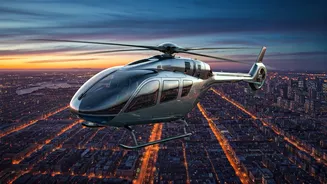
heliport. This is the first clue that the system is designed for seamlessness. There’s no frantic check-in or chaotic security line. You are greeted, your luggage is whisked away, and within minutes, you are escorted onto the tarmac. There, waiting with its rotors already beginning to spin, is a helicopter. It’s a jarring and exhilarating sight for anyone accustomed to the resigned sigh of settling into the back of a Toyota Camry for a 90-minute crawl to the airport. The process is a masterclass in choreographed convenience, designed to make you feel less like a commuter and more like a character in a movie. The typical stress of an airport run—the anxiety of traffic, the constant checking of your watch—is replaced by a sense of controlled, almost surreal, efficiency.
From Gridlock to Skyline in Eight Minutes
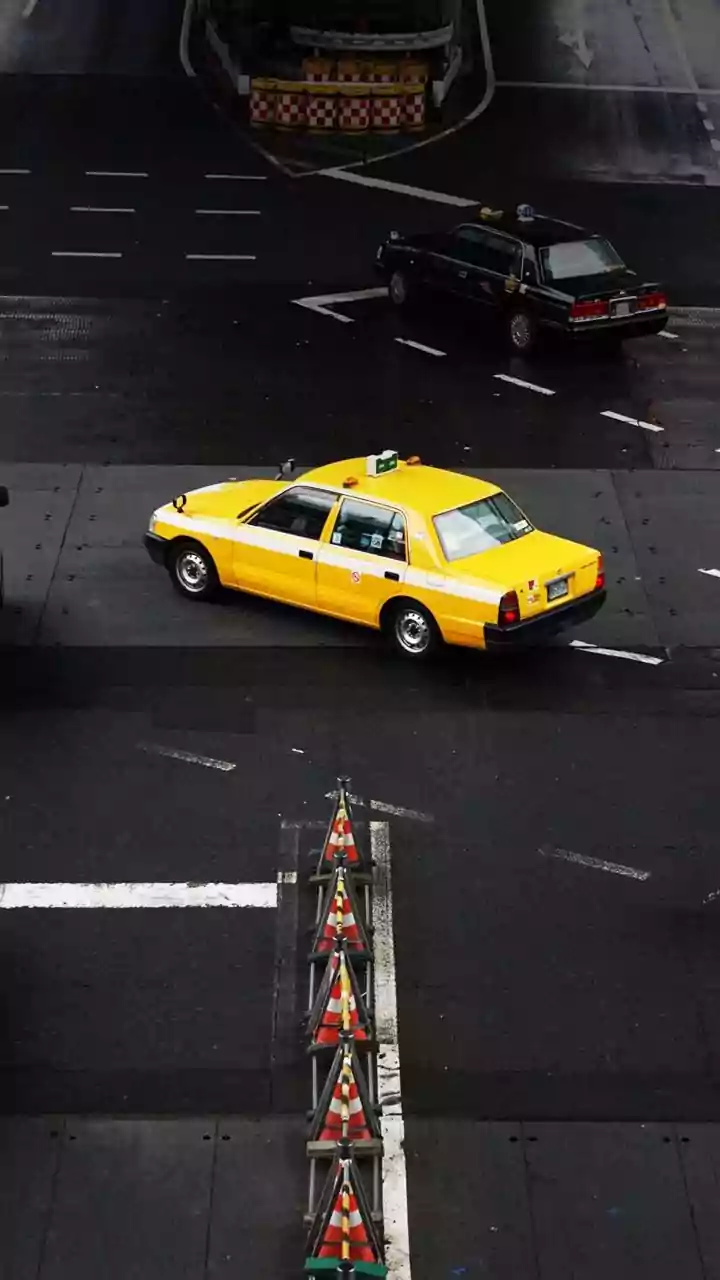
The ascent is breathtakingly fast. One moment you're on the ground, the next you're banking over the East River, the familiar yellow grid of taxis shrinking into a colorful abstraction below. The entire perspective of the city shifts. Instead of being trapped within its concrete canyons, you are gliding above them. The flight from Manhattan to John F. Kennedy International Airport takes roughly eight minutes. In that time, you soar past the Williamsburg Bridge, get a bird's-eye view of Brooklyn, and watch as the sprawling expanse of Queens unfolds beneath you. It’s not just a time-saver; it's a fundamental transformation of the travel experience. The misery of airport traffic is one of modern life’s great equalizers. This service, offered through a partnership with the aviation company Blade, is the ultimate cheat code. Upon landing at a private terminal at JFK, another SUV is waiting to drive you directly to your airline gate. The journey feels less like public transit and more like a private, white-glove logistical operation.
What Is This Service, Really?
This is Uber Copter, a premium service that has been available to select Uber users in New York City. For a price that typically hovers around $200-$225 per person, it offers a dramatic alternative to the traditional car ride. It’s not a service you can hail on a whim; it must be booked in advance, and it only serves a specific, high-demand corridor. But its existence on the Uber app, nestled between UberX and Uber Black, serves a purpose far greater than just serving a handful of wealthy flyers. For most, it remains a fascinating novelty—an impossibly fancy option that pops up as a testament to the city’s extremes. It’s a solution for the time-crunched executive, the celebrity dodging paparazzi, or the tourist looking for a splurge-worthy moment. But for Uber, it represents a crucial strategic experiment. It’s the company’s first real, consumer-facing foray into aerial mobility, a tangible step toward a much grander, sci-fi-esque vision.
A Marketing Stunt or a Glimpse of the Future?
Is Uber Copter just a clever marketing gimmick? Partly, yes. It generates buzz and reinforces Uber’s image as an innovator pushing the boundaries of transportation. It associates the brand with luxury, speed, and the future. However, it's also a live-fire test for the logistics of urban air travel. Uber is gathering invaluable data on demand patterns, pricing sensitivity, and the complexities of multi-modal journeys (the car-to-helicopter-to-car handoff). This experiment is a precursor to the company’s long-term ambition: Uber Air. The vision is a fleet of electric vertical takeoff and landing vehicles (eVTOLs)—essentially quiet, electric mini-copters—that could one day offer on-demand flights across cities for a price comparable to an UberX ride. The noisy, expensive, fossil-fuel-burning helicopter of today is a stand-in for the quiet, efficient, and (theoretically) affordable eVTOL of tomorrow. By running Uber Copter, the company is building the operational muscle and consumer familiarity needed for a future where hailing a flying vehicle is as normal as calling a car.