




The Arrival of the Rains
For much of the year, the Indian state of Goa is known for its sun-bleached beaches and swaying palms, a haven for tourists seeking tropical warmth. But as the blistering heat of May gives way to June, a dramatic transformation occurs. The sky turns a brooding
grey, and the monsoon arrives not with a whimper, but with a theatrical downpour. The landscape, parched and weary, drinks deeply and erupts into an impossible shade of emerald green. This is a different Goa—quieter, more introspective, and deeply connected to its roots. For locals, the monsoon, or ‘paus,’ is a time of renewal and comfort, a season celebrated not with beach parties, but with cozy culinary traditions designed to nourish the body and soul through the damp, humid days.
What Exactly Is Kokum?
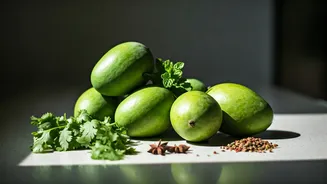
At the heart of Goan monsoon cuisine is a humble, yet powerful, ingredient: kokum. Known scientifically as Garcinia indica, this small, round, deep-purple fruit is a member of the mangosteen family, native to India’s western coast. When fresh, it has a tart, astringent bite. But its true magic is revealed when it’s halved, dried, and preserved. The leathery, dark rinds become a staple in Goan pantries, ready to impart a unique flavor that’s sour without being harsh, with fruity, floral undertones. Unlike tamarind, which can be heavy and overpowering, kokum provides a clean, bright acidity. It’s more than just a souring agent; traditionally, it’s valued for its cooling properties, making it an ayurvedic remedy for heat and a digestive aid—qualities that are especially prized during the heavy, humid monsoon season.
The Cooling Magic of Solkadhi
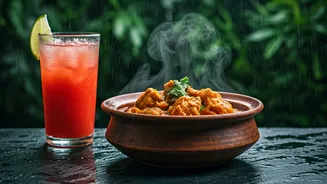
The most iconic expression of kokum’s monsoon magic is solkadhi, a drink as beautiful as it is refreshing. Imagine a delicate, blush-pink liquid served chilled in a small glass. This is the quintessential Goan meal-ender. It's made by soaking dried kokum in water to create a tart, ruby-colored extract, which is then blended with freshly squeezed coconut milk. A hint of green chili, ginger, and garlic provides a gentle, warming kick that balances the coolness of the main ingredients. The result is a savory, tangy, and deeply soothing concoction. During the monsoon, when appetites can be sluggish and digestion slow, a glass of solkadhi is considered essential. It cleanses the palate after a rich fish curry and is believed to counteract the heaviness of the region’s rice-heavy diet, making it both a culinary delight and a piece of time-tested wellness wisdom.
Beyond the Drink: A Goan Pantry Staple
While solkadhi is its most famous application, kokum is a versatile workhorse in the Goan kitchen. Its primary role is as a souring agent in curries, especially those featuring the fresh seafood that remains central to the diet even when the fishing trawlers are docked. In a classic Goan fish curry, a few pieces of dried kokum are thrown into the simmering coconut-based gravy. They slowly release their gentle tartness, balancing the sweetness of the coconut and the heat of the red chilies without turning the curry overtly sour. This creates a complex, layered flavor that is distinctly Goan. Kokum is also used to make a syrupy concentrate, or ‘sherbet,’ which can be diluted with water for a quick, cooling drink, and its oil is extracted from the seeds for culinary and cosmetic purposes. It’s an ingredient that embodies the principle of using every part of the plant.
A Taste of Seasonal Wisdom
The embrace of kokum during the Goan monsoon is a perfect example of a food culture that is deeply in sync with its environment. This isn’t about chasing fleeting food trends; it’s about a tradition passed down through generations, born from an understanding of what the land provides and what the body needs. In a season characterized by dampness and a slower pace of life, the cuisine turns to ingredients that are warming, digestive, and comforting. The sharp tang of kokum cuts through the humidity, enlivens heavy meals, and provides a taste of sunshine on a cloudy day. Celebrating the monsoon with copious amounts of kokum is Goa’s way of finding joy and balance in the face of nature’s powerful rhythm, turning a challenging climate into a reason for delicious celebration.