
The Fatigue of the Finished Look
For years, the goal of home decorating felt like a finish line. You browsed online catalogs and big-box stores for that perfect side table, the trendiest throw pillows, or a rug that tied the room together. The process was transactional: you click, it
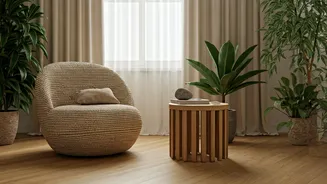
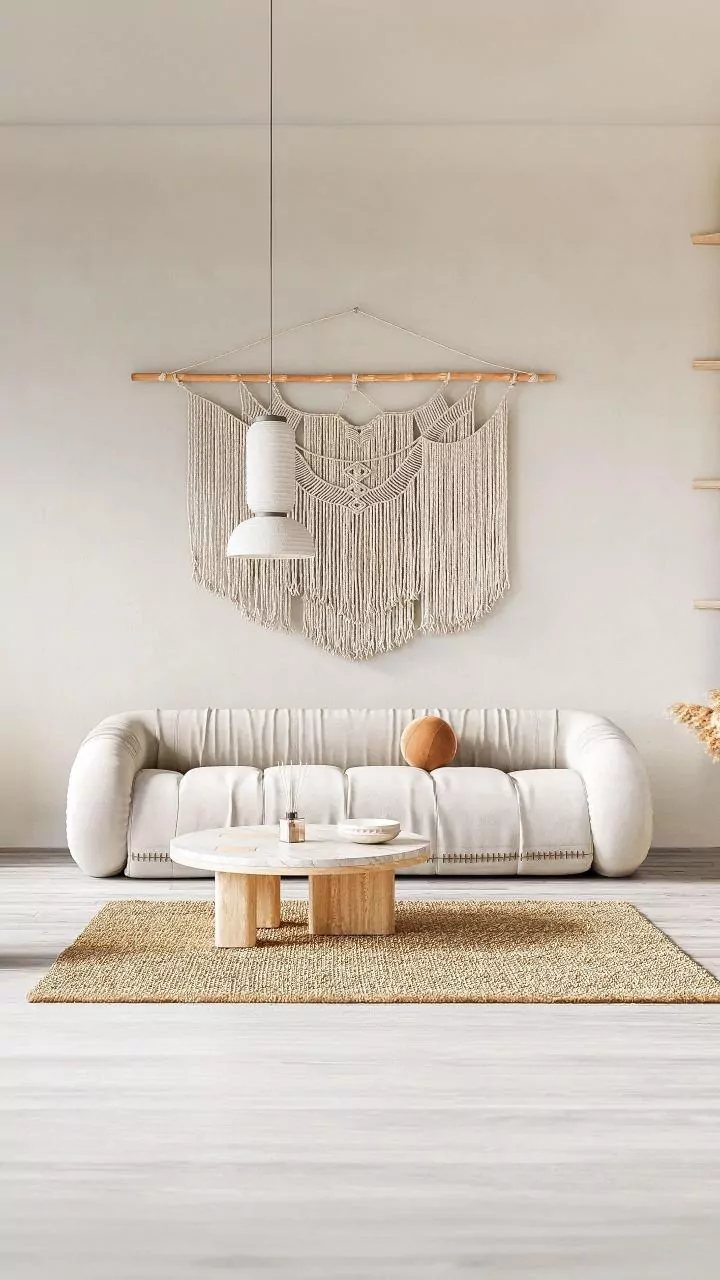
arrives, you place it. The end. The result was often a space that looked like a showroom—static, impersonal, and maybe even a little sterile. This model of decorating, focused on acquiring objects to achieve a finished, magazine-ready look, is starting to feel dated. There’s a growing fatigue with consumer culture that pushes an endless cycle of new trends and mass-produced goods. After a while, one beige boucle chair starts to look like all the others. The joy of the purchase fades, and you're left with just another object to dust.
Decorating Becomes a Relationship
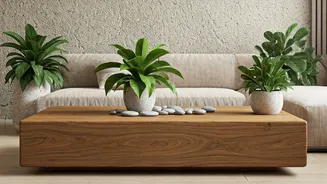
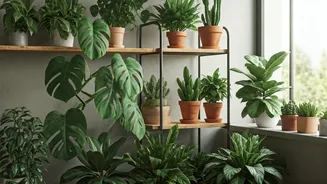
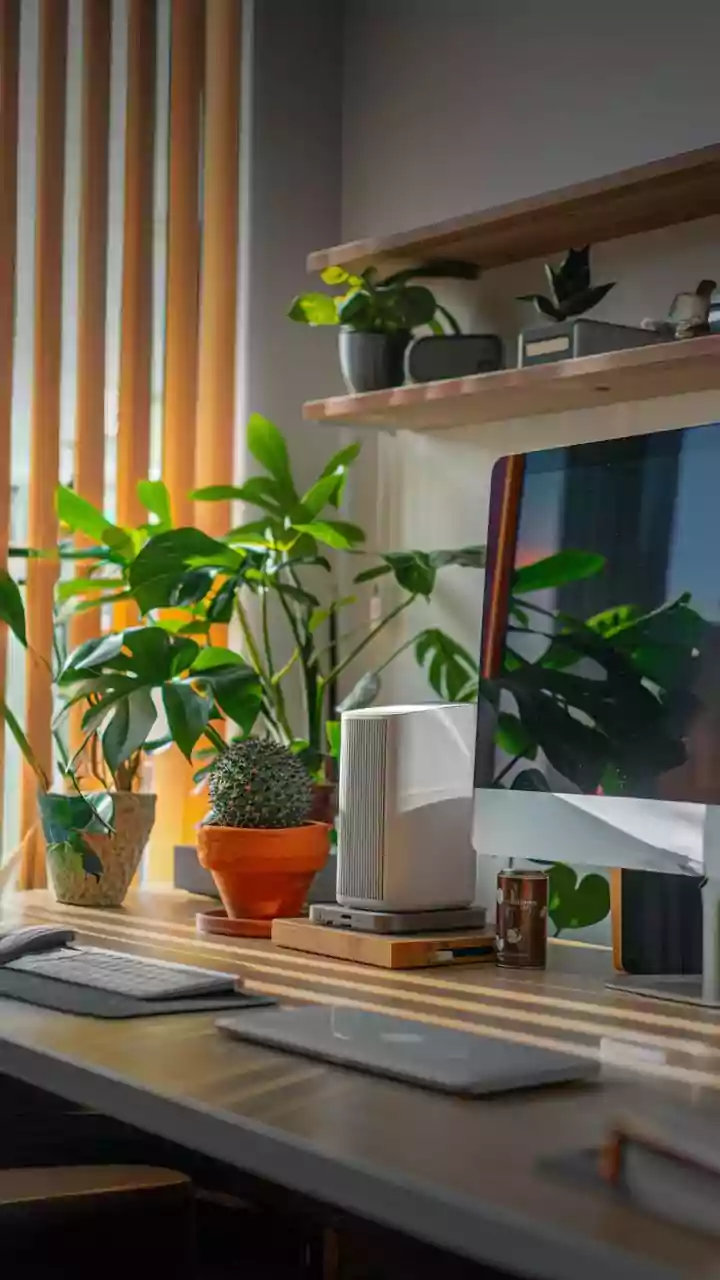
Enter the houseplant. A trip to the local nursery is a fundamentally different experience than scrolling through a furniture website. You’re not just buying an item; you’re adopting a living thing. A fiddle-leaf fig isn’t a static accessory—it’s a roommate that needs light, water, and care. This shift transforms decorating from a passive act of consumption into an active, ongoing relationship. The reward isn't just a visually pleasing corner; it's the satisfaction of watching a new leaf unfurl, the pride in reviving a struggling succulent, or the simple ritual of a Sunday morning watering routine. This phenomenon has given rise to the term “plant parent,” a title worn with a mix of pride and gentle self-awareness. It’s a hobby that asks for engagement, creating a deeper, more personal connection to one's home environment.
The Science of a Greener Home
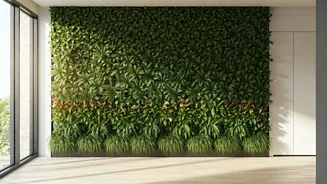
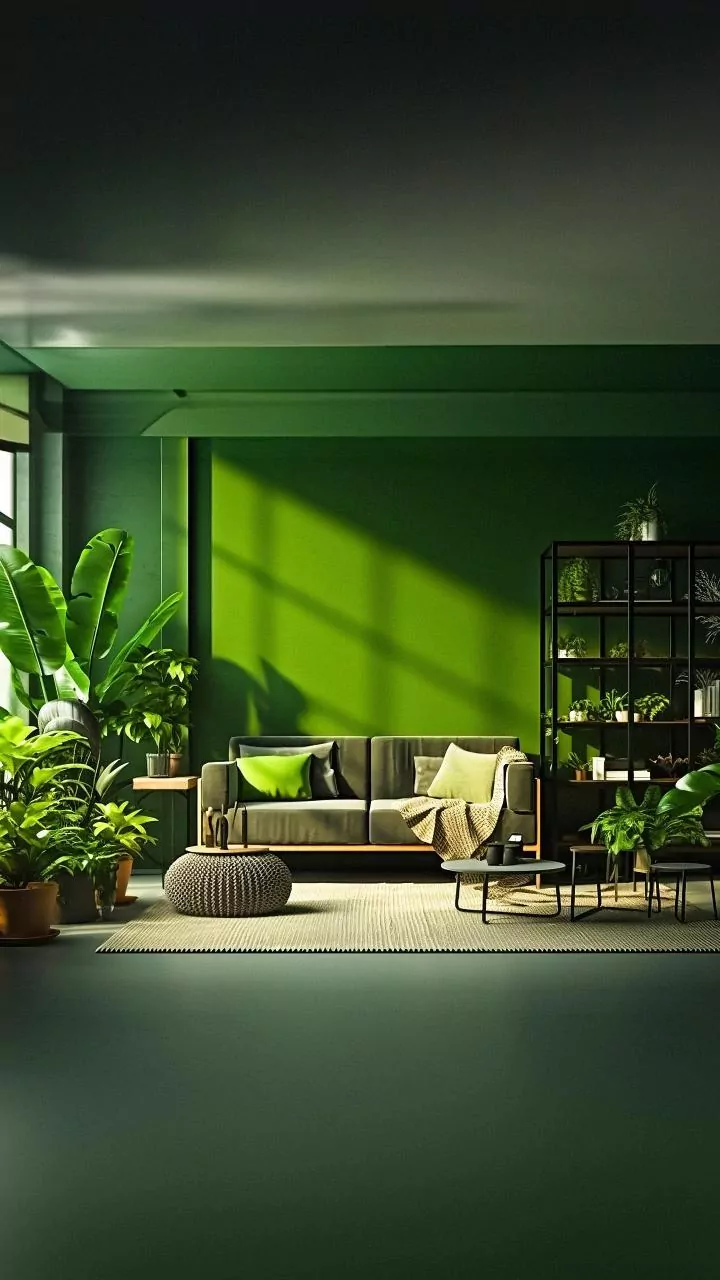
This trend isn't just about aesthetics; it’s rooted in wellness. The concept of “biophilia,” our innate human tendency to seek connections with nature, helps explain why a room full of plants just feels better. Studies have suggested that being around plants can reduce stress, lower blood pressure, and improve focus. While a single snake plant won't magically solve all your problems, the cumulative effect of creating an indoor jungle can have a tangible impact on your mental state. In an increasingly digital and urbanized world, our homes are becoming our sanctuaries. Filling them with life-affirming greenery is a direct, accessible way to counteract the concrete and screens that dominate our days. It’s an investment in a calmer, more restorative atmosphere, something a new decorative tray simply can't offer.
An Ever-Changing, Authentic Style
Unlike a piece of furniture, a plant is never “finished.” It grows, changes, and evolves with the seasons. A Monstera deliciosa might start as a modest table-topper and eventually become a room-defining floor specimen with dramatic, fenestrated leaves. This dynamic quality is a welcome antidote to the rigid perfection promoted by so much of traditional decor. Your home becomes a living gallery, not a static museum. This authenticity is highly valued, especially by millennials and Gen Z, who often prioritize experiences over possessions. Nurturing a unique collection of plants, each with its own story and needs, is a way of expressing personal style that feels more genuine than simply buying what’s popular. The result is a space that is truly unique, beautifully imperfect, and constantly growing—just like its owner.