

The New Indian Pantry
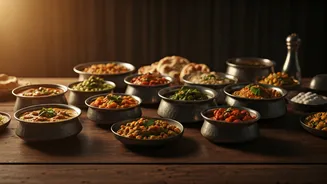
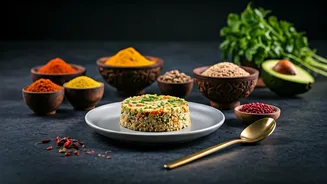
For generations, the Indian kitchen was defined by its 'masala dabba,' a spice box containing the essential powders and seeds of a region’s cuisine. Turmeric, cumin, coriander, and chili powder formed the foundation of countless family recipes passed
down through memory and practice. But for India’s Gen Z, the pantry is getting a major global upgrade. Next to the garam masala, you’re now just as likely to find a bottle of Sriracha, a block of Parmesan cheese, a jar of Italian pesto, or a bag of Mexican chili peppers. This isn't about replacing the old with the new. Instead, it’s an act of expansion. Young Indians, born between the mid-1990s and early 2010s, view flavor as a limitless palette. They grew up with more access to global media and food culture than any generation before them. For them, a dish doesn’t have to be strictly 'Indian' or 'Italian'; it can be a delicious, logical blend of both. This mindset is transforming the very definition of a home-cooked meal, moving from rigid tradition to creative expression.
Driven by Screens and Curiosity
The primary engine of this culinary shift is the smartphone. Platforms like Instagram Reels, YouTube Shorts, and TikTok (before it was banned in the country) have become the modern-day cookbooks for this generation. A 30-second video can introduce a young cook in a small town to a viral recipe for 'ramen biryani' or demonstrate how to make a 'paneer tikka taco.' These platforms are visual, immediate, and foster a sense of a global community built around food. Unlike their parents, who may have learned to cook by watching a grandmother’s hands, Gen Z learns by watching a sped-up video from a food influencer in Seoul, New York, or just across town in Delhi. The rise of e-commerce and specialty grocery apps has also been a game-changer. Ingredients that were once exotic and hard to find, like shiitake mushrooms, artisanal pasta, or Middle Eastern za'atar, can now be delivered to their doorstep in a matter of hours, making experimentation easier than ever.
From Fusion to Fluidity
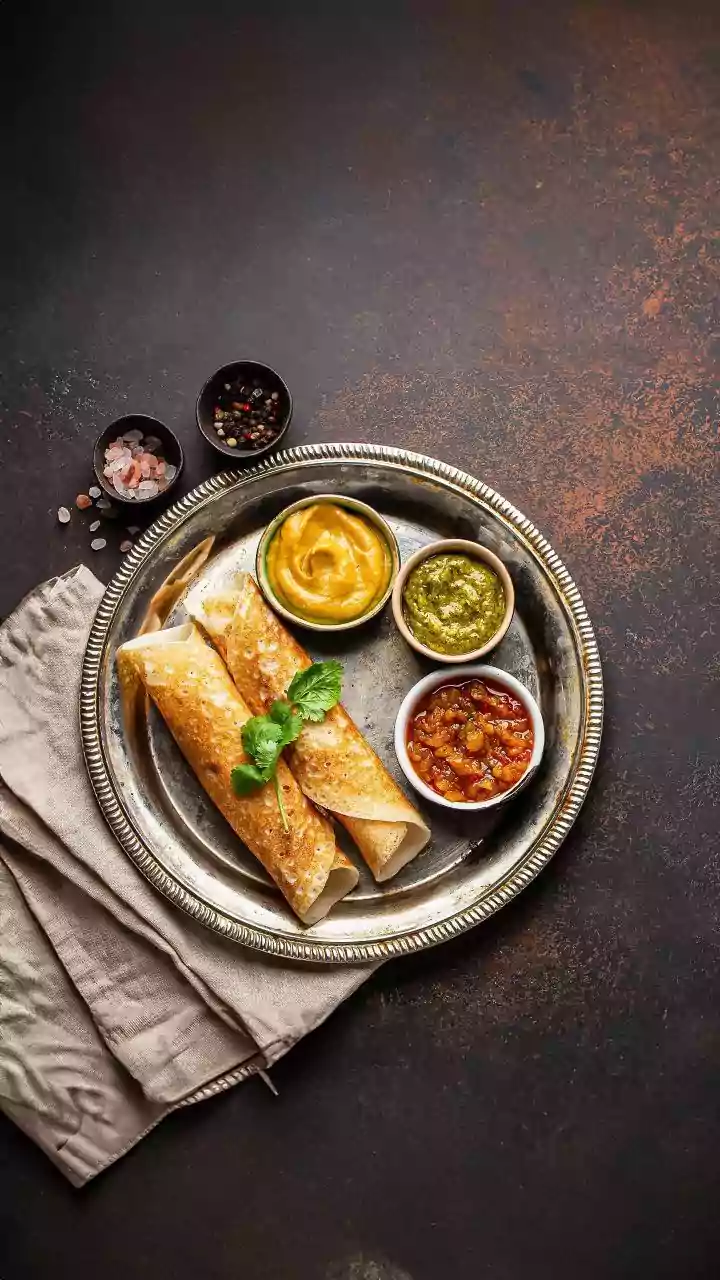
The term 'fusion' often brings to mind the sometimes-clunky culinary experiments of the 1990s. But what’s happening in Indian Gen Z kitchens feels more natural, a kind of 'culinary fluidity.' It’s less about forcing two distinct cuisines together and more about borrowing techniques and flavors that make sense. A classic dal might be finished with a drizzle of chili oil for an extra layer of flavor and texture. A traditional dosa might be filled with scrambled eggs and cheese, creating a crepe-like breakfast wrap. We're seeing pasta dishes made with creamy, spiced makhani sauces, and traditional kebabs served with a side of hummus and pita instead of naan. These creations aren't gimmicks; they are the logical output of a generation that sees no borders when it comes to good food. They understand the principles of their own cuisine—the importance of balancing sweet, sour, salt, and spice—and are applying those principles to a wider world of ingredients. The result is food that is at once deeply personal and globally resonant.
Cooking as Self-Expression
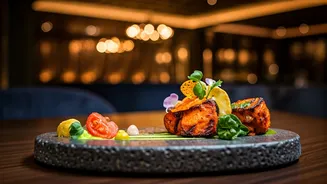
Perhaps the biggest shift is in the 'why' of cooking. For many older Indians, cooking was often seen as a duty, a way to nourish the family and uphold cultural traditions. For Gen Z, it is increasingly a form of entertainment, creativity, and self-expression. A well-plated dish of 'chole bhature tacos' isn't just dinner; it’s a potential Instagram post, a story to share with friends, and a statement of personal taste. They are not just cooks; they are content creators. This makes the kitchen a stage for identity. By blending the flavors of their heritage with tastes from around the world, young Indians are crafting a culinary identity that is uniquely their own. It reflects their reality: rooted in a rich Indian culture but also confidently and curiously engaged with the rest of the world. It’s a delicious declaration that tradition is not a fixed point in the past, but a living, breathing thing that they get to shape.