



The Peak-Season Paradox
Let’s get one thing straight: the idea of 'bloom-season travel' might conjure images of the shoulder-to-shoulder madness at Washington, D.C.'s Cherry Blossom Festival or the traffic jams caused by a California 'superbloom.' And you wouldn't be wrong.
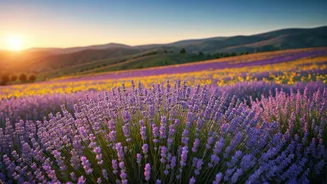
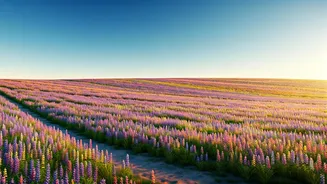
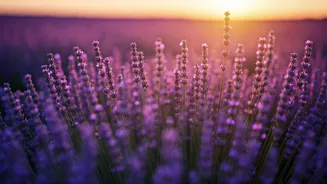
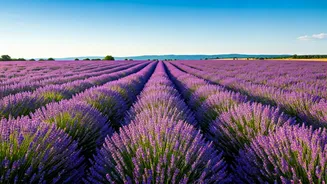
The most famous floral displays often attract the very crowds we’re trying to avoid. But that’s a narrow view of a much broader strategy. True bloom-season travel isn't about chasing the single most Instagrammed floral event of the year. It's about recognizing that spring and fall—the classic 'shoulder seasons'—are when nature puts on its best, most colorful shows. While everyone else is waiting for Memorial Day to kick off their travels, you can be wandering through a field of Texas bluebonnets in April. While they're battling back-to-school traffic in August, you could be enjoying the lavender fields of Washington in full, fragrant bloom. It’s a simple recalibration: instead of planning around holidays or school schedules, you plan around the petal.
Trade Famous for Fantastic
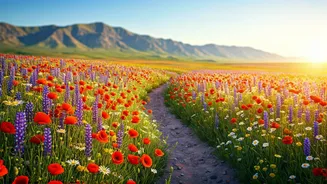
The key to making bloom season an 'anti-crowd' strategy is to look beyond the headliners. For every world-famous event, there are a dozen spectacular, lesser-known alternatives. Love the idea of cherry blossoms but not the D.C. crowds? Head to Macon, Georgia. It proudly calls itself the 'Cherry Blossom Capital of the World' with over 350,000 Yoshino cherry trees, and its International Cherry Blossom Festival in March is a masterclass in Southern charm without the capital-city crush. Similarly, instead of getting stuck in a line of cars to see a California superbloom, consider the subtler beauty of the Rocky Mountains. From late June to early August, high-altitude meadows in Colorado and Utah burst with columbine, Indian paintbrush, and lupine. The trails are there, the flowers are vibrant, and the experience is about serene hiking, not navigating a crowd. The principle is simple: find the flower you love, then find it somewhere unexpected.
Beyond the Spring Cliché
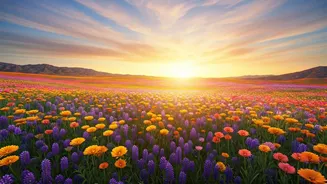
Another common mistake is thinking 'bloom season' only means spring. Nature’s calendar is far more varied. The travel opportunities extend well into summer and fall, hitting destinations during what might otherwise be their off-season. Consider the Pacific Northwest in July. While tourists pack the Oregon coast, you could be in the Sequim-Dungeness Valley in Washington, the 'Lavender Capital of North America,' surrounded by fragrant purple fields. Or think about the Great Plains in late summer. As the season turns, vast fields of sunflowers track the sun across the Dakotas and Kansas, offering a stunning golden spectacle with hardly a tourist in sight. In the deserts of Arizona and Texas, the right winter rainfall can trigger a burst of desert marigolds and verbena as early as February, long before the snowbirds arrive in force. This expands your travel map and your calendar, opening up quiet corners at beautiful times.
Your Anti-Crowd Toolkit
Executing the perfect bloom-season trip requires a little more finesse than just booking a flight. Here are the essential tools for your planning: 1. Get Local: National travel sites are great, but your best intel will come from local sources. Check the websites and social media feeds for state parks, botanical gardens, and even regional hiking groups. They often post real-time 'bloom reports.' 2. Embrace the Weekday: This is the oldest trick in the book for a reason. A flower field that's busy on a Saturday can be practically deserted on a Tuesday morning. If you can swing it, a mid-week trip is your golden ticket. 3. Go Early or Late: Just like avoiding traffic, the 'early bird gets the worm' applies here. An early morning visit not only means fewer people but also better light for photos and more active wildlife. 4. Think State, Not Just National: While National Parks are treasures, they also draw the biggest crowds. Don't overlook the beauty of state forests, county parks, and wildlife preserves, which often have stunning natural displays without the national-level traffic.