


The Myth: You Can ‘Repair’ Split Ends
The belief is simple and seductive: a special serum, cream, or mask can permanently heal a split hair shaft, fusing it back into a single, healthy strand. We see it in commercials with slow-motion shots of hair magically smoothing itself out. We buy bottles
of leave-in conditioners and “split end menders” that promise to reverse damage. The haircare industry has built a multi-million-dollar category on this very idea. The core of the myth is that hair damage, specifically a split end, is a reversible condition. All you need is the right product to apply, and like a broken bone setting, the hair will knit itself back together. It's a story we want to believe because it offers a quick fix for a problem that often feels out of our control.
The Reality: It’s A Temporary Illusion
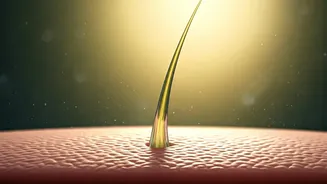
Here's the hard truth from trichologists and dermatologists: once a hair strand splits, it cannot be permanently repaired. Think of a hair strand like a piece of rope. Once the fibers at the end begin to fray, you can't just wish them back together. Hair is not living tissue like skin, which has regenerative cells to heal wounds. The hair you see is made of dead keratin protein. It has no biological mechanism for self-repair. So, what are those “mending” products actually doing? They are creating a cosmetic illusion. Using ingredients like silicones, polymers, and oils, these products act like a temporary glue. They smooth down the hair’s outer layer, the cuticle, and temporarily stick the split pieces together, making the hair *appear* healthier and smoother. But the effect is temporary. As soon as you wash your hair, the bond dissolves, and the split end is right back where it was, often ready to split even further up the shaft.
Why The Myth Won't Die
This myth persists for one simple reason: marketing. The word “repair” is powerful and sells products. It’s more compelling than “temporarily conceals the appearance of,” which is far more accurate. Brands can technically use the term because the products do create a temporary repaired *look and feel*. It's a clever play on words that taps into our desire for a quick fix. These products aren't necessarily bad—they can be great for making your hair look better between cuts, reducing friction, and preventing the split from worsening for a short time. They are styling aids, not medical treatments. The problem arises when consumers believe they are solving the underlying issue, leading them to delay the only real solution and potentially allowing damage to travel further up the hair.
The Only Real Cure: Prevention and a Trim
If you can’t fix a split end, what can you do? The answer is twofold: cut it off and prevent new ones from forming. The only way to truly get rid of a split end is with a pair of scissors. Getting regular trims—even just a tiny “dusting” of the ends every 8-12 weeks—removes the damaged parts before they can travel up the hair shaft and cause more breakage. But the most effective long-term strategy is prevention. This means protecting your hair’s cuticle from the start. Reduce heat styling, and always use a heat protectant when you do. Be gentle when brushing and detangling, especially when your hair is wet and at its most fragile. Avoid harsh chemical treatments or give your hair plenty of TLC with deep conditioners afterward. Focus on moisture and conditioning to keep the hair cuticle sealed and resilient. Healthy, well-cared-for hair is far less likely to split in the first place.