



The Post-Pandemic Comfort Mandate
Let’s start with the obvious: we all spent two years in sweatpants. The pandemic didn't just change where we worked; it fundamentally rewired our relationship with clothing. When the world reopened, our tolerance for restrictive, impractical garments
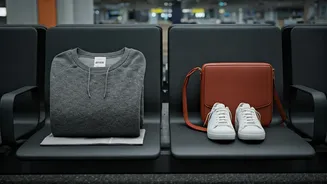
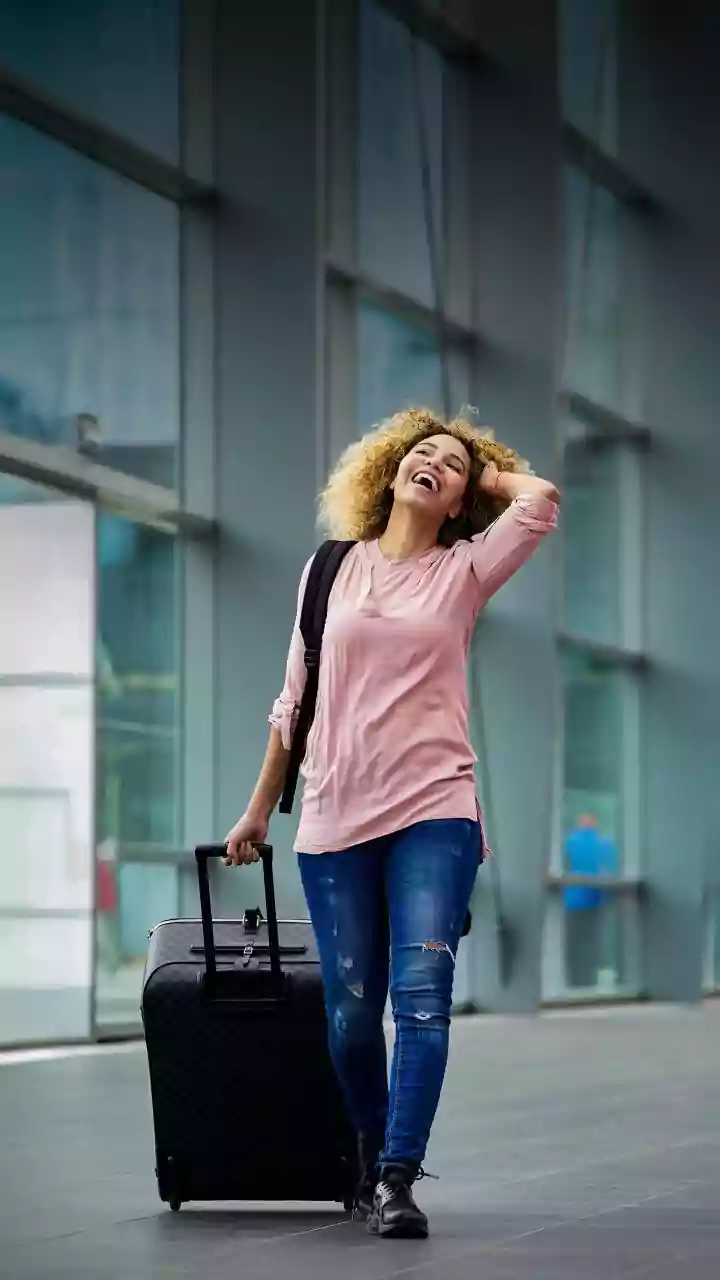
had plummeted. We’d grown accustomed to elastic waistbands and breathable fabrics, and we weren't willing to give them up just to sit on a plane for six hours. The work-from-home uniform—think elevated joggers, premium hoodies, and stylish knits—became the default. When travel resumed, it felt only natural to extend this newfound appreciation for comfort to the terminal. Sacrificing comfort for the sake of performative 'put-togetherness' suddenly seemed absurd.
Quiet Luxury Redefined 'Rich'
The travel humblebrag used to be a photo from the business class lounge in a designer suit or sky-high heels. Today, it’s a photo in a perfectly draped, logo-free cashmere set. The rise of 'quiet luxury' has completely changed what signals status. Instead of flashy logos and overtly expensive pieces, the new symbol of wealth is looking effortlessly comfortable in exquisitely made, minimalist basics. A high-quality, neutral-toned sweatsuit from a niche brand says 'I have taste and money, but I don't need to shout about it.' It implies an insider knowledge of quality and a lifestyle where comfort is non-negotiable. The truly wealthy, this aesthetic suggests, don't need to impress anyone at the airport; they just need to be comfortable on their way to their private villa.
Celebrities Ditched the Runway for Reality
For years, celebrity airport style was a spectacle. Paparazzi shots from LAX looked like high-fashion editorials, featuring stars navigating security in four-inch stilettos and tailored blazers. But the new generation of style icons has flipped the script. Stars like Zendaya, Hailey Bieber, and Timothée Chalamet are now the poster children for chic, comfortable travel. They are photographed in matching knit sets, oversized sweatshirts, and designer sneakers. This shift is powerful because it's relatable. It sends a message that you don’t have to suffer to look cool. By championing stylish comfort, they’ve given the rest of us permission to prioritize it, turning the airport hallway from a catwalk of inconvenience into a showcase of practical cool.
Brands Finally Caught Up
The fashion industry, ever the opportunist, saw the writing on the wall. Athletic and loungewear brands like Lululemon, Alo Yoga, and Vuori exploded by offering technically advanced fabrics that are soft, wrinkle-resistant, and stylish. But the trend has gone mainstream. Luxury houses and contemporary brands alike now have dedicated 'travel edits,' featuring everything from merino wool track pants to silk-blend hoodies. The difference is in the details: fabrics are designed to breathe and regulate temperature, cuts are engineered for long periods of sitting, and pockets are placed thoughtfully. Clothing is no longer just 'comfortable'; it's 'performance leisurewear,' designed specifically for the rigors of modern travel without sacrificing an ounce of style.
The #AirportFit Takeover
Social media sealed the deal. The hashtag #AirportFit is a thriving ecosystem on TikTok and Instagram, where creators and everyday travelers show off their carefully curated-yet-casual travel ensembles. It's a democratic trend. You don't need a first-class ticket to participate—just a good pair of joggers and a sense of style. This online community has created a feedback loop: people see cool, comfortable outfits online, get inspired to create their own, and post them, further cementing the trend. It's transformed the pre-flight routine into a mini-fashion moment, celebrating a style that’s accessible, aspirational, and, most importantly, feels good to wear.