




The Pushback Against 'Fast Decor'
In the same way American consumers have grown wary of fast fashion, a growing cohort in India is rejecting 'fast decor'—the endless cycle of mass-produced, trend-driven furniture and accessories that lack personality and permanence. After a period where
sleek, minimalist, and often imported designs dominated urban aesthetics, the pendulum is swinging back toward authenticity. This isn't about a dusty, nostalgic revival of the past. Instead, it's a modern, conscious choice to seek out items with soul, character, and a tangible connection to a creator. It represents a desire for homes that reflect personal values, not just a catalog's pages. This shift is fueled by a deeper appreciation for sustainability and ethical production, questioning the environmental and human cost of globally-sourced, disposable goods.
New Heirs to an Old Tradition
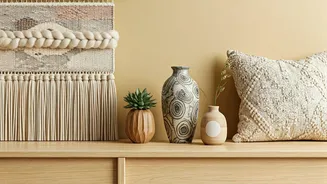
Driving this renaissance is a new generation of Indian designers, entrepreneurs, and consumers. They are tech-savvy, globally aware, and deeply proud of their heritage. Using platforms like Instagram and boutique e-commerce sites, they are bridging the gap between rural artisans and urban buyers, often cutting out the multiple layers of middlemen that historically left craftspeople with meager profits. These digital platforms do more than just facilitate sales; they tell the story behind the product. A customer buying a hand-loomed cushion cover can see a video of the weaver at their loom or read about the history of the pattern. This narrative transforms a simple purchase into an act of patronage, creating a direct and meaningful connection between the maker and the owner. This movement is empowering artisans, particularly women in rural communities, to achieve financial independence while keeping their ancestral skills alive and relevant.
From Block Prints to Blue Pottery
The diversity of India’s artisanal landscape is staggering, and many of these crafts are finding new life in contemporary homes. Hand-carved wooden blocks are being used to print intricate, earthy patterns on everything from tablecloths and bedding to wallpaper. The iconic blue-and-white 'Blue Pottery' of Jaipur, once confined to traditional forms, is now being shaped into modern coasters, soap dishes, and decorative tiles. Cane and rattan, once seen as old-fashioned, are being woven into chic, minimalist chairs and light fixtures that rival Scandinavian designs. Metalwork like the silver-inlaid 'Bidriware' from Karnataka is appearing in sleek, geometric decorative objects. These aren't museum pieces locked behind glass; they are functional, beautiful items designed for modern living, proving that ancient techniques can feel utterly current.
Why It's More Than Just Decor
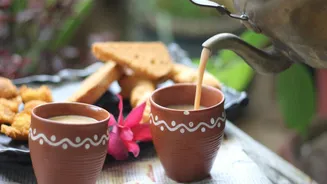
Ultimately, the embrace of handmade goods in India is part of a larger global search for meaning. In an increasingly digitized and homogenous world, people are craving connection, story, and a sense of place. Owning a hand-thrown ceramic mug or a quilt stitched from vintage fabrics is a small act of rebellion against anonymity. It’s a choice to value human skill over machine-like perfection and to support a more sustainable, equitable model of consumption. This trend resonates deeply with the 'slow living' and artisan movements seen in the U.S. and Europe, where farmer's markets and platforms like Etsy have thrived. The Indian revival is a powerful reminder that the most beautiful homes aren't necessarily the most perfect, but the ones that are filled with objects that carry history, artistry, and a human touch.