




From 'Skinny' to 'Strong'
Remember the old formula? Run for miles, sweat through another spin class, and meticulously track every calorie, all in pursuit of a singular goal: thinness. The 'beach body' was less about function and more about fitting a narrow, often unattainable,
aesthetic mold. This approach, rooted in restriction and endurance, defined mainstream fitness for a generation. The gym was a place for subtraction—burning off calories, shrinking your waistline, and reducing your weight. While cardiovascular health is undeniably important, the cultural emphasis was squarely on appearance, often at the expense of overall well-being and mental health.
Lifting More Than Just Weights
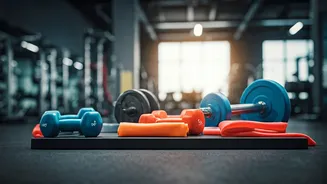
Enter the new paradigm: strength. The weight room, once seen as the exclusive domain of bodybuilders, has gone mainstream, particularly for women. This isn't just about building bigger muscles; it's about gaining capability. Strength training is being celebrated for its profound benefits that go far beyond the mirror. It builds bone density, boosts metabolism, improves insulin sensitivity, and enhances mental fortitude. On social media, influencers and everyday users alike are trading 'what I eat in a day' videos for 'deadlift PR' clips. The conversation has shifted from the pursuit of being smaller to the empowerment of being stronger. This goal is tangible and progressive. You can measure it not by the space you occupy, but by the force you can generate. It’s a profound psychological shift from wanting to disappear to wanting to feel powerful in your own skin.
Sleep as a Performance Enhancer
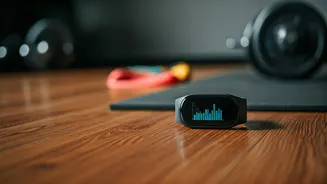
The second pillar of this new fitness philosophy isn't found in the gym at all—it's in the bedroom. For years, 'hustle culture' lionized sleep deprivation as a badge of honor. To be successful was to run on fumes. Today, that idea is being overwhelmingly rejected. Sleep is now framed as the ultimate performance enhancer. It’s the foundation upon which all other health goals are built. High-quality rest is critical for muscle repair, hormone regulation, cognitive function, and immune health. This isn't just anecdotal wisdom; it’s a booming market. Wearable tech like the Oura Ring and Whoop band have gamified recovery, providing users with daily 'readiness scores' based on sleep quality. Suddenly, getting eight hours isn't lazy—it's a strategic advantage for a stronger workout, a sharper mind, and a more resilient body.
A Quiet Rebellion Against Burnout
So, why the change? This move toward strength and sleep is more than a fleeting trend; it’s a cultural response. It’s a rebellion against the toxic tenets of diet culture that told us our worth was tied to our weight. It’s a rejection of the burnout epidemic that glorified exhaustion as a status symbol. The pandemic played a key role, forcing a collective re-evaluation of what 'health' truly means. Faced with a global health crisis, many people shifted their focus from aesthetics to resilience and longevity. We no longer just want to look good; we want to feel capable, energetic, and robust. Building strength provides a sense of control and self-sufficiency, while prioritizing sleep is an act of self-preservation in a world that constantly demands more. It's a quieter, more sustainable approach to wellness that values feeling good over just looking a certain way.