
The Foundation: Your Floor's First Defense
Before you even pick a plant, the secret to worry-free greenery is the setup. The plant itself rarely ruins a floor; it's the water and soil escaping the pot that does the damage. First, ensure every single pot has a drainage hole. This is non-negotiable
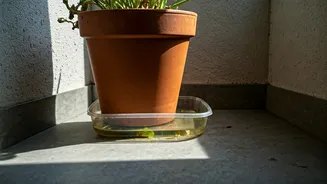
for plant health and prevents root rot. Second, pair every pot with a deep, appropriately sized saucer or drip tray. Don't use a decorative plate; you need something that can hold at least 10% of the pot's volume in water. For extra protection, especially on hardwood or laminate, place a cork mat or a small, clear plastic protector under the saucer. This creates an impermeable barrier. Finally, consider elevating your plants. Simple metal or wooden plant stands not only look great but also lift your pots off the floor, making any potential leaks immediately obvious and preventing moisture from getting trapped underneath.
The Plant: Snake Plant (Dracaena trifasciata)
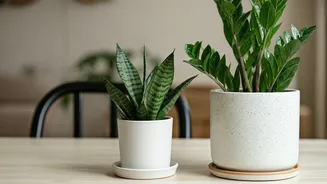
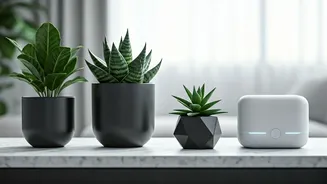
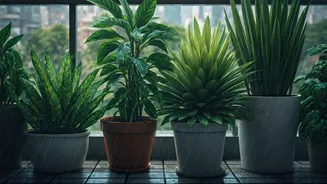
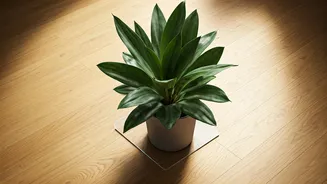
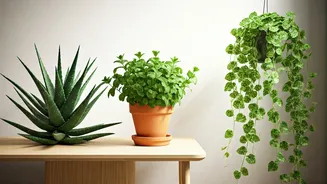
The Snake Plant is the gold standard for low-maintenance, renter-friendly greenery. Its tough, upright leaves grow vertically, meaning it won't shed or drop debris all over your floor. More importantly, it thrives on neglect and hates being overwatered. You’ll likely only need to water it once a month, drastically reducing the opportunities for leaks and spills. Its root system is also relatively contained. Because it prefers to be dry, you’ll never have a pot sitting in a soggy, overflowing saucer. It's the definition of a set-it-and-forget-it plant that respects your living space.
The Plant: ZZ Plant (Zamioculcas zamiifolia)
Much like the Snake Plant, the ZZ Plant is a drought-tolerant superstar. Its beautiful, waxy leaves are excellent at retaining water, meaning it requires infrequent watering—every 3-4 weeks is often plenty. This dramatically lowers the risk of creating a waterlogged mess. The waxy coating on its leaves also means they are less likely to dry out, turn brown, and drop onto your floor, keeping your space tidy. The ZZ plant is forgiving of low light and general neglect, making it a perfect companion for a busy renter who wants the look of a thriving plant without the constant, messy maintenance.
The Plant: Pothos (Epipremnum aureum)
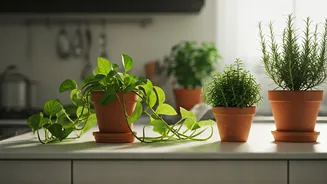
While Pothos can be a fast-growing vine, its greatest asset for a renter is its communication skills. This plant visibly droops when it’s thirsty, telling you exactly when it needs water and eliminating the guesswork that leads to overwatering. You water it, and within hours, it perks right back up. This clear signal prevents the chronic over-saturation that causes most pot leaks. Furthermore, Pothos is perfect for hanging baskets. By hanging it from the ceiling or placing it on a high shelf, you remove the pot from the floor entirely, making any potential drips a non-issue. Its versatility makes it a top-tier choice for adding greenery without floor risk.
The Plant: Air Plants (Tillandsia)
For the ultimate floor-safe option, look no further than Air Plants. These unique plants don't require any soil, immediately eliminating the biggest source of mess. They absorb water and nutrients through their leaves, not roots. Caring for them involves a weekly soak in a bowl of water for 20-30 minutes and then letting them dry completely upside down on a towel before returning them to their decorative perch. Since their entire watering routine happens away from your floor—over a sink or on a protected counter—there is zero risk of soil stains or water damage. You can place them in glass terrariums, on pieces of driftwood, or in minimalist wire holders anywhere in your home.
Smart Habits for a Clean Space
Your technique matters as much as your tools. First, always check the soil before watering. Stick your finger two inches deep; if it feels damp, wait. This single habit prevents the number one cause of leaks: overwatering. Second, use a watering can with a long, narrow spout. This allows you to deliver water directly to the soil without splashing onto the leaves and floor. Consider 'bottom watering' for smaller plants: place the pot in a sink or tub with a few inches of water and let it absorb moisture from the bottom up for 15-20 minutes. This ensures the roots get a deep drink without water ever flowing out the top. After watering, make it a habit to check saucers an hour later and dump any excess water. Never let a pot sit in a full tray.