








What Is the Festival of Chariots?
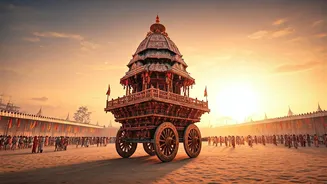
What you're seeing is Ratha Yatra, which translates to “chariot journey.” It’s one of the oldest and most significant festivals in the Hindu tradition, originating centuries ago in the city of Puri in Eastern India. At its heart, Ratha Yatra is a massive
public procession dedicated to Lord Jagannath (a form of Vishnu), his brother Balabhadra, and his sister Subhadra. For one day, the deities are brought out of their temple sanctuary and placed on three enormous, ornate wooden chariots. Devotees then pull these chariots with thick ropes through the streets, allowing everyone, regardless of background or creed, to see the gods. It's a celebration of spiritual equality and public devotion, turning the entire city into a moving temple.
A Journey With Deep Symbolism
This isn't just a parade; it's a pilgrimage with a purpose. The procession reenacts Lord Krishna's (whom Jagannath embodies) fabled journey from Gokul to Mathura. In Puri, the chariots travel about two miles from the main Jagannath Temple to the Gundicha Temple, which is considered the deities' garden home or aunt's house. They reside there for about a week before making the return journey. The act of pulling the chariot ropes is considered deeply auspicious. It symbolizes pulling God into your heart and steering your own life towards a spiritual path. The festival's most powerful message is its accessibility—by coming out into the open, the deities break down barriers between the divine and the masses, offering blessings to all who witness the event.
Engineering an Ancient Spectacle
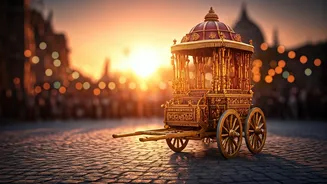
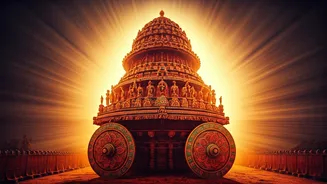
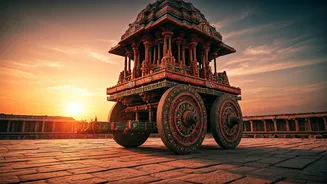
The chariots themselves are marvels of traditional craftsmanship and sacred engineering. They are not permanent structures; they are constructed anew each year from specific types of wood, following strict specifications laid out in ancient texts. Lord Jagannath’s chariot, Nandighosha, is the largest, standing around 45 feet tall with 16 massive wheels. The other two are slightly smaller. A dedicated community of carpenters, blacksmiths, painters, and tailors works for weeks to build and decorate these temporary mobile temples. The sheer scale—towering structures covered in vibrant fabrics and intricate carvings, moved only by human force—creates the awe-inspiring visuals that are now going viral online. It's a testament to collective faith and communal effort.
From Puri to a City Near You
While the Ratha Yatra in Puri is the original and largest, the festival's message of unity and public devotion has helped it spread across the globe. Thanks largely to the efforts of the International Society for Krishna Consciousness (ISKCON), Ratha Yatra festivals are now celebrated in over 100 cities worldwide, from London and Toronto to New York and San Francisco. These global festivals replicate the core elements of the Puri event, with devotees building and pulling chariots through major city streets. This global presence is a key reason for the surge in online interest; footage isn't just coming from a distant land but from recognizable Western cities, blending ancient tradition with modern urban landscapes and making it accessible to a whole new audience.
Why It's Captivating the Internet Now
So, why the sudden explosion in curiosity? Ratha Yatra is almost perfectly designed for the visual, shareable culture of the internet. The festival provides a powerful combination of spectacle and substance that algorithms and audiences love. You have the immense, colorful chariots (the 'wow' factor), the massive crowds united in purpose (human connection), and the rhythmic music and chanting (an immersive audio-visual experience). In a world of curated digital perfection, the raw, unfiltered, and deeply human effort of pulling a 45-foot chariot through a crowded street is profoundly compelling. It's ancient, authentic, and visually spectacular—a perfect storm for sparking curiosity on platforms like Instagram and TikTok.