






More Than Just a Sweat
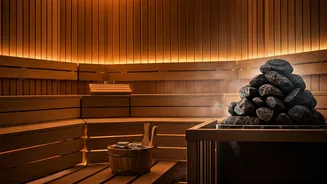
Imagine this: a crisp evening, a group of friends gathered around a crackling fire pit, laughter mixing with the cool air. Nearby, a rustic, wood-fired sauna glows warmly. Inside, it’s not the hushed, sterile environment of a gym, but a lively space where
conversations flow as freely as the sweat. This is the essence of a sauna social. These gatherings are transforming the ancient practice of communal bathing into a modern wellness phenomenon. At its core, a sauna social combines the therapeutic benefits of heat therapy with the simple, powerful act of human connection. Participants cycle between intense heat in the sauna, a bracing cold plunge in a nearby lake or tub, and a period of rest and conversation. It’s a sensory experience designed to jolt the body and calm the mind, but its biggest draw is that you do it together. Unlike the often-isolating pursuit of self-care, this is wellness as a shared activity.
Why Wellness Got Social
The rise of the sauna social isn't happening in a vacuum. It's a direct response to a world saturated with digital isolation and performative wellness. After years of curated-for-Instagram solo hikes and silent retreats, many are craving something more authentic and less lonely. The pandemic amplified this hunger for genuine community, leaving people searching for ways to reconnect that don't involve a screen or a crowded bar. The sauna provides a unique “third space.” It’s a phone-free zone by necessity (your device would cook), forcing everyone to be present. This shared vulnerability—everyone is just a person in a towel—strips away social pretenses and fosters surprisingly open conversations. Wellness experts note that this social component is not just a bonus; it’s a key part of the therapeutic effect. Feeling connected and part of a community is a powerful antidote to stress and anxiety, amplifying the physiological benefits of the sauna itself.
Ancient Ritual, Modern Vibe
While communal bathing is a tradition rooted in Finnish, Russian, and Turkish cultures, its American revival is distinctly modern and accessible. The trend is being driven by a new wave of entrepreneurs building everything from mobile saunas that pop up at breweries and music festivals to permanent “social bathhouses” in urban centers. Companies like Stokeyard Outfitters in Minnesota and Cedar & Stone in the Hudson Valley have built entire communities around their wood-fired saunas, hosting public sessions and private events that feel more like a relaxed block party than a rigid spa appointment. This new iteration democratizes the experience. You don't need to belong to a fancy country club or book a flight to Scandinavia. You might find a sauna social at a local farm, on a city rooftop, or pulled up to a beach. The vibe is inclusive and casual, attracting a diverse crowd seeking a low-key way to unwind and meet new people.
What to Expect on Your First Go
Dipping your toe into the sauna social scene can feel intimidating, but the reality is refreshingly low-stakes. First, hydration is key—drink plenty of water before, during, and after. You’ll typically need two towels (one to sit on, one for drying off), a swimsuit, and a pair of sandals. The core of the experience is the cycle: about 10-15 minutes in the sauna, followed by a quick, exhilarating cold plunge, and then 10-15 minutes of resting and socializing before repeating. The cold part might sound daunting, but it’s what creates the euphoric rush of endorphins. As for etiquette, just be yourself. While some saunas have quiet hours, most socials are meant for conversation. Don't feel pressured to talk, but be open to it. It’s a welcoming environment built on mutual respect and the shared goal of feeling good. The focus is on comfort and community, not endurance.