

The Queen of Hills Sets the Stage
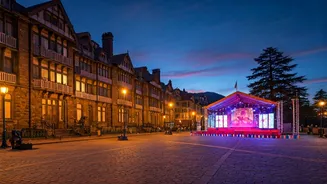
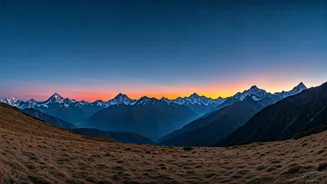
Perched at over 7,000 feet in the Himalayan foothills, Shimla has long been a storybook destination. Its past as the summer capital of British India is etched into every mock-Tudor facade and Gothic church spire lining the famous Mall Road. Tourists flock
here for the panoramic views, the charming toy train, and the welcome escape from the heat of the plains. But as day-trippers retreat and the evening chill descends, a different, more authentic energy emerges. This is when the town’s deep-rooted cultural identity awakens, not in a museum, but live on the streets and stages, carried on that cool mountain breeze.
The Rhythms of the Valley
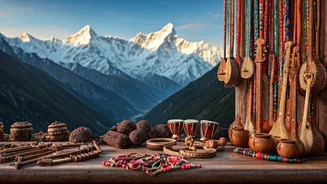
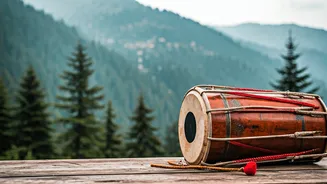
The sound often starts with a single, resonant boom of a ‘dhol’ drum, a beat that seems to emanate from the very heart of the mountains. Soon, it’s joined by the higher-pitched patter of the ‘nagara’ and the winding, almost mystical call of the ‘shehnai,’ a reeded wind instrument. This is the unmistakable soundscape of Himachal Pradesh. Unlike a polished concert hall performance, Himachali folk music is raw, powerful, and deeply connected to the land. The melodies tell stories of harvest, of changing seasons, of devotion, and of the simple joys and hardships of mountain life. It’s a music meant to be felt as much as heard, a vibration that travels from the cobblestones up through your feet, compelling you to stop and listen.
A Dance of Unity and Joy
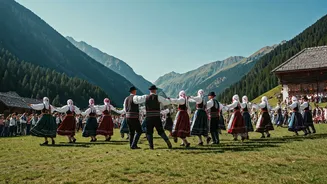
Where there is music, there is dance. The most iconic performance you’ll witness is the Nati, a slow, graceful folk dance that holds a Guinness World Record for the largest attendance. Men and women, dressed in traditional finery—intricately embroidered woolen tunics, vibrant sashes, and the distinctive green-and-maroon Kullu caps—form long, swaying lines or circles. Their movements are not explosive but fluid and unified, a beautiful expression of community. Each step is synchronized, a testament to a shared heritage passed down through generations. Watching the Nati is hypnotic; it’s a celebration, not a performance for tourists, and you feel like a privileged guest at a local gathering.
Where to Find the Magic
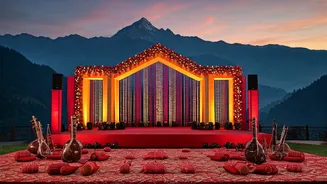
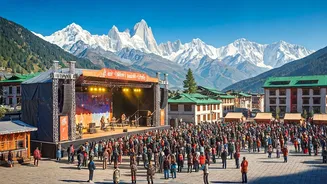
These cultural encounters aren't hidden away. The most accessible venue is The Ridge, Shimla’s large open-air plaza. During the Shimla Summer Festival, typically held in June, this space transforms into a cultural hub with nightly performances. But even on a regular evening, you might stumble upon a troupe practicing or performing for the sheer love of it. For a more formal setting, the historic Gaiety Theatre, an exquisite Victorian-era playhouse, often hosts folk music and dance events. Its plush velvet seats and ornate balconies offer a fascinating contrast to the earthy, rustic art form on stage, perfectly encapsulating Shimla’s unique blend of colonial grandeur and indigenous soul.