




The Tomato’s Red-Carpet Moment
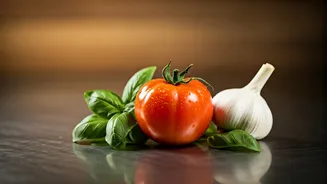
Consider the tomato. For generations, its highest ambition in a restaurant was to be a serviceable slice tucked into a BLT or a forgettable wedge in a side salad. No longer. We’re now living in the age of the Tomato Plate, a dish that often commands a price
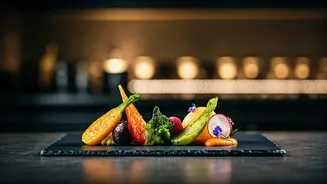
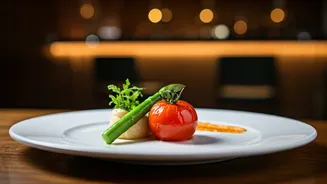
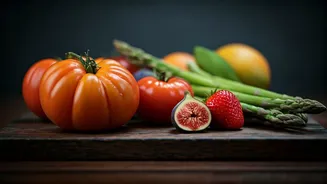
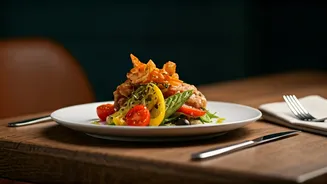
north of $20 and inspires a cult-like devotion typically reserved for dry-aged steak.Chefs are treating peak-season heirlooms like precious gems. They’re served simply, but with purpose: thick-cut, sprinkled with flaky sea salt, drizzled with 25-year-old balsamic or phenomenal olive oil. They’re paired not with a jumble of other vegetables, but with supporting actors that elevate them—creamy burrata, whipped feta, a scattering of toasted breadcrumbs, or a single, perfect basil leaf. This isn’t a salad; it’s a portrait. The goal is to present the unadulterated, sun-drenched flavor of a perfect tomato, a taste so potent it needs no distraction.
Corn Sheds Its Supporting Role
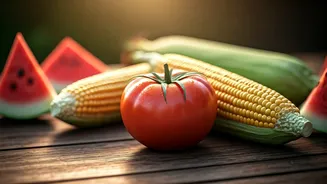
Corn on the cob has been relegated to the role of “easy side dish” for centuries. You boil it, you butter it, you’re done. But in restaurants today, corn is getting a radical rewrite. It’s being treated as a vegetable with complexity, texture, and a sweetness that can be bent into savory, smoky, and even spicy directions.You’ll find it grilled and slathered in creative aiolis far beyond the classic Mexican street corn, incorporating things like black garlic, truffle, or Calabrian chili. Chefs are shaving the kernels from the cob and folding them into creamy, risotto-like dishes, often finished with parmesan or pecorino. Some are even using the “corn milk” scraped from the cob to create velvety sauces and puddings. The message is clear: corn isn’t just filler. It’s a versatile ingredient capable of carrying a dish entirely on its own.
When Watermelon Goes Savory
Watermelon has always been the ultimate sign-off to a sweltering summer day: a sweet, hydrating, and delightfully messy treat. But its culinary potential was largely untapped beyond being a simple fruit salad component. Now, it’s being reimagined as a sophisticated, savory star.One of the most popular transformations is the watermelon and feta salad, a now-classic combination that plays on the salty-sweet dynamic with the addition of mint, red onion, and a light vinaigrette. But chefs are pushing it further. You’ll see compressed watermelon, a technique that intensifies its flavor and gives it a denser, meatier texture, making it a surprising and delicious base for crudos. Others are grilling thick watermelon “steaks” until they’re smoky and caramelized, serving them as a vegan centerpiece. It’s a testament to the fruit’s versatility, proving it can be more than just a sweet, drippy dessert.
So, Why Now?
This shift isn’t happening by accident. It’s a perfect storm of culinary philosophy and cultural mood. First, there’s the chef-driven obsession with peak-season produce. A tomato in August or corn in July tastes fundamentally different, and kitchens are increasingly built around celebrating that fleeting perfection. Why mask an ingredient at its absolute best?Second is the pull of nostalgia. In a complicated world, there’s immense comfort in the flavors of our childhood summers. Restaurants are tapping into that feeling, but executing it with professional technique, giving us a taste of memory, but better. Finally, it represents a mature confidence in cooking. The best chefs don’t need to hide behind complex foams and gels to prove their skill. Showing the restraint to source a perfect ingredient and present it simply is its own form of mastery. It’s a celebration of the ingredient itself, not just the chef’s ego.