


The So-Called 'Admin Nightmare'
For the average American traveler, visiting Paris or Rome involves little more than booking a flight and a hotel. For their counterparts in Chennai, India, the process is a different beast entirely. The 'admin nightmare' refers to the grueling, expensive,
and often uncertain process of securing a tourist visa for destinations like the United States, the U.K., and the Schengen Area of Europe. Imagine wanting to take a two-week vacation. First, you must fill out extensive online forms detailing your personal and financial history. Then, you hunt for an appointment slot at a consulate, which can sometimes be months away. You gather a mountain of paperwork: bank statements for the last six months, letters from your employer, detailed itineraries, proof of hotel bookings, and tax returns. After paying a non-refundable fee that can exceed $200, you attend a brief, high-stakes interview where your entire trip hangs in the balance. A rejection means your money and effort are wasted. This gauntlet of anxiety and paperwork is precisely what a growing number of Indian travelers are deciding to skip.
The Rise of the Spontaneous Getaway
This isn't just a story about paperwork; it's about a fundamental shift in travel psychology. India's burgeoning middle and upper-middle class, particularly in economic hubs like Chennai, have more disposable income than ever before. They are eager to see the world. However, they are also time-poor and value convenience. The traditional, long-planned annual vacation is being supplemented—and sometimes replaced—by the desire for quick, spontaneous trips. Long-weekend getaways to a neighboring country are becoming increasingly popular. But spontaneity is impossible when a trip requires a three-month planning-and-application cycle. The frustration is palpable. After years of pandemic-related restrictions, travelers want freedom and ease. They are voting with their passports, and their message is clear: if you make it difficult for us to visit, we will take our tourist dollars elsewhere.
Where a Passport is the Only Ticket
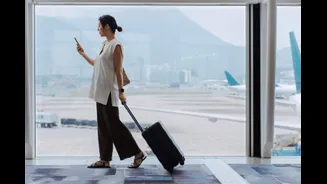
So, where are they going? To the growing list of countries that have recognized the immense potential of the Indian tourist market and rolled out the welcome mat. Nations in Southeast Asia have been the biggest beneficiaries. Thailand, Malaysia, and Sri Lanka have recently announced temporary visa-waiver programs for Indian citizens, leading to an immediate surge in bookings. Vietnam, with its simple and fast e-visa process, has become a breakout star. These destinations offer the perfect blend of exotic appeal, affordability, and, most importantly, accessibility. A family in Chennai can decide on a Tuesday to visit the beaches of Thailand and be on a plane by Friday, armed with nothing more than their passports. Other visa-free or visa-on-arrival havens like the Maldives, Mauritius, and Kenya have long been popular, but the recent moves by closer neighbors have supercharged the trend. They offer a hassle-free experience that feels more like a welcome than an interrogation.
Redrawing the Global Tourism Map
This trend is more than just a collection of individual vacation choices; it represents the soft power of an open-door policy. While Western nations grapple with complex immigration politics that spill over into tourism, other countries are seizing a massive economic opportunity. The Indian outbound tourism market is projected to be worth over $42 billion, and every country wants a piece of it. By simplifying entry, countries like Thailand and Malaysia aren't just gaining tourists; they're building a reputation as welcoming and friendly destinations, which pays dividends in cultural exchange and future investment. This pragmatic approach is effectively redrawing the tourism map for one of the world's largest populations of travelers. The power is shifting from traditional Western capitals to the dynamic hubs of Asia and beyond, all because they understood a simple truth: the best part of a vacation should not be surviving the process to get there.