


The Sea of Milk Awakens
When Americans think of Goa, they picture sun-drenched beaches and tranquil yoga retreats. But venture inland, deep into the lush Western Ghats mountain range, and you’ll find a force of nature that shatters that serene image. Dudhsagar Falls, whose name
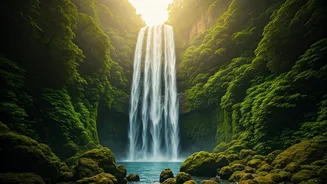
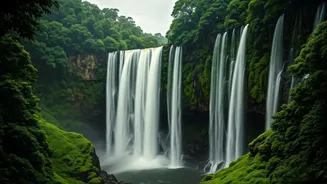
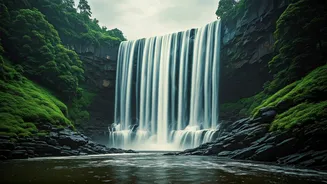
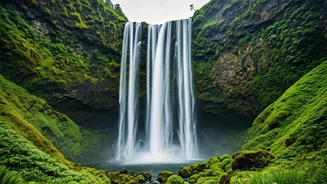
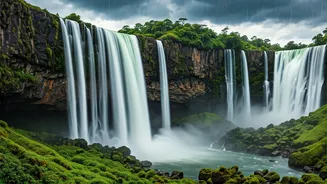
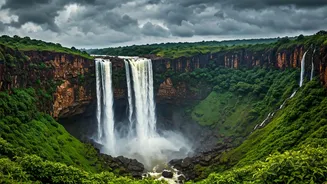
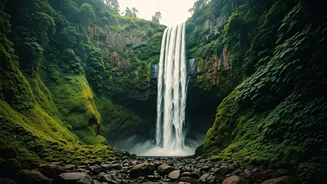
translates to “Sea of Milk,” is a four-tiered behemoth that plunges over 1,000 feet along the Mandovi River. For much of the year, it’s a beautiful, if somewhat standard, ribbon of white water cascading down dark rock. But when the southwest monsoon arrives in late June, Dudhsagar undergoes a violent, magnificent transformation. The placid stream becomes an unstoppable torrent, a churning, roaring avalanche of white water that seems to consume the entire mountainside. This isn’t just a waterfall; it’s an event. It’s the landscape coming alive with a power that feels ancient and absolute.
Why Late June is the Magic Hour
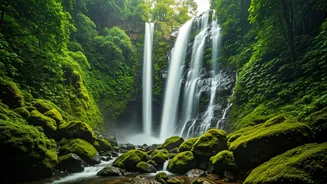
Timing is everything. Arrive a month earlier, and you’ll wonder what all the fuss is about. Arrive a month later, during the peak of the monsoon in late July or August, and the sheer volume of rain can make the journey impassable, with park authorities often closing access for safety. Late June is the sweet spot. It’s the moment of ignition. The first serious monsoon rains have fallen, swelling the river and giving the falls their signature, milk-like volume and fury. The surrounding forest of the Bhagwan Mahaveer Sanctuary and Mollem National Park, parched from the dry season, erupts into an almost impossibly vibrant green. The air is thick with the smell of wet earth and the promise of more rain to come. Visiting at this time is like catching the opening night of a blockbuster show—you get all the drama and spectacle before the crowds and logistical challenges of peak season set in. You are witnessing a rebirth, a moment of pure, unbridled energy.
The Journey Is Part of the Spectacle
Reaching Dudhsagar is an adventure in itself, a world away from a simple drive to a scenic viewpoint. The primary route for visitors is a bone-rattling 45-minute jeep safari that departs from the village of Kulem. These 4x4s ford rivers and navigate muddy, rutted tracks through dense jungle, building a sense of anticipation that a paved road never could. The journey strips away the modern world, immersing you in the sights and sounds of the wild. You feel the humidity, hear the calls of exotic birds, and see the forest grow thicker with every bump and splash. An even more iconic, though less direct, view of the falls comes from the railway line that improbably crosses the cascade midway up its face. Trains on the Hubli-Madgaon route slow to a crawl here, giving passengers a breathtaking, heart-in-your-throat perspective of the water crashing down just feet from their window. The journey reinforces the falls’ remoteness and power, making the final reveal that much more rewarding.
A Spectacle of Raw, Thundering Power
You hear Dudhsagar long before you see it—a low, constant rumble that grows into a deafening roar. As you emerge from the forest trail, the scene is overwhelming. It’s not a single, elegant plume but a massive, wide curtain of water so voluminous and turbulent that it appears white and opaque, justifying its “Sea of Milk” moniker. The spray creates a permanent cloud of mist, cooling the air and soaking everything within hundreds of feet. The sheer scale is difficult to process. Looking up at the water as it appears from the jungle canopy, thunders past the stone railway bridge, and crashes into the pool below feels like watching a force of geology, not just hydrology. It’s a humbling experience that recalibrates your sense of nature’s power. While other waterfalls offer beauty, Dudhsagar in late June offers awe—a visceral, unforgettable encounter with the planet at its most dramatic.