








Let's Address the Elephant in the Room
First things first: No, buying a specific set of linen clothing will not, in any direct way, cause your bank to stop charging you a monthly maintenance fee. There is no secret backroom deal between Big Linen and the financial industry. You cannot walk
into your local branch, show them your tastefully curated collection of neutral-toned trousers and button-downs, and expect the teller to waive your overdraft charges. The headline feels like a collision of two very different online worlds: the world of personal finance hacks and the world of minimalist fashion influencers. One is about saving money with shrewd, practical tips. The other is about, well, spending money—albeit thoughtfully—on a curated lifestyle. The idea that they are a single, unified solution is, frankly, absurd. So, why are we even talking about it? Because hidden inside this nonsensical premise are two genuinely useful ideas that are worth exploring separately.
How to *Actually* Dodge Heavy Checking Fees
Now for the first half of the promise. Banks charge checking fees for a simple reason: they can. Monthly maintenance fees, which can run anywhere from $10 to $15, are a common revenue stream. Add in overdraft fees, which average around $30 per transaction, and your account can quickly become a financial drain. But you don't have to stand for it. Most banks offer clear, achievable ways to have these fees waived. The most common methods include: 1. **Setting up direct deposit:** Many banks will waive the monthly fee if you have a recurring direct deposit from an employer or government agency hitting your account each month. 2. **Maintaining a minimum balance:** This is another classic. If you can keep a certain amount of money in the account at all times (e.g., a daily balance of $1,500 or an average monthly balance of $5,000), the fee is often waived. This is great if you can afford it, but less helpful if you’re living paycheck to paycheck. 3. **Linking accounts:** Some larger banks will waive fees if you have multiple products with them, such as a checking account, a savings account, and a credit card or mortgage. 4. **Choosing a different bank:** The easiest solution might be to switch to an institution that doesn't charge these fees in the first place. Many online banks and local credit unions offer genuinely free checking accounts with no strings attached.
What is a 'Multi-Purpose Linen Capsule'?
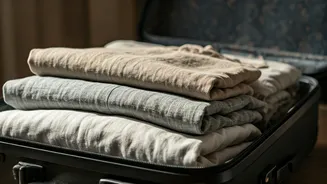
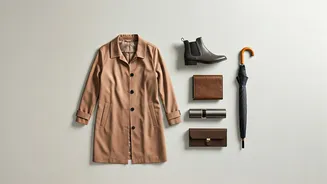
Let’s tackle the other side of this bizarre equation. A "capsule wardrobe" is a collection of a few essential, high-quality items that can be easily mixed and matched to create a wide variety of outfits. The goal is to simplify your life, reduce decision fatigue, and curb impulsive shopping by focusing on versatile pieces you truly love. A "linen capsule" simply applies this philosophy to a specific fabric—linen, which is beloved for being lightweight, breathable, and effortlessly chic, especially in warmer weather. A multi-purpose linen capsule might include items like a pair of wide-leg linen pants, a simple linen dress, a classic button-down shirt, a relaxed-fit blazer, and a pair of shorts. In neutral colors like beige, white, black, and olive, these few pieces could be combined to create dozens of outfits for work, weekends, and even semi-formal events. The 'multi-purpose' aspect is baked into the capsule concept itself.
The Real (and Only) Connection
If we're being extremely generous, we could argue that there is one philosophical thread connecting these two ideas: mindfulness. The discipline required to stick to a capsule wardrobe is rooted in mindful consumption—you think carefully about every purchase and prioritize long-term value over fleeting trends. This mindset often leads to spending less on clothes overall. Similarly, actively managing your bank account to avoid fees requires financial mindfulness. It means paying attention to your balance, understanding your bank's rules, and being proactive about your financial health. So, does adopting a capsule wardrobe automatically lead to better banking habits? No. But the type of person who is drawn to the discipline and intentionality of a capsule wardrobe might also be the type of person who is motivated to optimize their finances and eliminate wasteful fees. The connection isn't a direct hack; it's a shared mindset of living smarter and more intentionally with your resources, whether they're in your closet or your checking account.