
Why We’re Craving Natural Textures Again
The resurgence of bamboo and jute isn’t happening in a vacuum. It’s a direct response to our increasingly digital, sterilized lives. After years dominated by cool, impersonal minimalism and mass-produced plastics, we’re collectively craving warmth, authenticity,
and a connection to the natural world. This movement, often called “biophilic design,” is about bringing the outside in to create spaces that feel calming and grounding. Bamboo and jute are the perfect ambassadors for this shift. They’re sustainable, full of character, and add a layer of tactile texture that a flat-pack particleboard bookshelf simply can’t replicate. This isn't about nostalgia; it's about a conscious choice for materials that feel good, look good, and tell a more organic story.
Bamboo: Sleek, Strong, and Sustainable
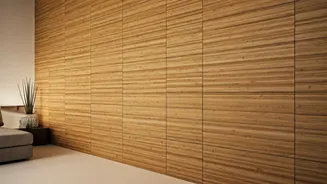
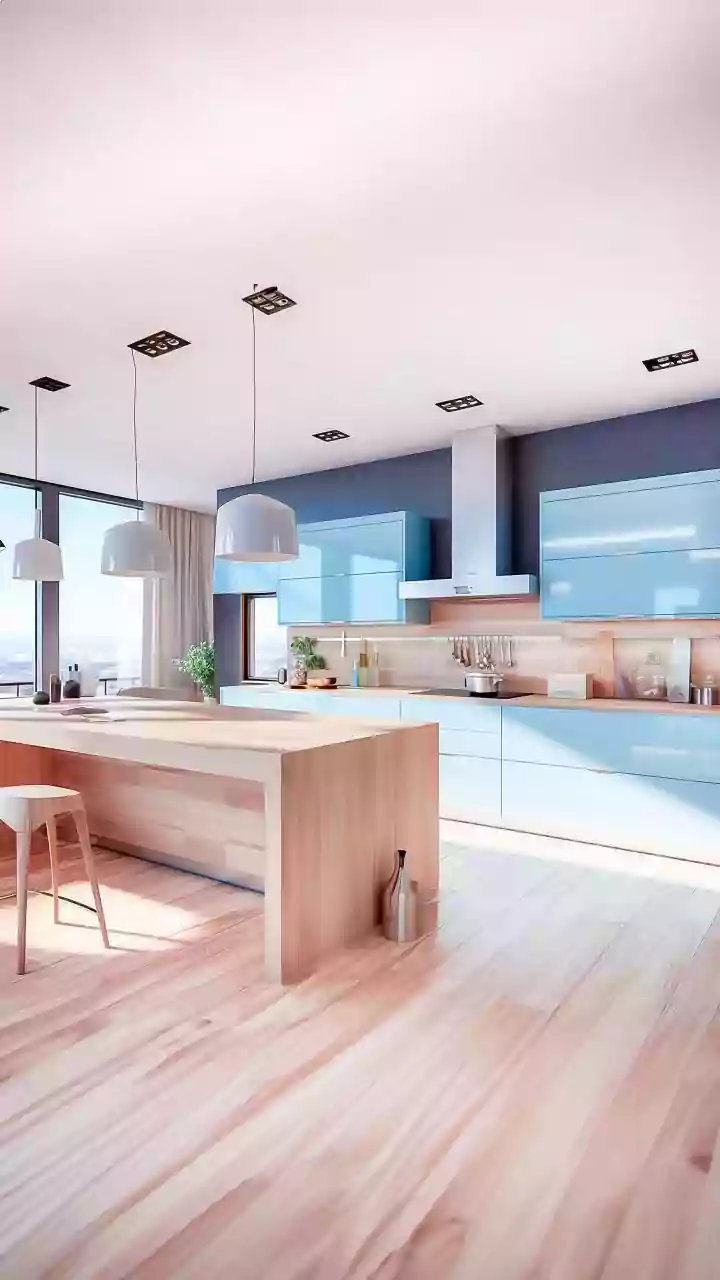
If you hear “bamboo” and immediately picture dated tiki-bar furniture, it’s time for a refresh. Today’s bamboo is less about retro kitsch and more about clean, modern elegance. As one of the world's fastest-growing plants (technically a grass), it’s a highly renewable resource, making it a go-to for eco-conscious designers. Its versatility is its greatest strength. You’ll find it in light, airy pendant lamps that cast beautiful shadows, as durable and beautiful flooring, and in sculptural chairs that blend seamlessly into Scandinavian or “Japandi” (a mix of Japanese and Scandinavian design) aesthetics. The key is its refined form. Modern bamboo pieces often highlight the material’s linear quality and warm, honey-toned color, using it to bring a touch of nature to an otherwise contemporary space without overwhelming it.
Jute: The Humble Hero of Warmth
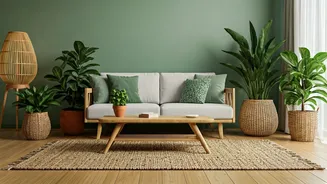
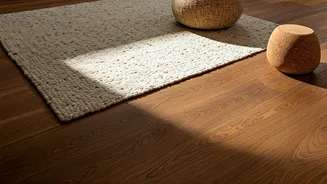
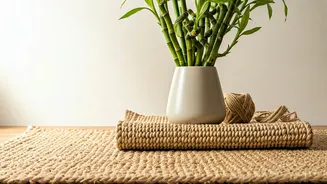
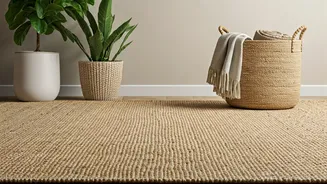
Where bamboo offers structure, jute offers softness and soul. This humble fiber, spun from the stalks of the jute plant, is the ultimate textural workhorse. Its most common application is the area rug, and for good reason. A large jute or sisal rug can instantly ground a room, defining a space and adding a dose of rustic warmth that makes everything else—from a velvet sofa to a metal-and-glass coffee table—feel more inviting. But its talents don’t stop there. Woven jute baskets are the chicest way to hide clutter, from throw blankets to children's toys. Jute-wrapped pendant lights add a coastal vibe, while chunky jute poufs offer casual, flexible seating. The beauty of jute is its imperfection; the slightly rough, nubby texture provides a necessary counterpoint to the smooth, hard surfaces that dominate modern interiors.
How to Make It Modern, Not Cliché
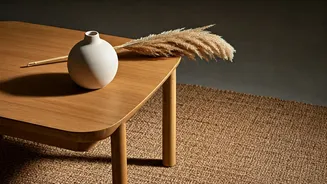
Incorporating these natural fibers without making your home look like a 1970s time capsule or a theme-park cabana is all about balance. The cardinal rule is to mix, not match. Pair a woven jute rug with a sleek, modern sofa. Place a minimalist ceramic vase on a bamboo side table. The contrast is what makes it feel fresh and intentional. Second, think in terms of accents. Unless you’re fully committed to a bohemian or coastal aesthetic, use these materials to add texture rather than dictate the entire theme. A few bamboo planters and a jute-framed mirror are often all you need. Finally, consider the context. In a room with crisp white walls and black accents, a large jute rug feels sophisticated and architectural. In a space filled with color and pattern, bamboo lighting can act as a neutral, calming element. It's about using these materials as a strategic layer to add depth and personality.