

From Frugality to Flash
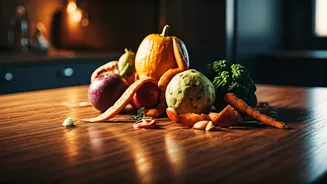
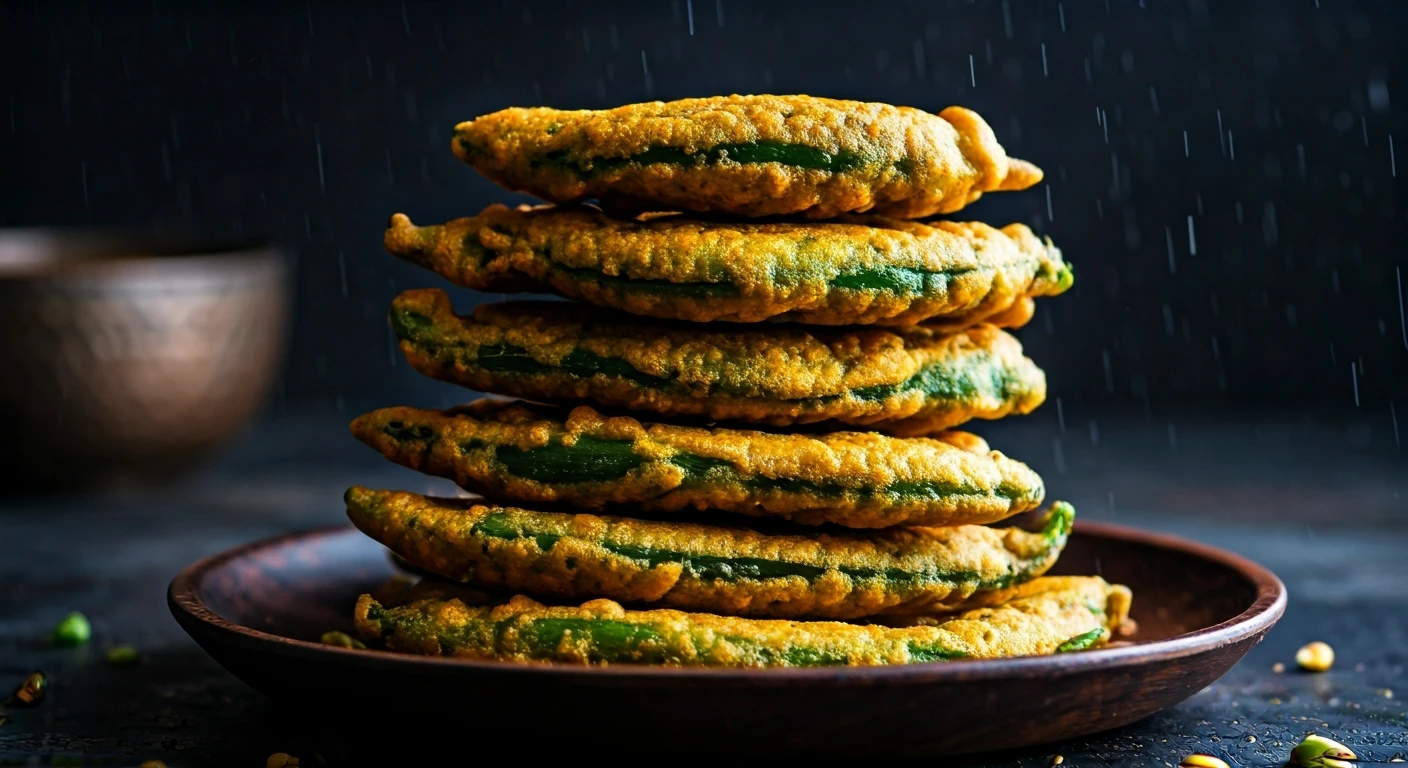
On Instagram and TikTok, a new wave of food creators is making thriftiness look chic. They’re transforming potato peels into crispy snacks, turning wilting herbs into vibrant chutneys, and finding a dozen uses for the whey left over from making paneer.
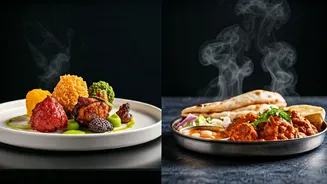
This is the “Desi glow-up” of low-waste cooking. It’s not about inventing a new philosophy; it’s about reclaiming and celebrating the resourceful, everything-gets-used ethos that has defined South Asian (Desi) home cooking for generations. The “glow-up” is the presentation: beautifully shot videos, modern recipes in best-selling cookbooks, and a confident voice that positions this inherited wisdom as aspirational, sustainable, and undeniably cool for a 21st-century global audience.
It’s Not a Trend, It’s a Truism
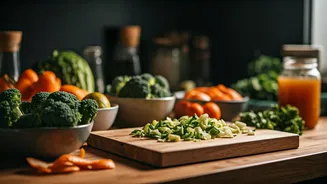
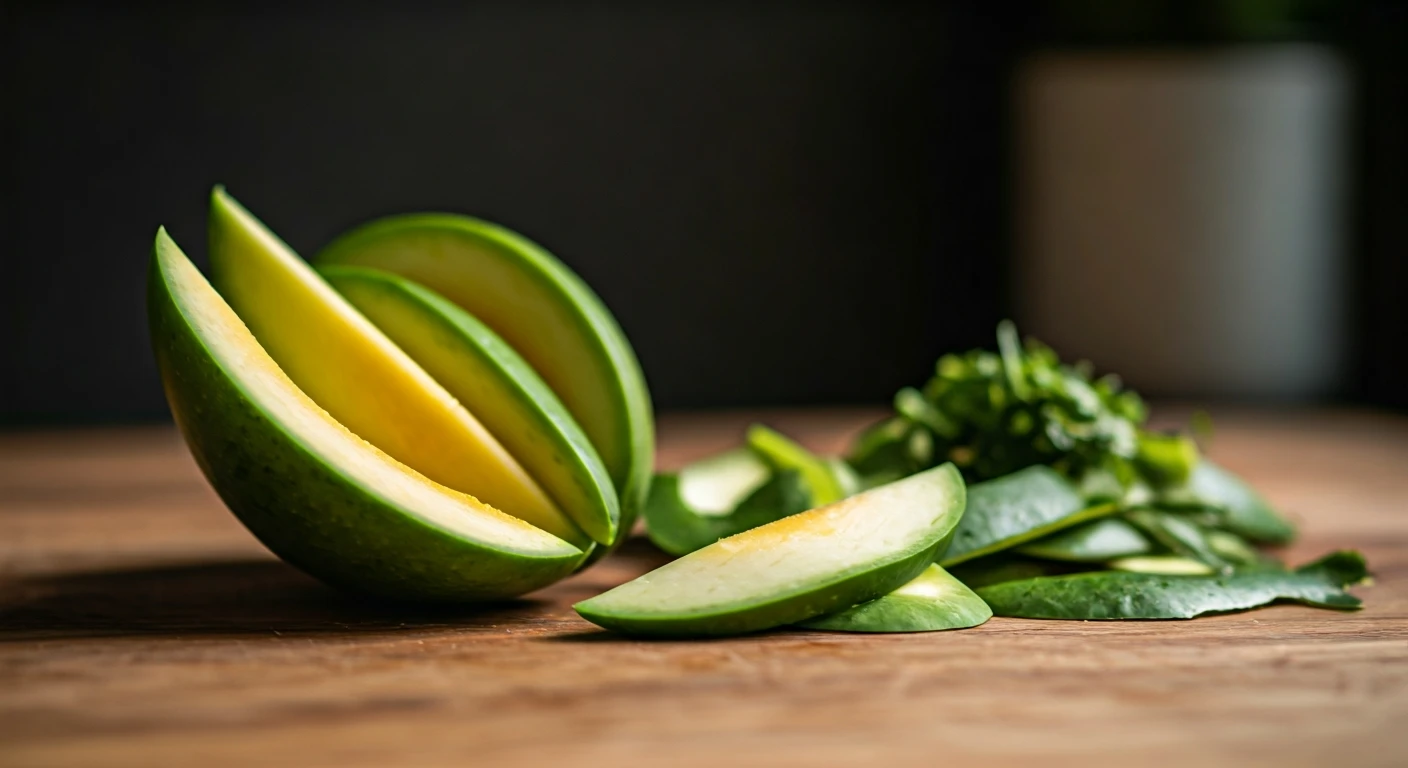
For anyone who grew up in or around a Desi kitchen, the principles of “root-to-stem” or “nose-to-tail” cooking are less a revolutionary concept and more a statement of the obvious. This isn't a movement born from climate anxiety alone, but from a long history of making the most of what you have. That meant tough cauliflower stems and leaves weren’t destined for the compost; they were finely chopped and added to sabzis (vegetable dishes) or parathas. The watery whey from homemade cheese was never poured down the drain; it was used to knead dough for softer rotis or drunk as a nutritious beverage. Leftover rice from dinner was reborn the next morning as a savory, spiced breakfast. This was cooking born of practicality, respect for ingredients, and the economic realities faced by countless families. It was sustainability as a way of life, long before it became a hashtag.
The New Culinary Storytellers
This modern reframing is being led by a generation of chefs and authors who are bridging the gap between their heritage and their contemporary lives. Writers like Priya Krishna, in her influential cookbook *Indian-ish*, explicitly celebrate the resourceful hacks of their immigrant parents, translating them for a new audience. They don't just provide recipes; they provide context, telling the story behind why you should save your onion skins for stock or how to turn stale bread into a delicious dessert. By doing so, they push back against the notion that Western cuisine holds the monopoly on sophisticated or thoughtful cooking techniques. They are validating the genius of their mothers and grandmothers, packaging it in a way that resonates with a generation that values authenticity, story, and sustainability in equal measure.
A Philosophy of Abundance
Ultimately, the Desi low-waste glow-up is about more than just using scraps. It reflects a deeper philosophy that runs counter to modern consumer culture’s disposability. It’s an approach that sees abundance where others see waste. This mindset is captured in concepts like *jugaad*, a Hindi word that describes a kind of frugal and clever innovation—making things work with what you’ve got. In the kitchen, this translates to an intuitive understanding of ingredients and their potential. It’s the confidence to improvise, to see a handful of leftovers not as a problem, but as the foundation for the next delicious meal. This approach fosters a more intimate connection with food, encouraging cooks to be more present, creative, and respectful of the resources at their disposal.